Travel: Transition Day to Barcelona

Didn’t accomplish much today, we were considering visiting the Mosteiro  de San Miguel de Los Reyes but after the awe-inspiring El Escorial, we weren’t sure it was worth delaying our train. This is particularly true since we like to arrive in our next city early enough to accomplish some tasks before night hits.

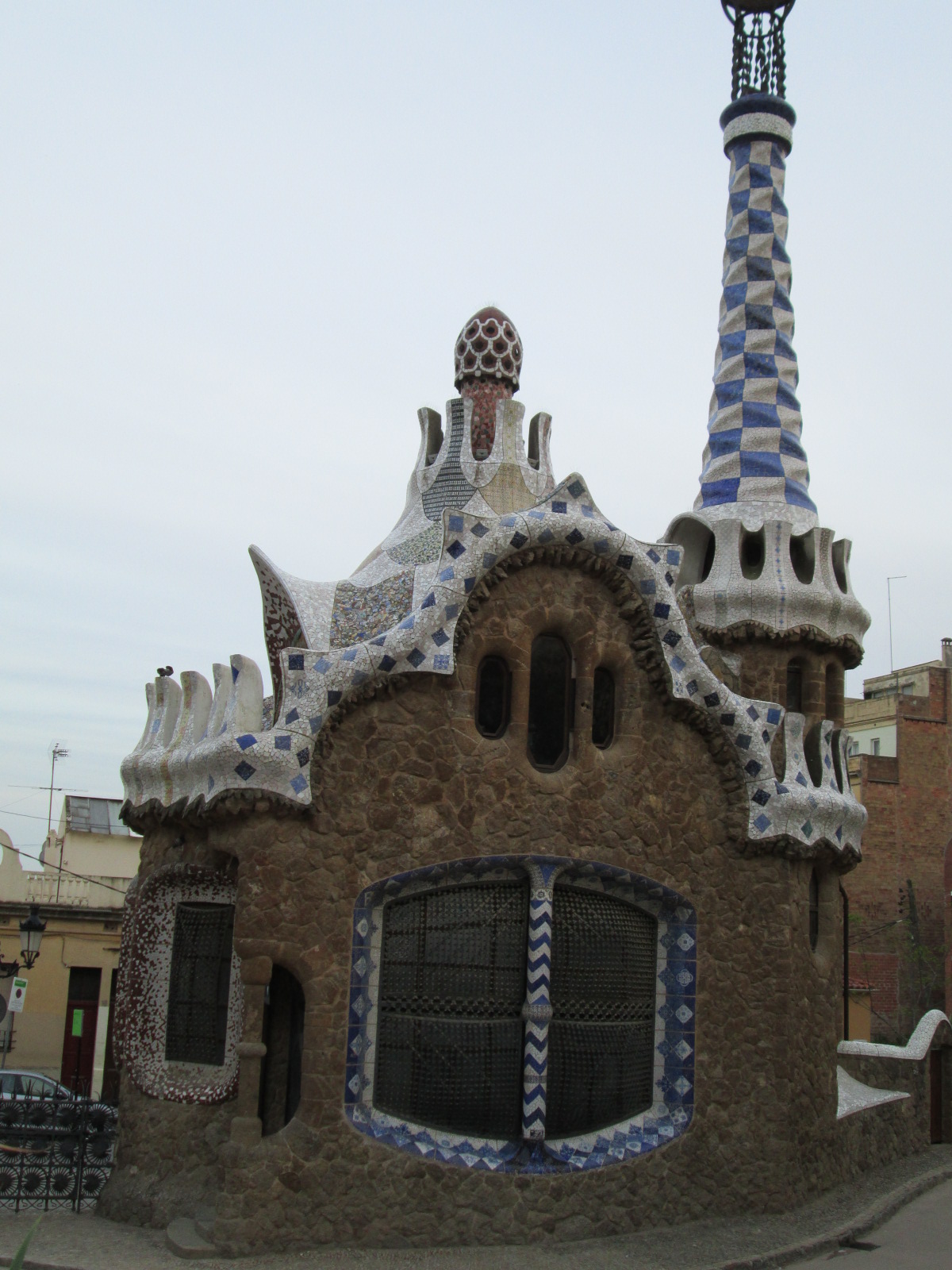
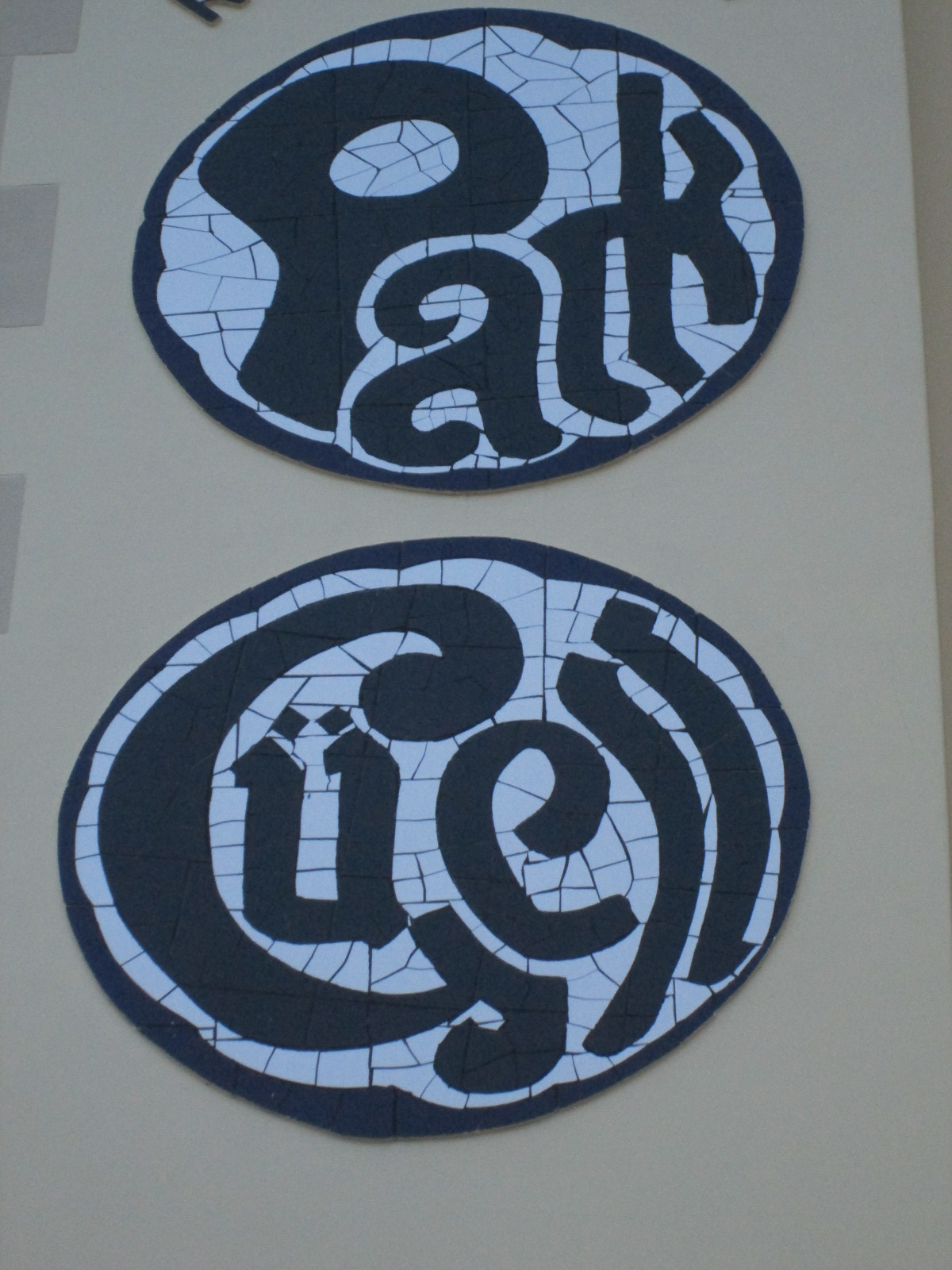
AKA. It was a travel day. After arriving at our destination of Barcelona, we had just enough daylight to spend traipsing around Parc Güell. It originated as a commercial housing project, founded by the Count Eusebi Güell. Inspired by the  English garden city movement, the intention was to exploit the fresh air and capitalize on the beautiful views by providing 60 triangular lots of luxury houses.
2013-04-16 13.32.112013-04-16 13.17.47


However, only two houses were eventually built, and although Gaudi is associated with these, that is far from true. Gaudi did, however, live in the park from 1906 to 1926, purchasing the remaining vacant lot at the count’s suggestion. It now houses the  Gaudi House Museum.

A big part of the design, incorporates  a slew of mosaic tiling.

2013-04-16 13.16.202013-04-16 12.10.40

Obviously, we didn’t accomplish as much as we usually do, due to my jam-packed schedule planning. Nonetheless, it was relaxing to just take a quiet, no schedule, breather day.

2013-04-16 13.19.082013-04-16 12.45.47


Travel: Picasso’s Guernica

After being incredibly moved by observing the clear faith humans can maintain despite their hardships, we decided to enjoy the rest of our afternoon taking a leisurely stroll through the Parque del Buen Retiro, it is quite reminiscent of New York City’s Central Park.

Here are some highlights:

Palacio de Cristal

Palacio de Cristal

Monument to King Alfonso XII

Monument to King Alfonso XII

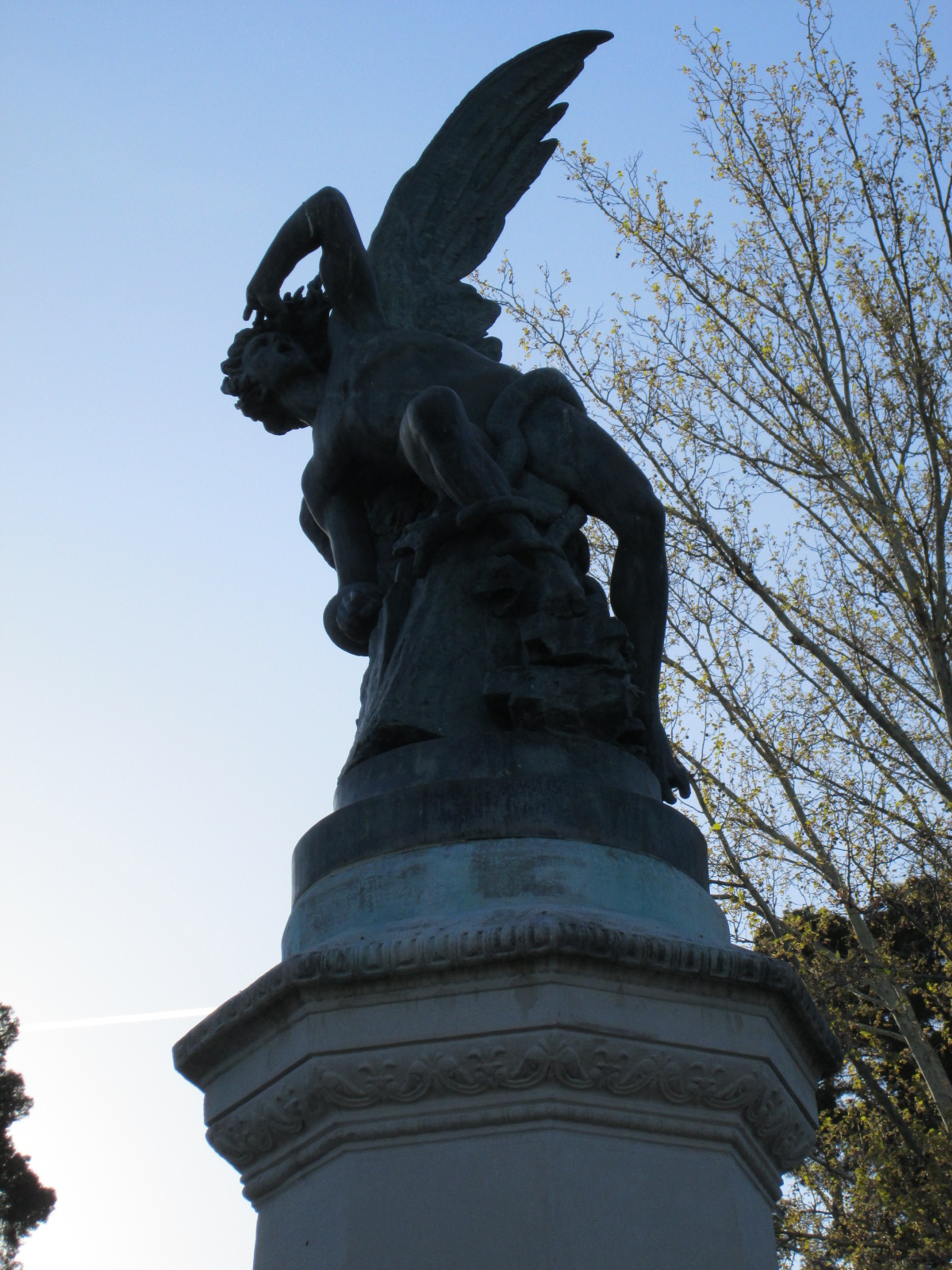
El Angel Caído

El Angel Caído

The highlight of our night included dropping by the Rena Sofia Museum. It was particularly economical because it happened to be free entry night. 😛 Our primary motivation was to bear witness to Pablo Picasso‘s infamous Guernica. The republican government commissioned Picasso for this piece to express the struggles of the the spanish during the  Spanish Civil War at the Paris International Exposition (1937), despite the official theme. It was meant to be used as a venue for propaganda to illustrate the nation’s suffering.

Guernica

Guernica (1937)

For months he struggled with inspiration for his canvas, then, on April 26, 1937, the town of Guernica was bombed. This was a direct order from Colonel Wolfram von Richthofen, and the German Condor Legion‘s warplanes served the hit. Hitler was lending support to the Nationalist’s during this period, and the Civil War provided a venue for the nazi’s to test their new weaponry.

At the time of the bombing, the primary population consisted of women and children, as the men were away fighting. If you gaze at it in thought, it is easier to see the expressions of pain and protest. depicted on the faces of the bull, the horse, and the woman. The black, gray, and white colors were deliberately selected to reflect the somber mood of the event while simultaneously expressing chaos. A broken sword lies on the bottom, symbolizing defeat.

I also enjoyed discovering some other painters’ that I had touched on before, but hadn’t had a chance to further explore their work.

A World (1937)

Santos Torroella – A World (1937)

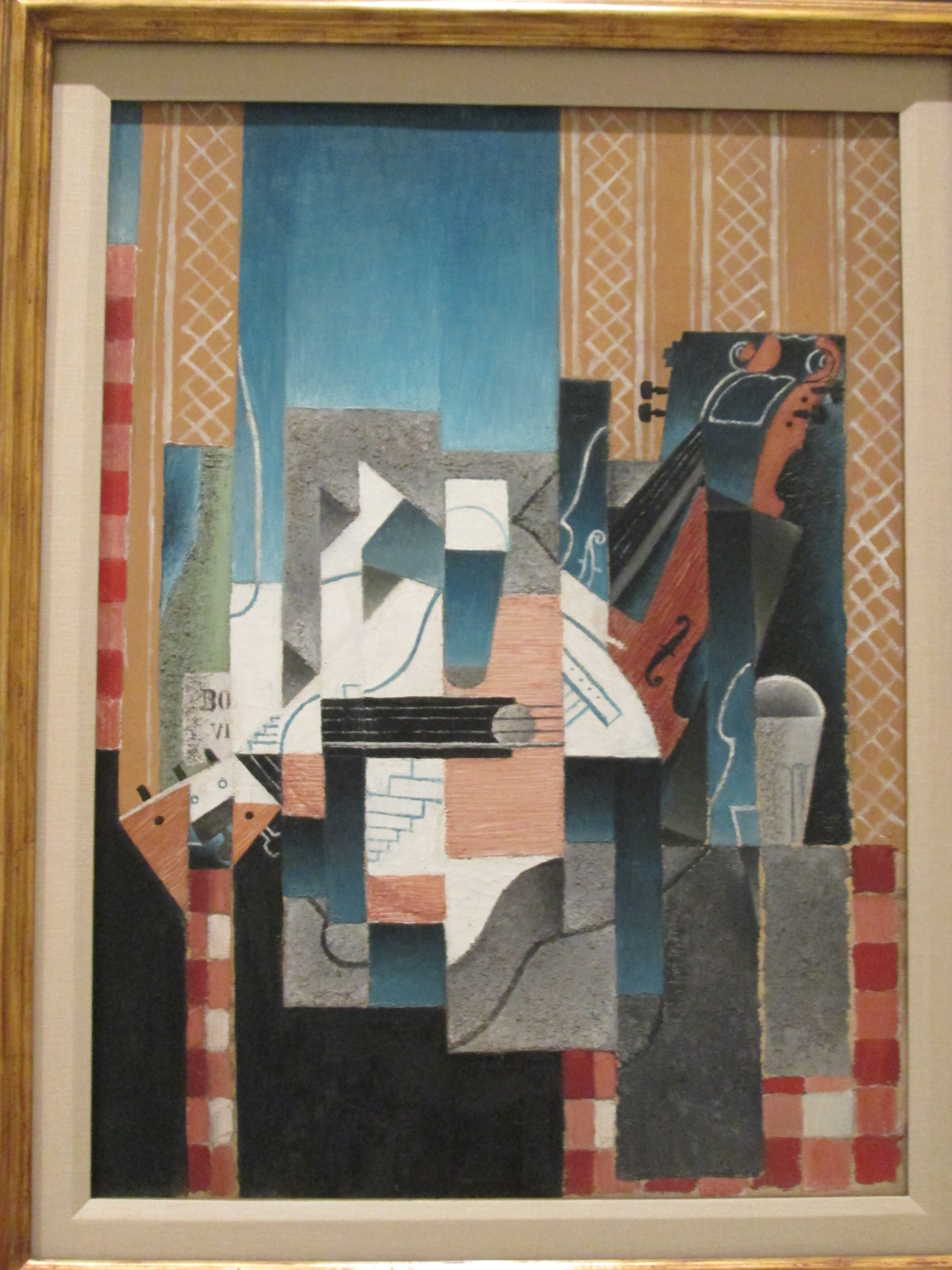
Violin and Guitar (1913)

Juan Gris – Violin and Guitar (1913)


I’m not an art expert by any means, I am merely an aficionado that enjoys how a single picture or panting can express deep-seated emotion without any words. What are your thoughts on art? Who is your favorite artist? What is your favorite style?

Next Newer Entries