Travel: Roman Ingenuity

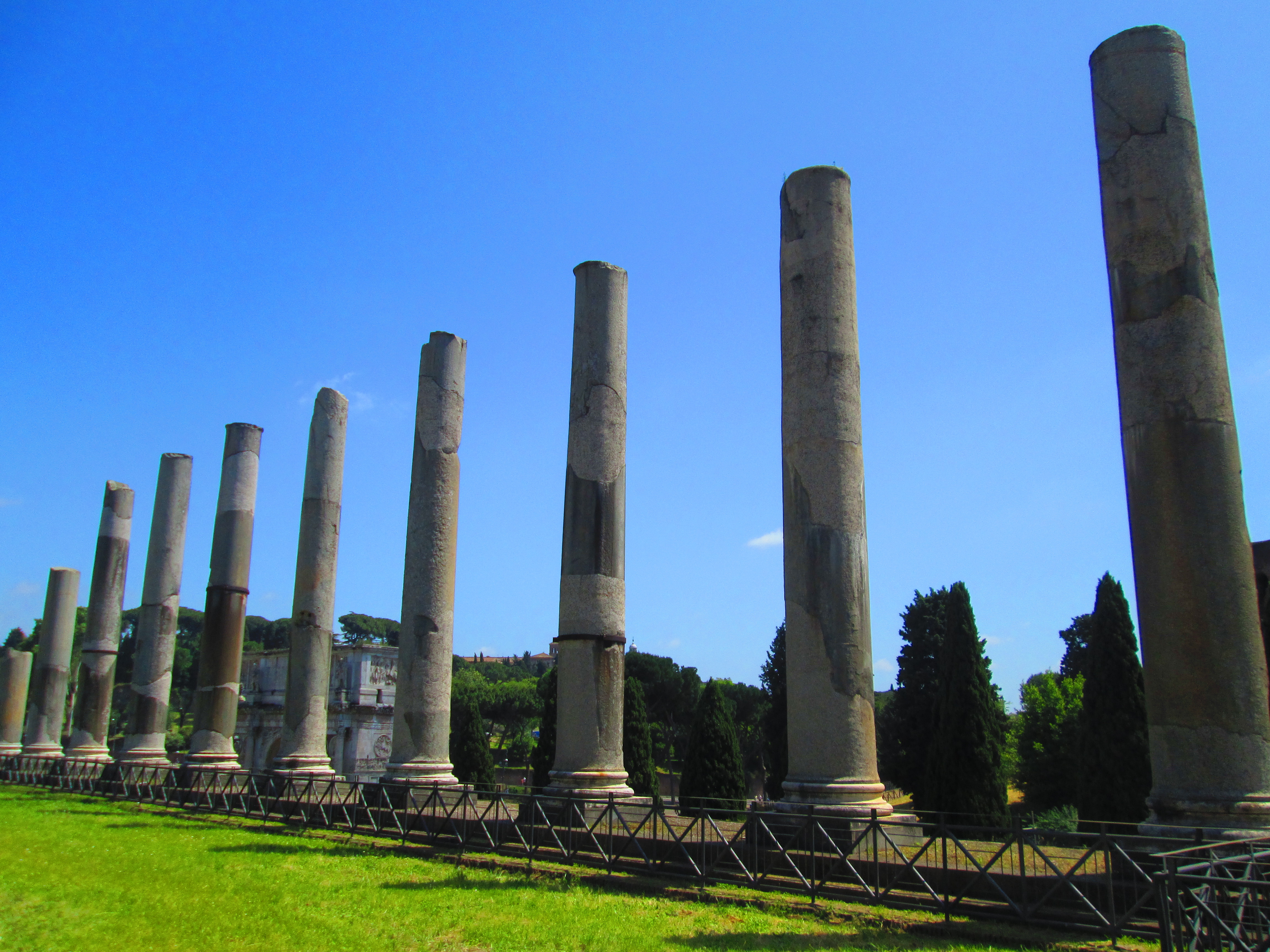
I suppose I could have visited these vestiges of Roman Power earlier on during my stay in Rome, but those days were fraught with cloudy skies and doubtful rain. The scenery and the nobility of these shrewdly crafted sprawling complexes is best observed by admiring their height against the deep, blue sky, and pondering the shadows they leave behind. Still standing 2 Millenia later, the longevity of these structures are a testament to the Roman Empire‘s influence and power.

2013-06-02 04.41.44

The word awe-inspiring has certainly been used by me more times on this trip than I can count. In this case, I feel that it is well deserved, although my tender feet may not acknowledge this compliment since the square area that was traipsed across tested their limits.

As you can imagine, the lines to get into these archaeological ruins tend to be lengthy, I ventured there with a girl who was staying at the same hostel as me, unfortunately, it is at the lines that we split up. I had invested in the Roma Card, a visitor pass that allowed me to bypass the lines, and I was simply not eager to bide my time with her.

My first stop was the Roman Forum.
2013-06-02 07.44.23

This complex was located in the center of the city and houses the important government buildings of this ancient civilization. It was the main social environment for its citizens, a square for public speeches, criminal trials, triumphal processions and elections. The venue was used for gladiatorial matches and was the nucleus for the commercial affairs of the city.

2013-06-02 05.49.08

I literally lost more than half my day here! There are so many towering structures and secret little niches that are delicately foiled in bright green moss. It’s definitely not an area that you can rush through, because smelling the air, and envisioning the daily lives of Roman Citizens is a must.  Believe me, my feet were absolutely KILLING me by the end of it, but I just couldn’t bring myself to rush through the subtle nuances of heritage that are exuded with each step. (I think that is a grammatically correct sentence…)

Travel: Roman Art

After exploring the depths of Rome, I ventured onwards to Trajan’s Forum. This Fora was the last Imperial fora to be built, and was overseen by Apollodorus of Damascus. Built between 106 to 112 AD, it was constructed from the spoils of war amassed from the conquest of Dacia.

2013-05-31 05.49.582013-05-31 05.49.01

The most notable icon of this sprawling complex is Trajan’s Column, a triumphal tribute commemorating Trajan‘s victory during the Dacian Wars. Completely freestanding at 98 ft high (125 ft including the pedestal), the shaft is composed of a series of twenty 11 ft diameter colossal Carrara marble drums, each weighing  32 tons. It is most recognized for its spiral bas relief, at a total length of 625 ft, the frieze winds around 23 times, and depicts the epic wars of Romans Vs. Dacians. (I saw a miniature replica of this exact column wrought in gold in the museums of Vienna, Austria).

2013-05-31 08.00.162013-05-31 08.00.59

Taking another breather (after all, one can only ponder the historical significance or art and architecture for so long), I stopped by to admire the Monument to Victor Emmanuel, the first king of a unified Italy.  This monument is also home to the Tomb of the Unknown Soldier, a sobering reminder about the tragic losses of war.

2013-05-31 08.05.512013-05-31 08.18.00

Around the corner I decided to take a leisurely stroll through a park. This area was formerly the Circus Maximus, the first and largest stadium used primarily for Ludi in Ancient Rome. Ludi are public games directly connected to Roman Religious Festivals, and were sponsored by noble Romans or the State for the benefit of the people and the gods.

2013-05-31 08.41.50

The last stop of my day was the Vatican Museum After Dark. Despite not having a full day, I was so proud that I discovered these tickets as it allowed me to enter at an allocated time and avoid the massive lines that tend to form during the day.

Sistine_Roof

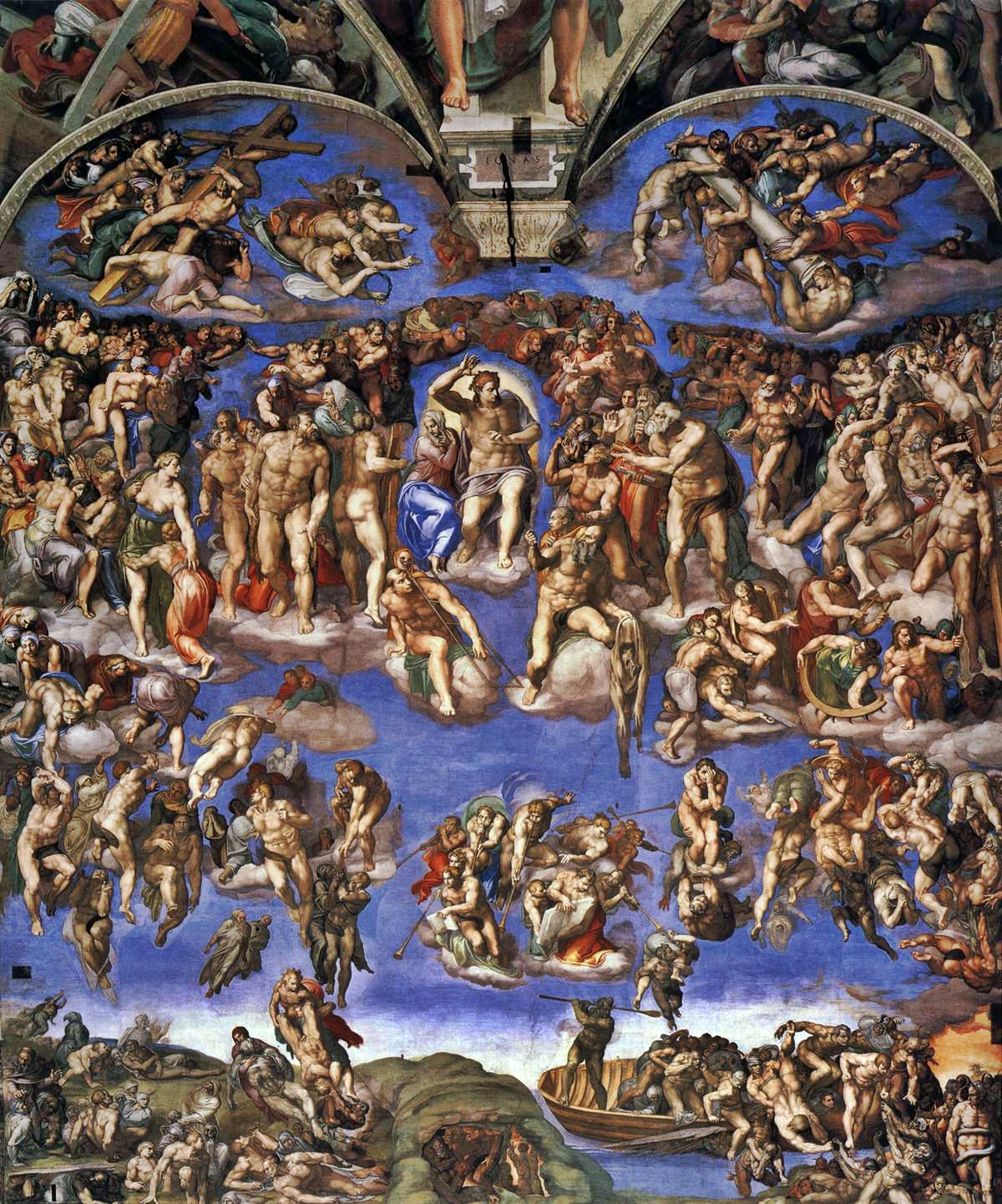
I can’t even explain the overflowing stores of art that burst from the confines of each room. I was completely overwhelmed by the detail of the marble sculptures, the intricacies of the woven tapestries, and the breathtaking wonder that overtakes you when mortal eyes lay their gaze on the beauty of the Sistine Chapel.

Sistine_Wall

Do you not feel humble when you see the masterpieces of renowned artists that consistently challenged the constraints of art? Are you not jealous of the skill that they were blessed with? If you could have any artistic talent, what would it be, why?

Travel: Streets of Napoli

2013-05-27 07.40.38

Right outside the San Lorenzo Maggiore is the Via San Gregorio Armeno a quaint street that has gained notoriety as the ‘Christmas Street.’ The shops lining this alley are overflowing with artistic takes of the traditional italian nativity. Even today, the setting of a presipio is more important in Napoli Culture than a christmas tree.

Much emphasis is based on providing a thorough and comprehensive Nativity Scene that not only presents Christ in his manger along with his doting parents and the wise men, but also illustrate the everyday life of the population.  Scenes include the preparation of a meal, a bartender at work, or even a craftsman honing their art.

It then took me a few wrong turns to locate the Capella San Severo a building dating from 1590 when a private chapel was built for John Francesco di Sangro, Duke of Torremaggiore after recovering from a serious illness. It houses a large collection of sculptures that were crafted by some of the leading Italian artists of the 18th century.

Veiled Christ

Veiled Christ

Although there are three emblematic structures that express the  emphasis of decorating in the  late-Baroque style, two particularly caught my eye. They are composed of a marble-like substance developed, partially or solely, by Raimondo. In the words of the all-knowing Wikipedia:

VeiledMary

Veiled Truth

“The Veiled Truth (Pudizia, also called Modesty or Chastity) was completed by Antonio Corradini in 1750 as a tomb monument dedicated to Cecilia Gaetani dell’Aquila d’Aragona, mother of Raimondo. A Christ Veiled under a Shroud (also called Veiled Christ), shows the influence of the veiled Modesty, and was completed in 1753 by Giuseppe Sanmartino (1720-1793).”


2013-05-27 08.34.26


At this point, my lunch was much overdue, and I stopped for some traditional Napoli Pizza. It is in this city after all, where this classic italian flat bread was invented.


The Associazione Vera Pizza Napoletana maintains strict guidelines concerning what can be characterized as “Genuine Neapolitan Pizza Dough.”Ingredients are as follows: wheat flour (type 0 or 00, or a mixture of both), natural Neapolitan yeast or brewer’s yeast, salt and water.”

2013-05-27 09.46.37

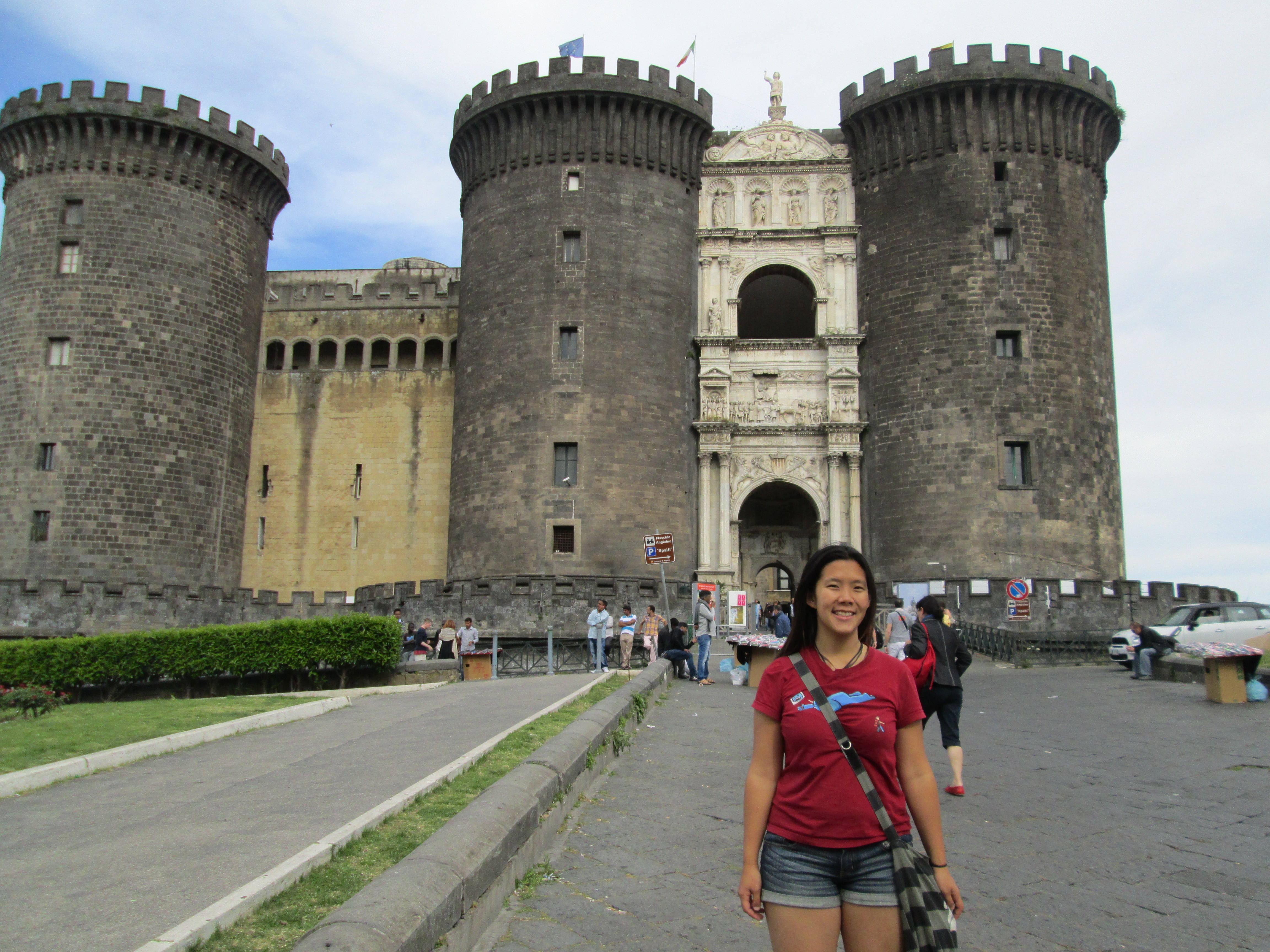
Castel Nuovo

2013-05-27 10.36.29

Palazzo Real

After a thoroughly satisfying eating experience, I took a leisurely stroll down Via Toledo, enjoying some spectacular views of some eye-catching architecture. I spent the last few hours of my day strolling along the port, pausing to explore the three castles that dominate the Napoli coast (Castel Nuovo, Palazzo Reale, & Castel Sant’Elmo), and hike up a hill.

2013-05-27 12.47.43

Castel Sant’Elmo

2013-05-27 12.32.02

Travel: Munich (Part II)

I apologize. At this point in my travels, the wanderlust has worn off and a sense of ennui has caught up with me. Hence, today was a lazy, hazy day. I had little motivation to cram as many events into my day as possible, therefore I slept in late, and meandered through town at a leisurely pace.

2013-05-19 04.46.13

First stop entailed a short visit to the Cuvilliés Theatre, which lies within the aforementioned Residenz Complex. It was ordered by Maximillian III Joseph outside the palace after a fire destored the previous St. George’s Hall. Construction spanned from 1751 to 1753 according to the design of François de Cuvilliés in rococo style.

If you look closely at the pictures from the Residenz Interior, you will see several rooms also exhibiting the Rococo Style. It is in this theater that Mozart’s Idomeneo premiered in 1781 and Carl Maria von Weber’s Abu Hassan in 1811. The theatre was intelligently meant to be multifunctional, and this was achieved via a floor that could be lowered or raised for ballroom festivities.

Lacking in energy, despite accomplishing little, I gave myself a reprieve by immersing myself in some casual reading and a glass of hot Chai (My favorite milky tea). Finally, summoning the impetus to move, I ventured to visit, now don’t be surprise, another palace.

2013-05-19 17.56.02

The Nymphenburg Palace was the main summer residence of the rulers of Bavaria designed in the Baroque style. The visionary was the italian architect Agostino Barelli, who was comissioned by the couple Ferdinand Maria and Henriette Adelaide of Savoy in 1664. It is within these walls that King Ludwig II was born in 1845, as the great-grandon of King Max I Joseph.

2013-05-19 07.50.162013-05-19 08.32.15

While open to the public, the building continues to be home and chancery for the current Franz, Duke of Bavaria, who is head of the house of Wittelsbach. Jacobite, who trace the line of the British Monarchy through legal heirs of James II of England, he is the legitimate heir of the Stuart claims to the throne of Great Britain.

It is interesting to note however, that despite merely having a dukedom, this claim has not been actively pursued. I can’t say that I would have done the same in his place, albeit that as a ‘commoner’ I grew up with Disney Movies and imagined a happily ever after as a princess with a prince on a white horse to rescue her.

The Coach Museum:

2013-05-19 09.36.522013-05-19 09.49.44

The Porcelain Museum:

2013-05-19 10.17.532013-05-19 10.40.50

What are your thoughts on Monarchy? Democracy? I’m torn. While the medieival, monarchical period of history seems romantic, I also know that the power resulted in sever abuse and neglect of the general population. This doesn’t mean, however, that certain monarchs wielded economic and political decisions for the benefit of his people, in contrast to selfish gain by exploiting his subjects.

Travel: Vienna Churches

Despite my growing impatience for the medley of iconic religious frescoes, alters, chapels, and biblical interpretations, I continue to struggle with avoiding the visitation of churches. It is not hard to deny how intrinsically the tie into european culture; the strength of the populations devotions has deep roots with the development of heritage. As such, the following two are presented briefly.

2013-05-14 12.09.30

St. Steven’s Cathedral is an icon of Vienna, and dominates the shopping streets of the city center. It is  the mother church of the Roman Catholic Archdiocese, and the seat of the current Arch Bishop, Christoph Cardinal Schönborn. The site stands on the ruins of two earlier churches, the former dating from 1147. As a symbol of the city, it has borne witness to vital moments of Austrian History. The tomb houses the Bishops, Provosts, and Ducal crypts. Furthermore, it was only spared damage from the World War II bombings, when Captain Klinkicht disregarded orders from the city commandant to leave it in just debris and ashes.

2013-05-15 09.28.14

Interesting Fact: “The composer Ludwig van Beethoven discovered the totality of his deafness when he saw birds flying out of the bell tower as a result of the bells’ tolling but could not hear the bells. ”

The roof is multicolored, and despite its exterior having been marred black by pollution overtime, significant restoration projects have helped it regain its glossy tiled and white facade.

The Interior is a rainbow of colors that interplay with each other along the Gothic/Romanesque pillars, high spanning nave, and mass of windows. It is a current art feature, and provides a creative, modern-day take on the limestone cathedral.

2013-05-15 08.43.352013-05-15 09.38.48

I also stopped by to visit St. Peter’s Church. It lies but a few streets away, but the two couldn’t be more different. This other one reflects the Baroque style, and maintained by the priests of the Opus Dei. Despite having origins dating from the early middle ages, the current building was inspired by St. Peter’s Basilica in Rome, with construction beginning in 1701. The interior golden stucco is particularly eye-catching given how solemn and dark the interior is, due to the current scaffolding that masks the exterior.

2013-05-14 11.44.582013-05-14 11.45.31

2013-05-14 11.39.14

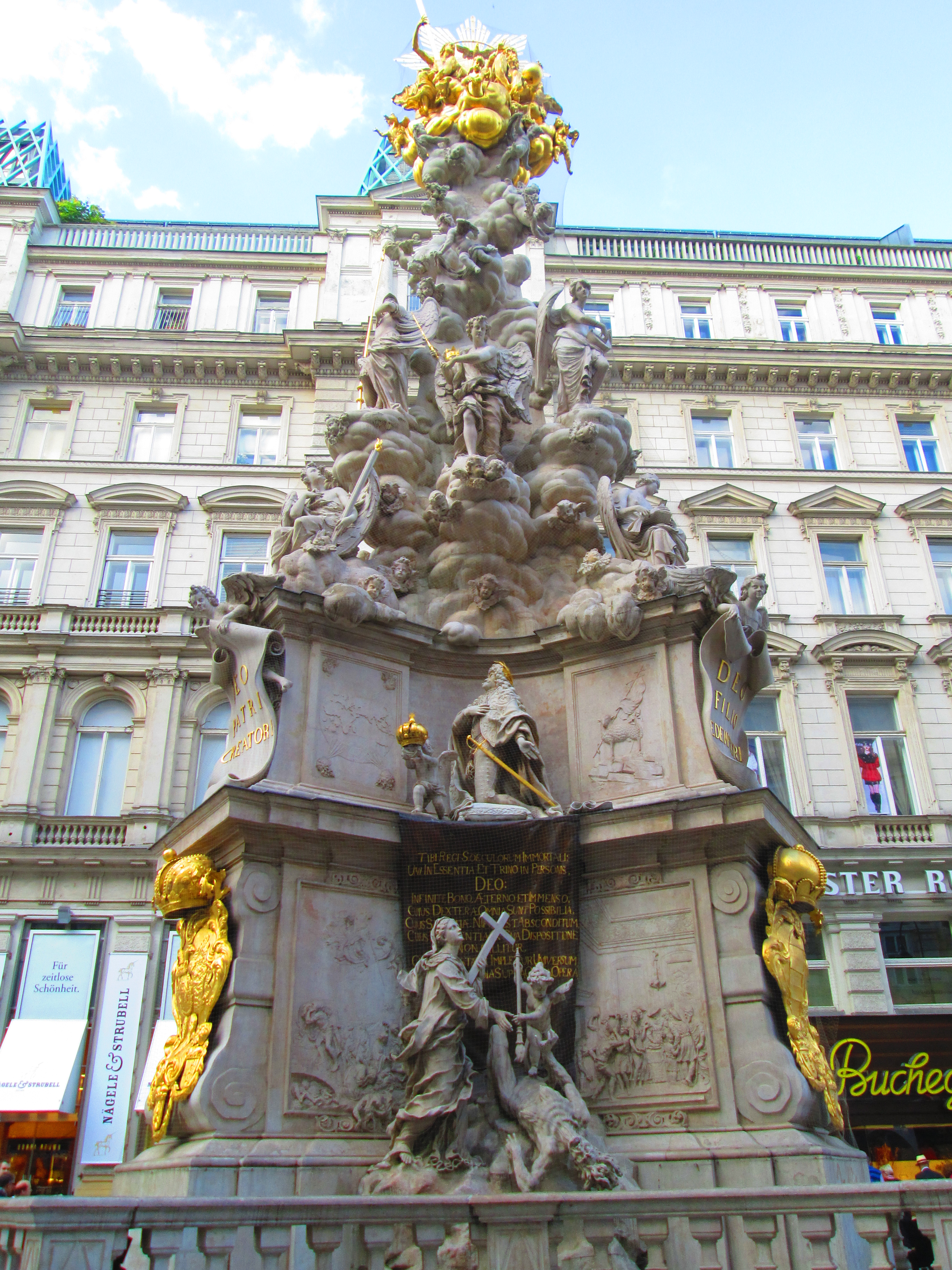
The infamous Plague Column also lies within mere spitting distance. It was designed, and installed to fulfill a vow made by  Emperor Leopold I in 1679, when he fled the plague epidemics, saying that if it would end, a mercy column would be erected in remembrance.

Travel: Hofburg Imperial Palace Complex

Within the Hofburg complex, there is a dearth of iconic buildings that provide cultural insights into classical art and Vienna culture. Despite a limited amount of time, I sought ought two of these, namely the Albertina Museum and the Spanish Riding School.

The Albertina Museum houses one of the largest and most vital print rooms in the world. The collection numbers at 65,000 drawings and 1million old master prints, including, but not limited to graphic works, photographs, and architectural drawings. The building was erected on one of the last remaining fortifications, the Augustian Bastion. It lies on the original site of the Hofbauamt, which was built in the second half of the 17th century.

2013-05-15 11.28.18

Monet – The Water Lily Pond

2013-05-15 11.34.31

Henri-Edmund Cross – Les Petites Montagnes Mauresques

I readily enjoyed the large collection of impressionist painting which was comprised of the works of Monet, Van Gogh, and Cezanne. This period of artistic expression is by far one of my favorites. Impressionism uses blatant, yet subtle thin brush strokes, and emphasizes a picture of a moment. Each painting is incredibly textured and you can feel the hardened ridges of oil paint on the canvas, and the movement behind the artist’s bold, aggressive composition. Ordinary subjects are made extraordinary with the play of light and shadows.

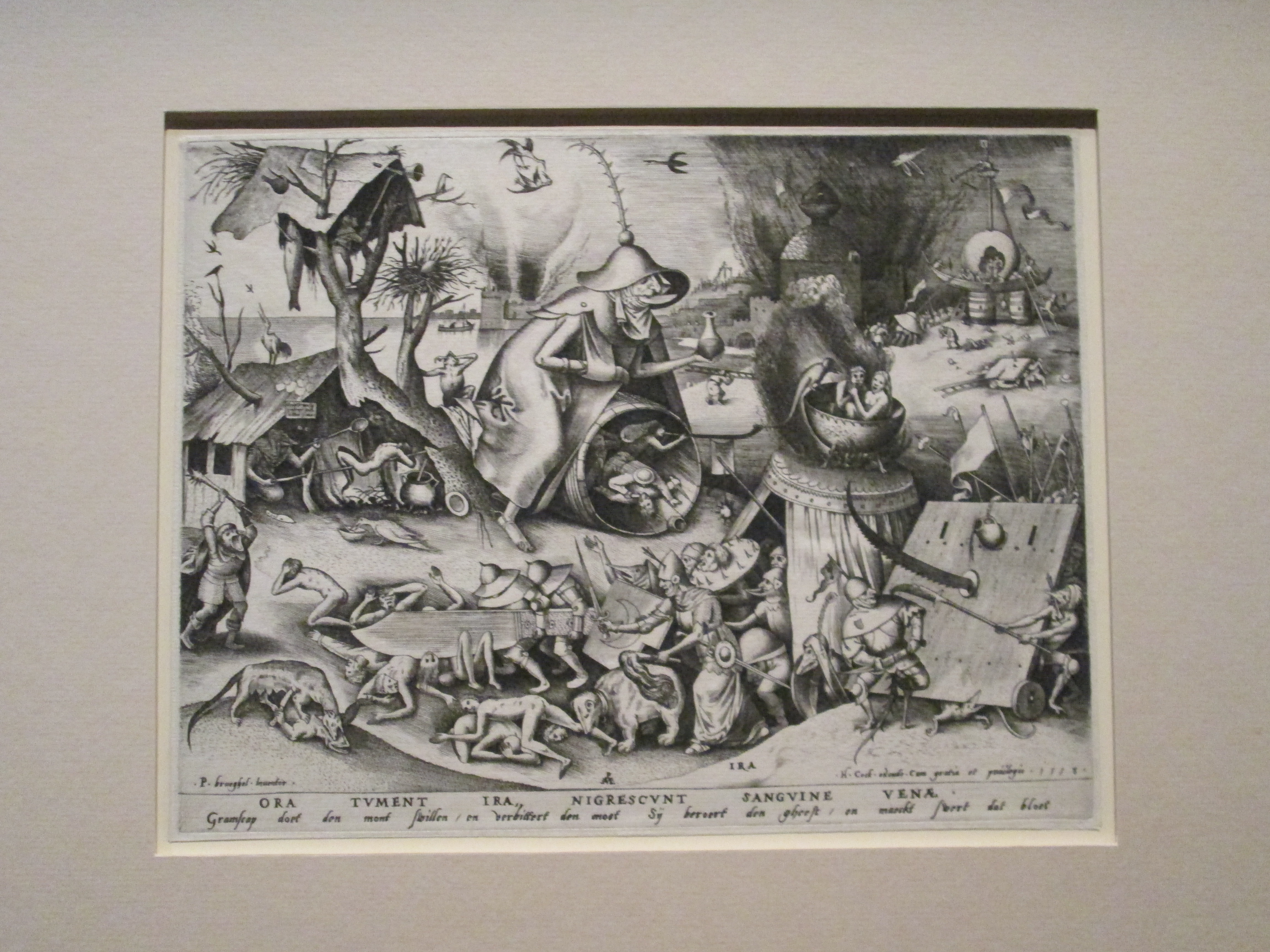
Prints are pretty self-explanatory. 😛 Detailed engravings utilized such techniques as woodcuts, and etching. These were then printed on paper, and often expressed vital artistic, historical, or social motifs of the current period. My favorite collection included a set that depicted the artist’s take, namely  Pieter Bruegel Der Altere, on the seven deadly sins. Can you guess which print represents which evil?

2013-05-15 13.00.062013-05-15 13.00.192013-05-15 13.00.452013-05-15 13.01.192013-05-15 13.01.362013-05-15 13.01.552013-05-15 13.02.09

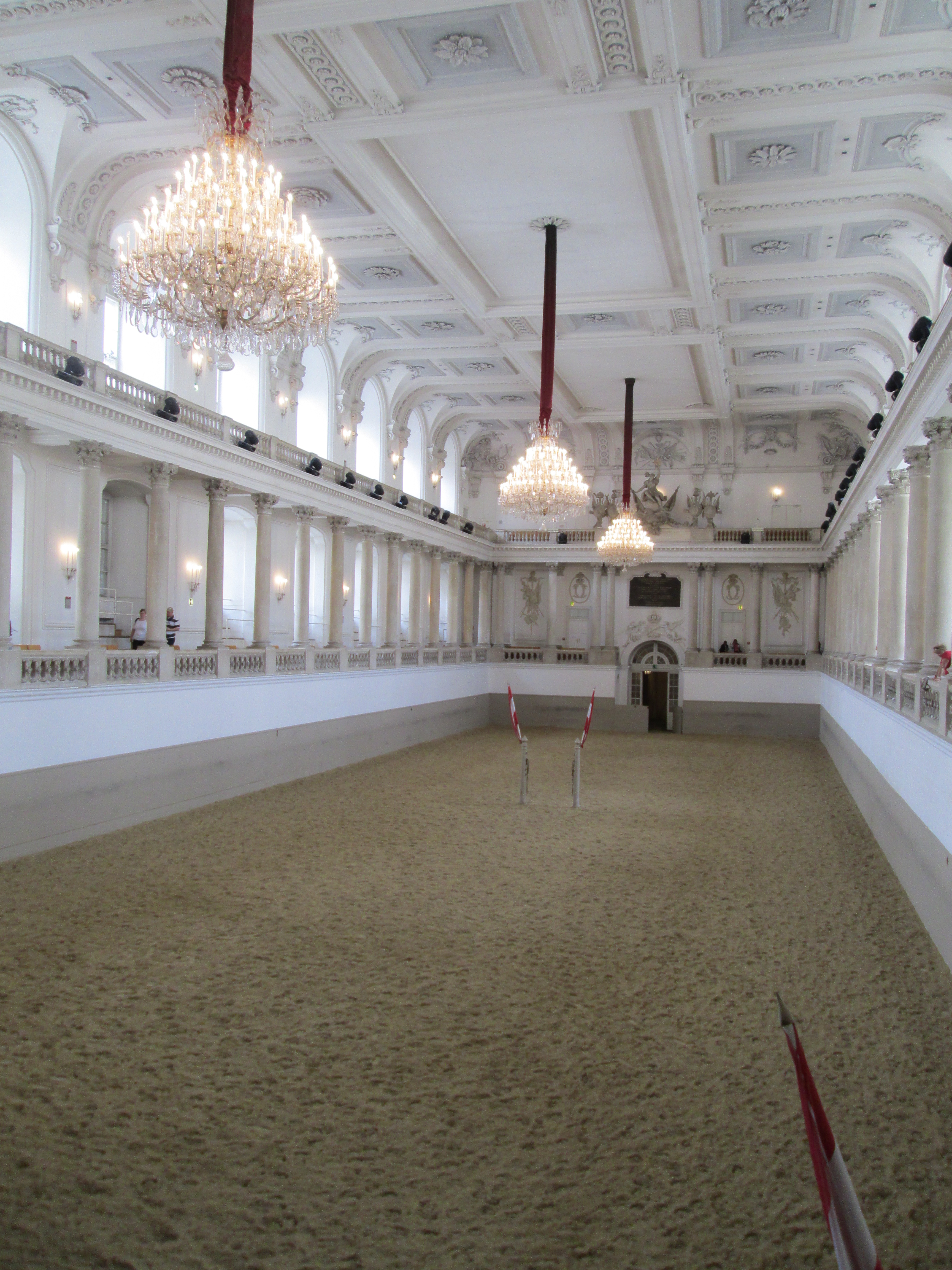
Unfortunately, due to my schedule, I was not present in Vienna during a show of the infamous Lipizzaners. As a condolence prize, I attended one of their daily practices instead, and observed how the students, and their mounts achieve harmonious precision. It was far duller than I planned :/. The majority of the two hours involved a trio of riders, exercising a rotating trio of horses in choreographed steps, and typical gaits, around the floor. I kept thinking that some more coordinating and fancy tricks would be put into action, but this was far from the case. Two hours later, I was only using half my attention, and multi-tasking via my Kindle.

2013-05-16 05.29.172013-05-16 05.39.45

The highlight however, was watching the horses being led by the groomsmen from the stables into the ring. They are an absolutely gorgeous and majestic breed that date from the 800 A.D. It emerged as a powerful, yet agile horse in the 16th century, and became increasingly fashionable for the emerging prevalence of riding schools. In 1920, the Piper Federal Stud was selected as the main stud for the Vienna horses. Breeding is thus very selective, and only proven stallions can stud with mares that have passed rigorous performance testing.

I absolutely LOVE the grace and power you can sense within these majestic beats. It is hard to miss the noble air with which they hold themselves. A long time ago, it was my childhood dream to be a horse jockey or own a dude ranch, living the simple life in the mountains of Montana.

Travel: The Madonna

Lastly, one cannot emerge from the gorgeous city of Paris without a visit to the Louvre, the infamous resting place of Leonardo Da Vinci’s mysterious Mona Lisa.

The Mona Lisa.

The style in which he painted her mouth is beguiling; it is this ambiguity that has continued to fascinate art historians to this day. Furthermore, despite widespread speculation as to the namesake of the individual in the picture, if Da Vinci painted his mother, or if he used his own likeness as a model.

Don’t discount the other amazing works of art housed in this museum though; a large and diverse collection of other ethnic arts is available to drown your eyes in! We detoured from the ‘Madonna’ to revel in the artistry of other cultures. I’ve included just a glimpse of what we covered.

Islamic Art

2013-04-26 13.34.05

Egyptian Art: A Mummy!

And with that, I bid Au Revoir to Paris. My mother’s vacation was at an end and she returned home to continue with her job. On the other hand, I continued my journey through Europe by taking a  ‘sleeper’ train for the first time to visit a good friend in Hamburg, Germany!

It was fascinating learning about the cultures of everyone sharing the sleeper cabin with me; it ended up being a minor United Nations of sorts, with the countries of Chechnya, Russia, Finland, Afghanistan, and Romania being present. Unfortunately, the Chechnyan did not speak English and was unable to partake in our discourse.

2013-04-24 21.45.472013-04-27 12.51.03

Topics of conversation ranged from Global Warming, to the International Economy, and then reaching home for everyone as we started to discuss the plagues of unemployment, government corruption, and the struggles of the lower classes in our respective countries. It was a truly educational experience that served to broaden my mind on the opinions of others with respect to US foreign policy, and the challenges of politics within the borders of nations trying to find their footholds under more democratic oriented leadership.

Travel: Classic Paris Sites

I promise, this is the last church that I visited in France! Of course, it is the infamous Notre Dame; the building that inspired Victor Hugo’s classic novel with a hunchback as the protagonist who watched medieval Paris life occur from afar. The sprawling gothic architecture is unique, and it is not difficult to revel in the stark contrast these dark creatures present against the sunny skyline.

2013-04-25 07.24.39

The one flaw in climbing the tours however, was how incredibly jam-packed it was. There was little to no room to maneuver, and the entire walkway was enclosed within a 3” x 3” wire mesh. I can’t even imagine partaking in this during the summer!


While I understand the safety precautions, it took some strategic planning to get good photographs devoid of this interference.

2013-04-25 05.19.272013-04-25 05.21.452013-04-25 05.57.342013-04-25 05.55.37

The statues also reminded me of a classic Warner Brothers cartoon called the Gargoyles. It was ‘back in the days’ of my youth, and I’m sure it is no longer a recognizable cartoon or brand. I enjoyed it though! It told the story of good versus evil gargoyles that could only continue their battle within the confines of darkness. If sunrise hit, they returned to their stony state.

2013-04-25 12.31.02

We then headed to the Orsay Museum; it has a diverse collection of impressionist paintings, and documents the progression of this art. Once again, no photos allowed. Some of my favorite artists were on display, such as Van Gogh, Manet, Monet, and Cezanne.

2013-04-25 13.36.55


As dusk approached, we decided to breath in the crisp Paris air, and swing by the triumphal arch to witness the largest roundabout in the world. Interesting Fact: Insurance companies no longer debate claims when an accident occurs here, to save time and headaches they now just split the damage costs 50/50.

Strolling to the Eiffel Tower took longer than expected. Fortunately, we arrived just as the sun dipped below the horizon. This allowed for a large array of photographic shots documenting the vibrancy of the lights with respect to the darkening sky.

2013-04-25 14.28.56

(I almost lost mother in the crowd, she is about a head shorter than me and quite difficult to locate even in a supermarket)

Opting not to wait in line and pay the high lift prices, We managed to climb to the 2nd level platform (a LOT of stairs) and witness some breathtaking views of the city, and particularly the Champ de Mars at night.

2013-04-25 15.32.00

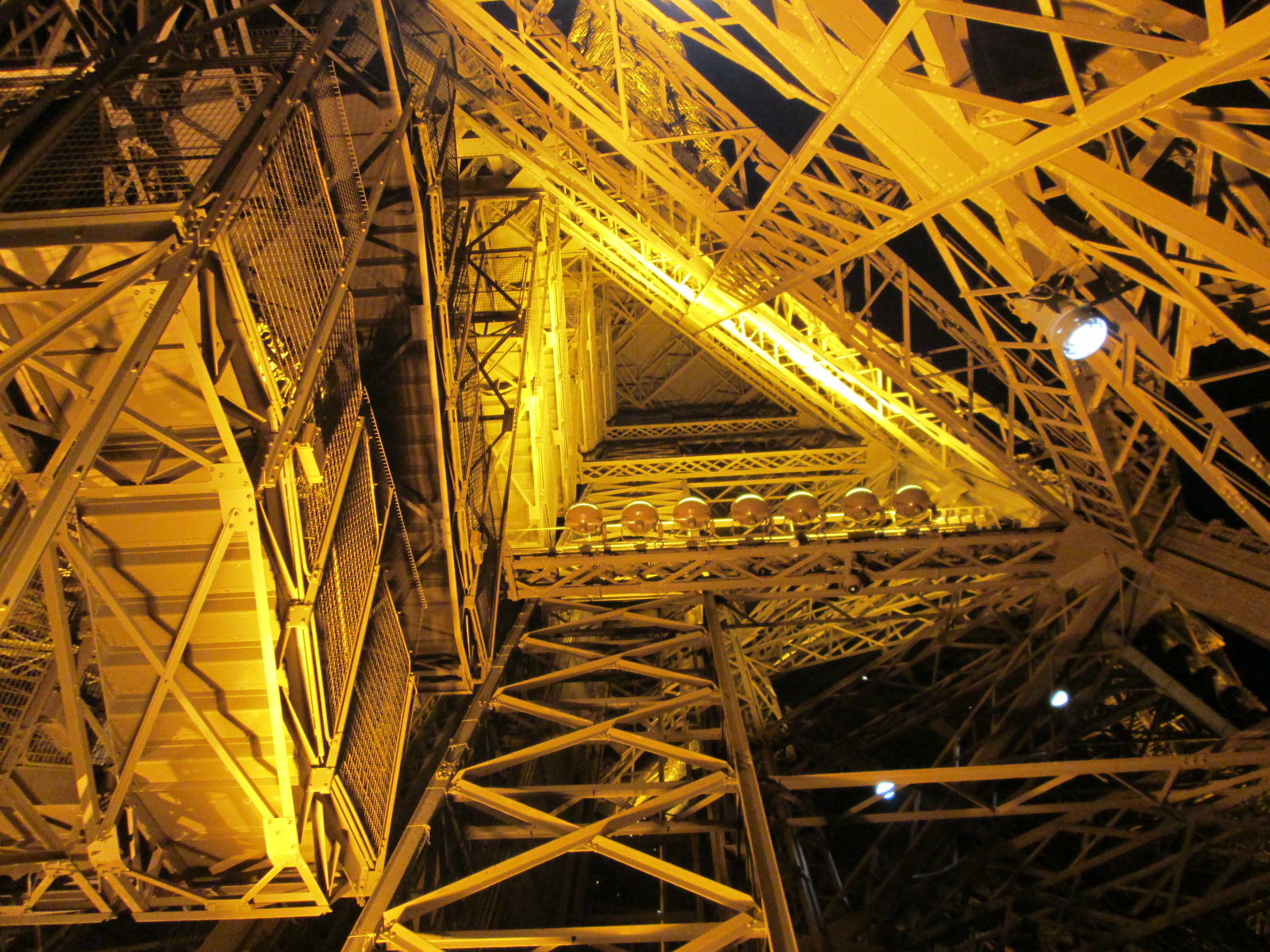
On the hike up, I took some time to have a nerd moment and admire the forethought required in the difficult connections. It’s interesting to consider the complexity of the geometry and how the designers engineered all the steel elements to puzzle together in just the right formation.

2013-04-25 14.53.382013-04-25 14.54.37

What comes to mind when you think of Paris? Have you been to any of these places? How have the inspired you?

Travel: Montjuic

I had originally planned to take a day trip to the Pyrenees Mountains in order to explore the smaller mountain villages and the ancient Monastery of Montserrat. However, taking a bus trip is generally unappetizing for my family given that we have ventured to China, the Southwestern United States, and Japan in this manner previously, and dislike the lack of freedom and spontaneity it results in. Additionally, I would love to hike from the border of Spain into the border of France, and I simply don’t have the time at this moment.

Miro

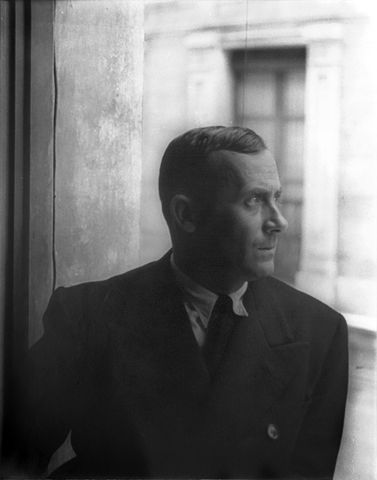
Taking a more leisurely day, we took the Funicular up to the Montjuic Park, where we perused the galleries of the Joan Miro Foundation, one of my mom’s admired artists. Admittedly, despite understanding the progression of his style, and how he sought to veer away from traditional practices, I still don’t quite comprehend his aesthetic.

Joan Miro is a multifaceted artist of Catalonian heritage he is known as being a painter, sculptor, and ceramicist born in Barcelona.

His work is best interpreted as Surrealism, a simplified style representative of the subconscious mind; It is childlike in form. This stemmed from his contempt for convention and his view that it supported a bourgeois society.

As usual, no pictures were allowed, it was quite an interesting showcase however.

2013-04-19 08.44.57

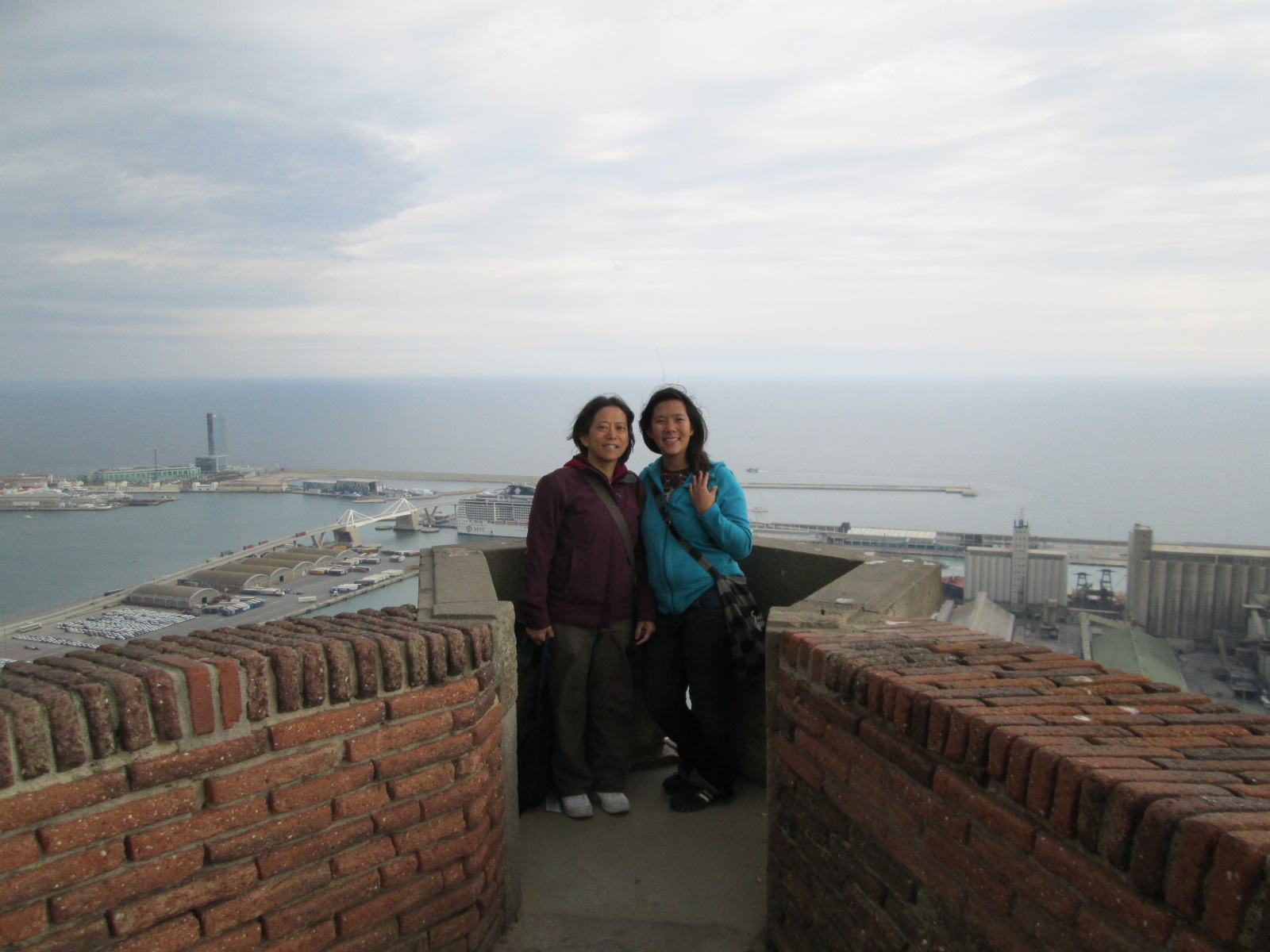
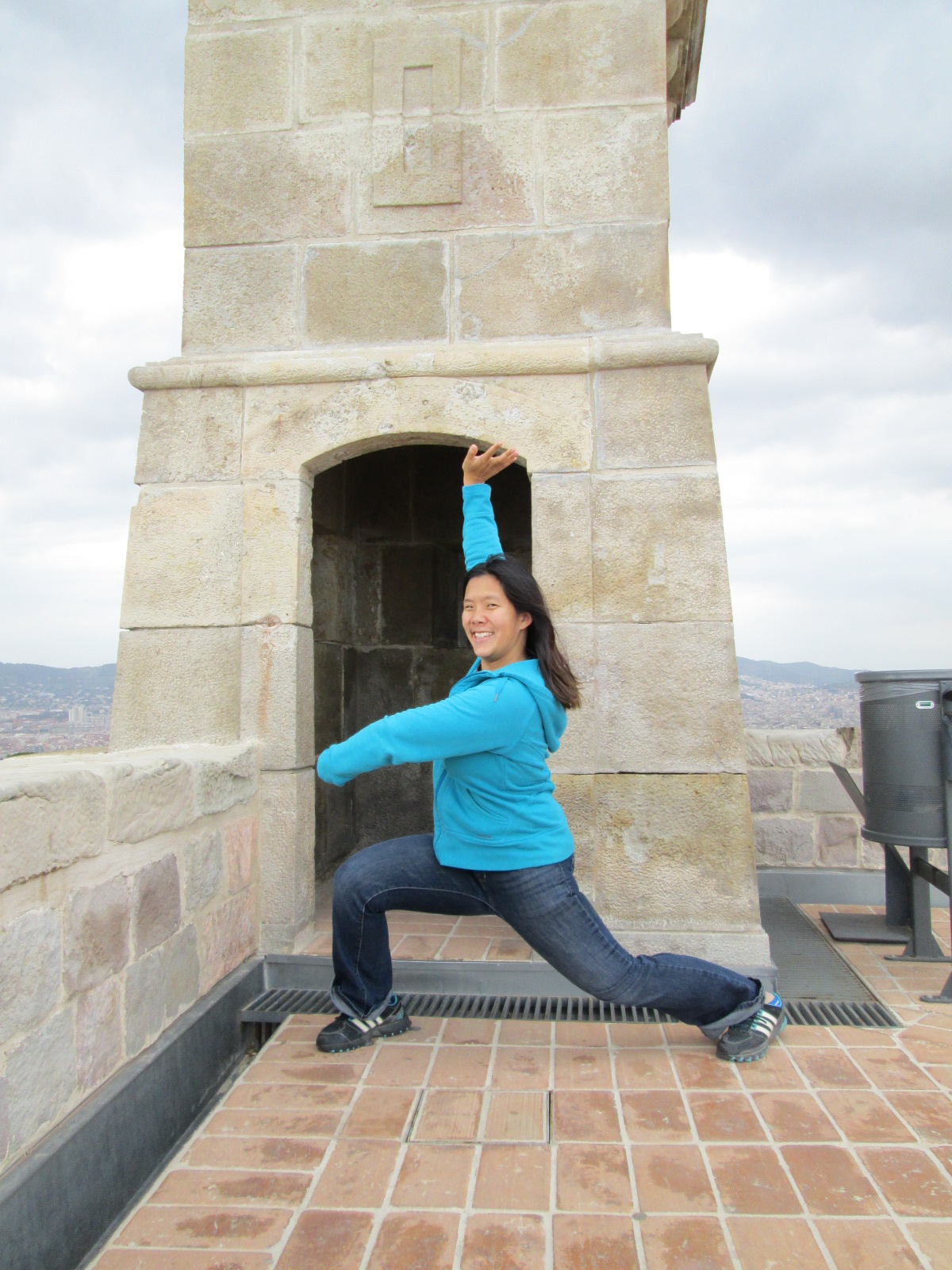
We then hopped a bus further up the ‘mountain’ to explore the ruins of Montjuic Castle, a fortress overlooking a cliff on the eastern side. It is a fortress that dates from the early 17th century. It was loyal to the Madrid Government and thereby shelled the city in 1842. The history of this military structure includes the use of it as a holding cell for political prisoners, and the numerous executions that occurred on sight. It is most popularly recognized for an 1897 incident known as Els processos de Montjuïc which prompted the execution of anarchist supporters leading to a repression of worker civil liberties. During the Spanish Civil War, both Nationalists and Republicans were executed there, each at the time when the site was held by their opponents. (Thanks Wikipedia, not much information was available on site).

2013-04-19 08.56.212013-04-19 08.54.45


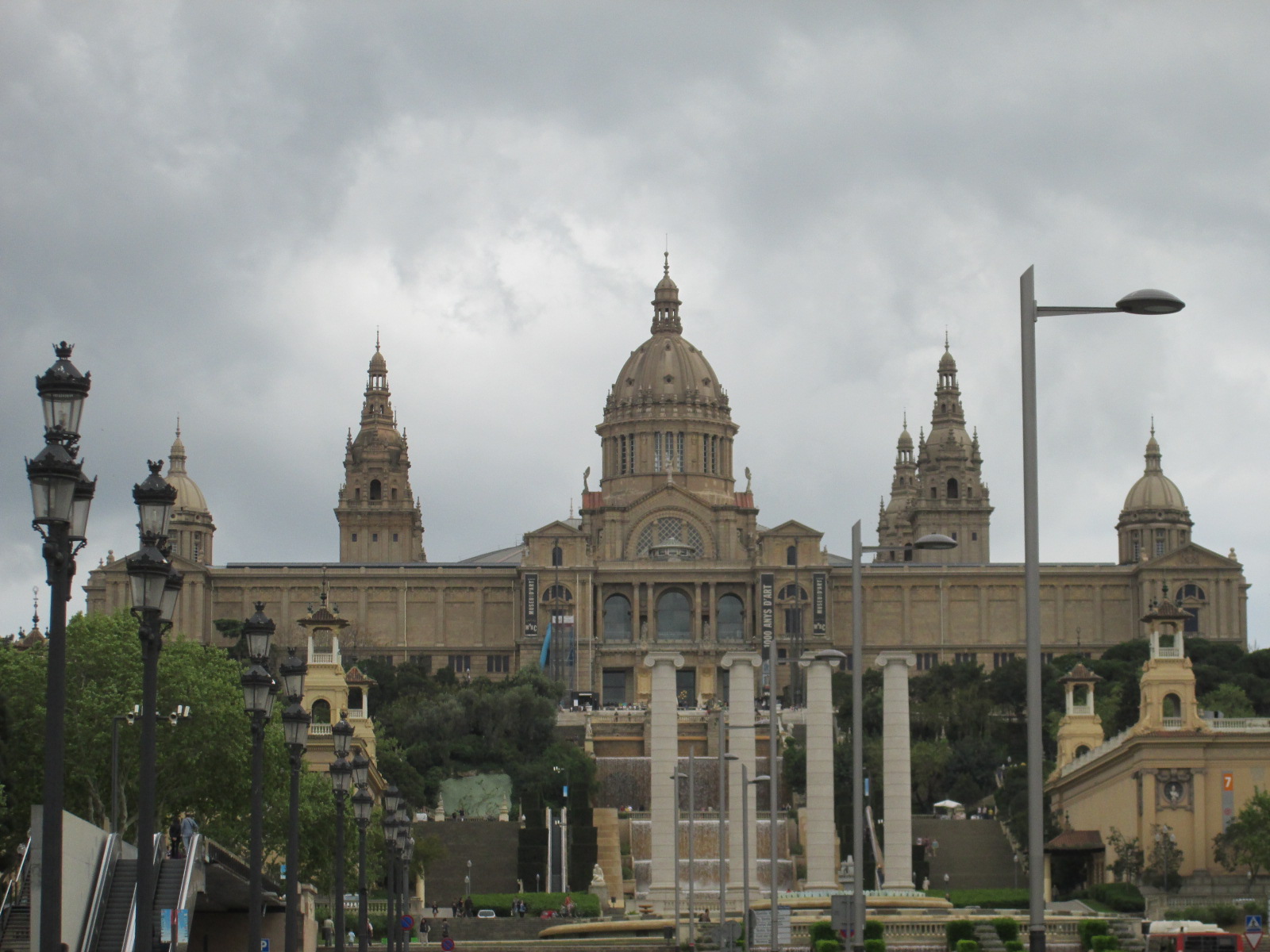
Due to our travel plans that involve crossing into France early in the morning, we called it a day, and took a bus back to the city catching splendid views of the Palau Nacional on the way back. This also gave me some time to make a focused effort at catching up with my blog entries. Some nights, after a day of avid exploring, I am simply too exhausted to write as much as I’d like, preferring to simply read or watch TV instead.

2013-04-19 09.32.50

Travel: Picasso

Pablo Picasso 1962

We started off the day by checking out the Museu Picasso. It was the vision of Jaume Sabartés, Picasso’s longtime friend and secretary, to provide a means to display the many paintings, drawings, and prints that he had acquired through the years. Although the original intent was to found the museum in  Málaga, his birthplace, his strong ties with Barcelona made the city a far more suitable candidate.

I’m sure you are all well acquainted with Picasso, but I will provide you a brief background nonetheless. In 1881, He was the first-born child of Don José Ruiz y Blasco and María Picasso y López. His father was a professor of art at the school of crafts and curator for the local museum. We can chance his Ruiz ancestor back to the blood of minor aristocrats.

Don, his father, was a firm believer in traditional artistic training, requiring young Picasso to conduct a disciplined study of the masters and perfect his sketches by practicing from sculptures and nude models. Through the years, and with the urging of his father and uncle, Picasso ended up at the Royal Academy of San Fernando in 1898, the most famous art school in the country. However, he disliked the formality of classwork and quit soon thereafter.

He eventually made his first foray into Paris in 1900, and it was there, that he formed his own unique style, what we know as  Cubism today. Cubism is a fairly abstract expression of art as it lacks formality and is disruptive and detached to the eye. It also has the capability of evoking a realistic spirit and raw emotion if one chooses to ponder the painting long enough. See my previous post on the Guernica for more guidance.

*No Photographs = No Pictures for this. 😦

Exterior - Barcelona Cathedral

Exterior – Barcelona Cathedral

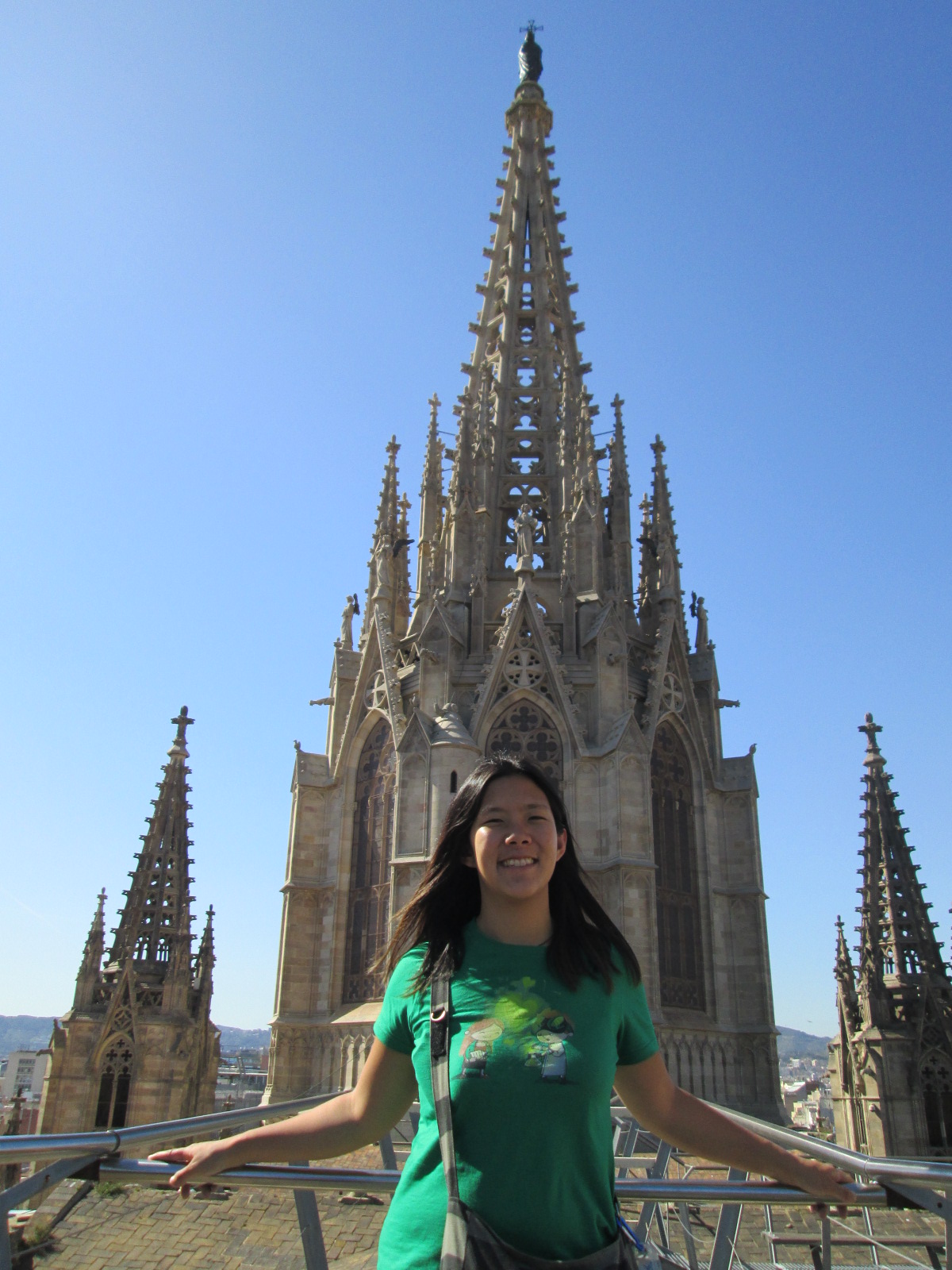
Our next destination was the Barcelona Cathedral, a massive looming structure that originates from the 13th century with final finishes completed in the 15th century. It is the seat of the ArchBishop in Barcelona, and dedicated to the Patron Saint  Eulalia of Barcelona.

Cathedral Tower

Cathedral Tower


Saint Eulalia suffered martyrdom at the hands of the Romans when they stripped her in a public square; it is said that a miraculous snowfall covered her nudity. They then subjected her to 13 tortures, the primary one involving putting her in a barrel with knives in it, and rolling her down the street. She was only 13.

Forgive me for my gory imagery, I have been trying to decipher the meaning of all these saints as I am exposed to them in my foray into religious architecture. I will admit, however, the dearth of Gothic architecture I’ve encountered these past few weeks may have been excessive.

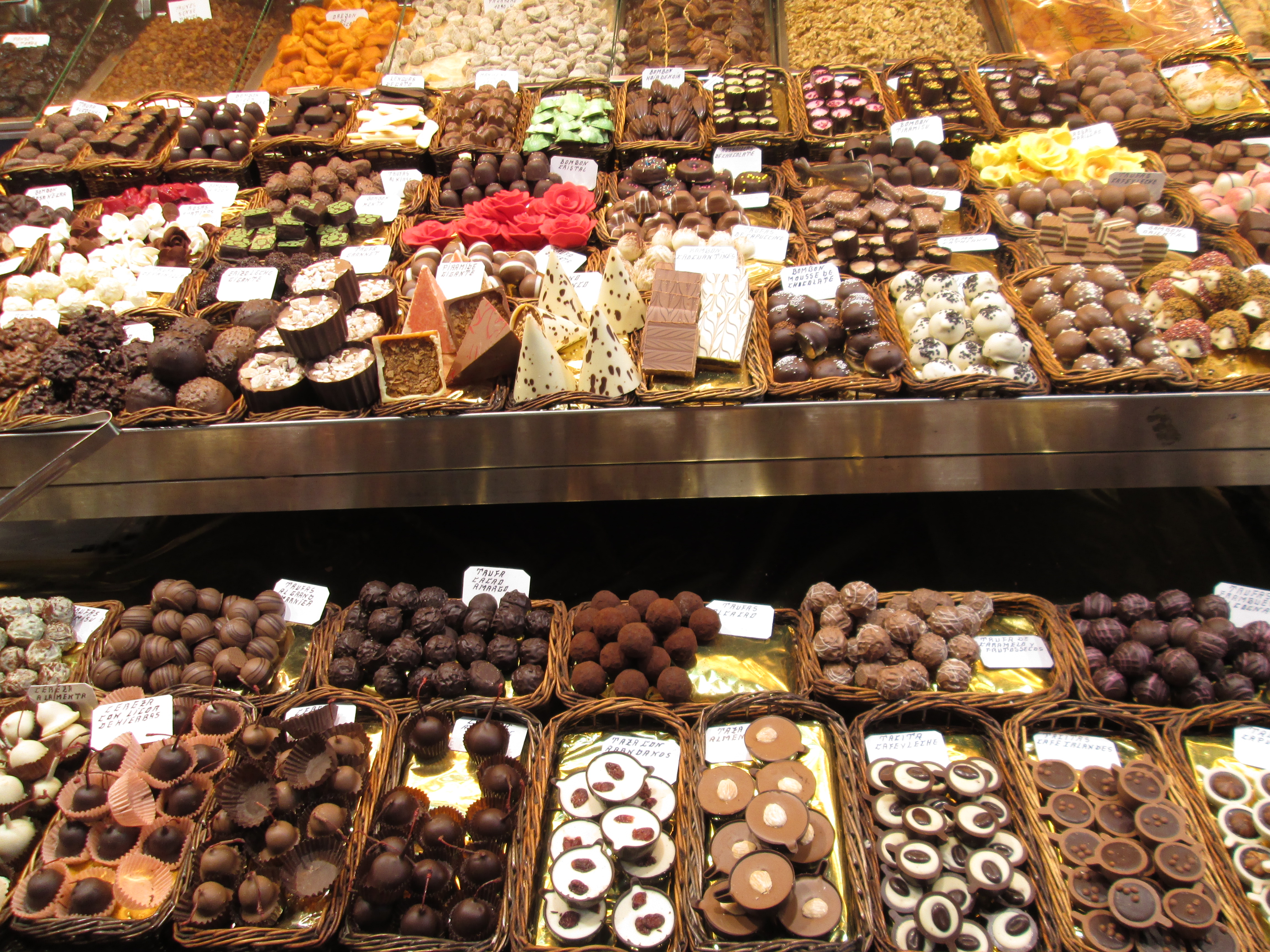
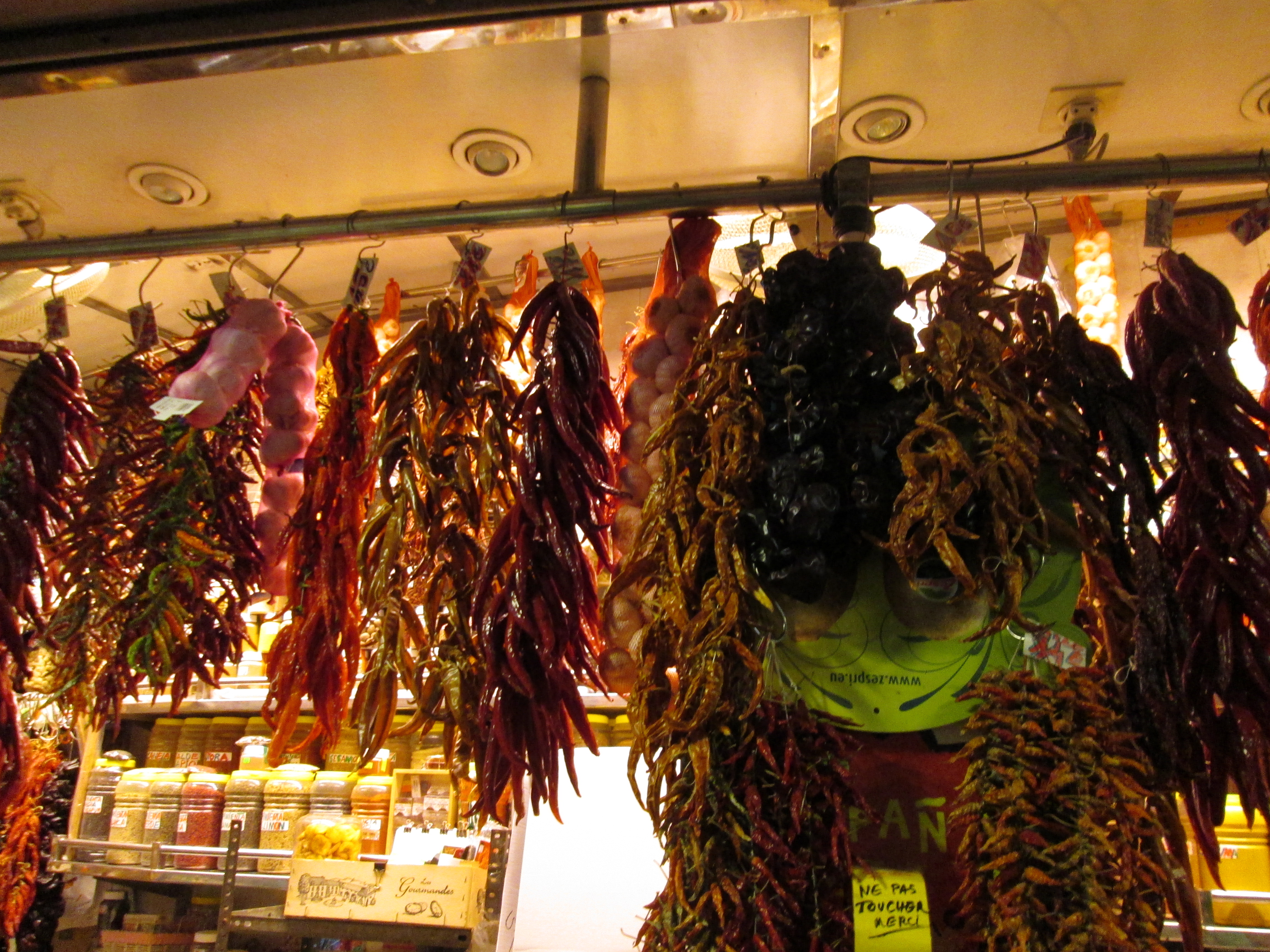
The day was wrapped up with a leisurely walk down the infamous La Rambla, including a stop at the Mercat de La Boqueria.

2013-04-17 12.44.482013-04-17 12.48.372013-04-17 12.40.202013-04-17 12.37.39

Previous Older Entries Next Newer Entries