Travel: Palaces of Vienna

Finally summoning the willpower to leave Prague, I found myself in the capital of Austria. As home to Sigmund Freud, and a history of providing philanthropic support to inspiring composers, Vienna is indeed the ‘City of Dreams and Music.’ It is hard to miss the beauty of its streets, as merely a stroll down any avenue will greet you with gorgeous architecture, baroque décor, and green landscapes.

I never considered myself ‘Palaced-out’ until I visited Vienna. The city has enough imperial palaces to satisfy the requirements of a minor ‘Disneyland’. As such, I averaged a royal residence a day, and each had its own unique quirks. Though I will admit, my enthusiasm has begun to wane in regards to both palaces and churches.

2013-05-14 02.10.37

My first visit commenced at the Schönbrunn Palace, as it was within easy walking distance of my hostel. It consists of 1,441 rooms designed in the  Rococo Style.  Once again, as in the case of Versailles, it originated as the court’s recreational hunting ground on an estate that was purchased the Holy Roman Emperor Maximilian II in 1569.

A mansion named Katterburg was subsequently erected, and then an Orangery added on by Eleonora Gonzaga, wife of  Ferdinand II in 1643.

2013-05-15 04.36

The next palace was the Belvedere Palace complex. Prince Eugene of Savoy purchased a sizable plot of land in 1697, and chose Johann Lukas von Hildebrandt as the chief architect. His vision was to construct a landscaped garden and a summer residence. He had to wrest the upper portion of land from imperial Grand Marshall Count Heinrich Franz Mansfeld, Prince of Fondi, by taking out a large loan secured against Stadtpalais. Thus, Lower Belvedere and Upper Belvedere became a united estate.

2013-05-14 10.35.45Vienna’s last, but most renowned palace is the Hofburg Palace, the primary residence of Emperor Franz Joseph I and Empress Elisabeth. It was a rare love match for the royal couple, despite ‘Sisi’ neglecting her duties as Empress, and spending much of her time traveling abroad. The complex itself is stunning, and incorporates many buildings, which have since been converted to accommodate museums, libraries, and theatres. This area has been the document seat of government since 1279, and the residential portion is now termed the ‘Sisi Apartments.’ Although not well respected in life, due to her indifference to participate in royal court, ‘Sisi’ was remembered fondly in her death after she was assassinated by the radical Italian anarchist Luigi Lucheni in Geneva.

2013-05-14 04.16.15

Overally each palace was unique and rested on absolutely gorgeous grounds! The architectural landscape is so elegantly crafted and detailed, that despite the centuries past, you can almost feel the royal presence strolling through the gardens.

Travel: American Nobility

2013-05-13 05.29.45

I have decided that Prague is seductive. It teases you with old medieval charm that whispers of knights in armor, damsels in distress, ancient architecture, and of course, unhygienic conditions, shorter life spans, and social hierarchies.
For obvious reasons, I ended up extending my stay by two days for the following destinations that spoke to me of family and tradition.
I ventured in to explore the private art and history collection of the Lobkowicz Family, who holds several estates in Prague, but far less than they did a mere century ago, and the loss of this land did not occur as you might think. (Once again, No picture policy)

The Lobkowicz name spans over seven centuries of nobility; it is one of the oldest and most distinguished surnames of Bohemia. Many have held high titles or been inducted into prestigious organizations (i.e. Princes of the Holy Roman Empire, High Chancellor, Dukes of Sagan/Roudnice, and Knights of the Order of the Golden Fleece.) Their adamant support of the arts resonates at a groundbreaking magnitude even today.

Fast-forward six centuries. At the end of WWI, the young Prince Maximilian Lobkowicz was a progressive; His political background allowed him to wholeheartedly provide support for the newly democratic Czech Republic. As such, he adamantly opposed the rise of Hitler in Nazi Germany; this resulted in his name being placed on an arrest list. Fortunately, due to the deviousness of his wife, who understood the Nazi Soldiers discussing military action in her train car (they believed she did not speak German), he was able to escape to London prior to arrest when the country was occupied in March 1939.

At the end of WWII, the properties and collections were returned to the family, but it was not to be permanent. In the onslaught of the Soviet Union, the Cold War, and the encroaching dominion of the Communist Regime, Maximilian and his family were once again forced into exile in 1948.

After the Velvet Revolution of 1989, and the dismantling of Western and Eastern Europe, which were formerly split by the Communist Regime, the Czech president began the issuing of legislative acts to return all confiscated property. At this point, the duty was left to Maximilian’s sons, who had been raised in America. William Lobkowicz, a Harvard grad, and his wife, Alexandra took on this burden, relocating his family to Prague to help maintain the restoration of their estates, and the opening of doors to provide the public with access to their large collection. Unfortunately, due to the decades, the properties were quite damaged due to neglect, so executive decisions were made as to what land could be sold, in the hopes that the money would go towards preserving some of the more historical holdings. These include the Lobkowicz Palace, Nelahozeves Castle and Strekov Castle.

2013-05-13 07.19.13

Theological Hall

2013-05-13 07.23.34

Philosophical Hall

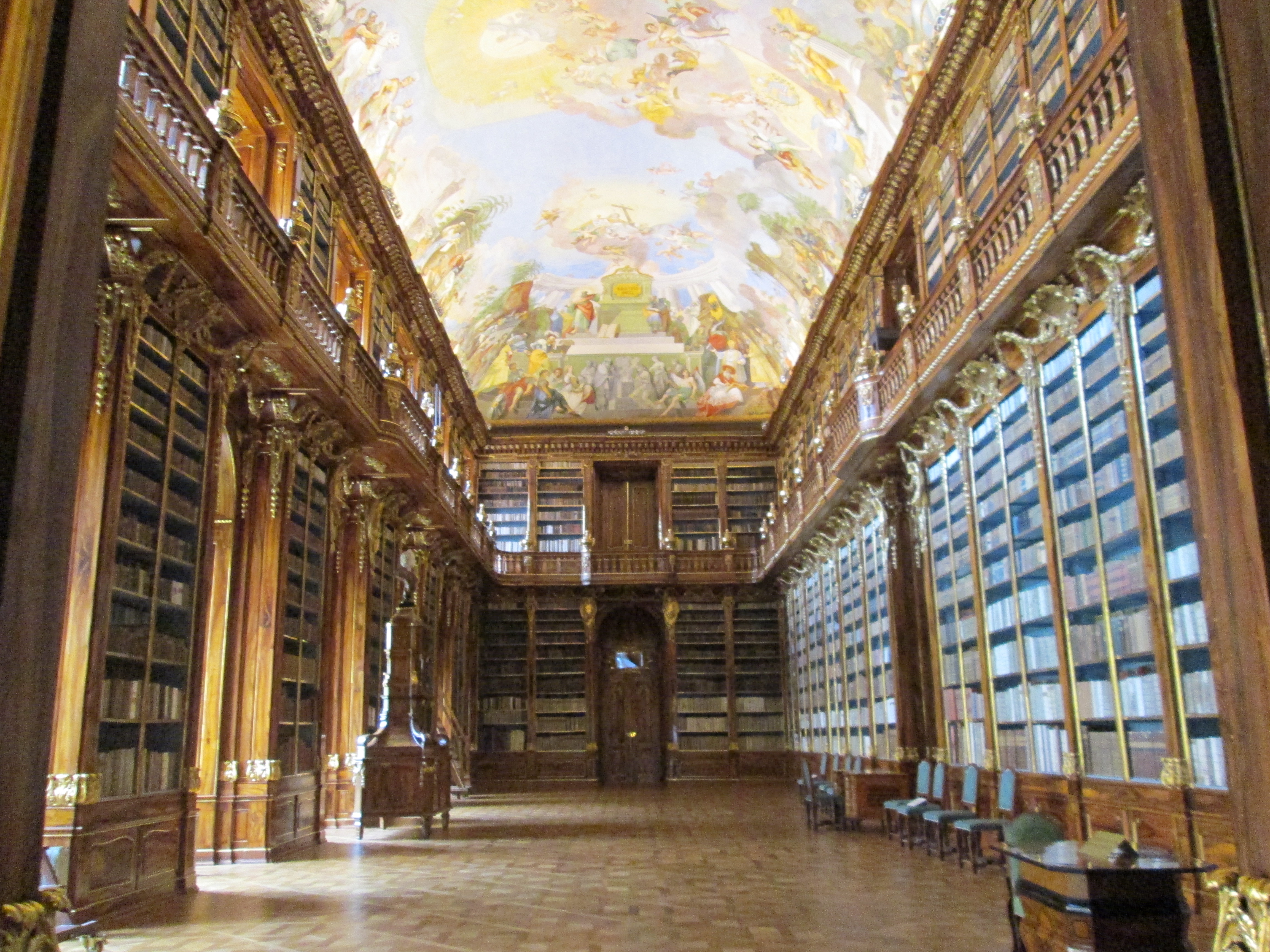
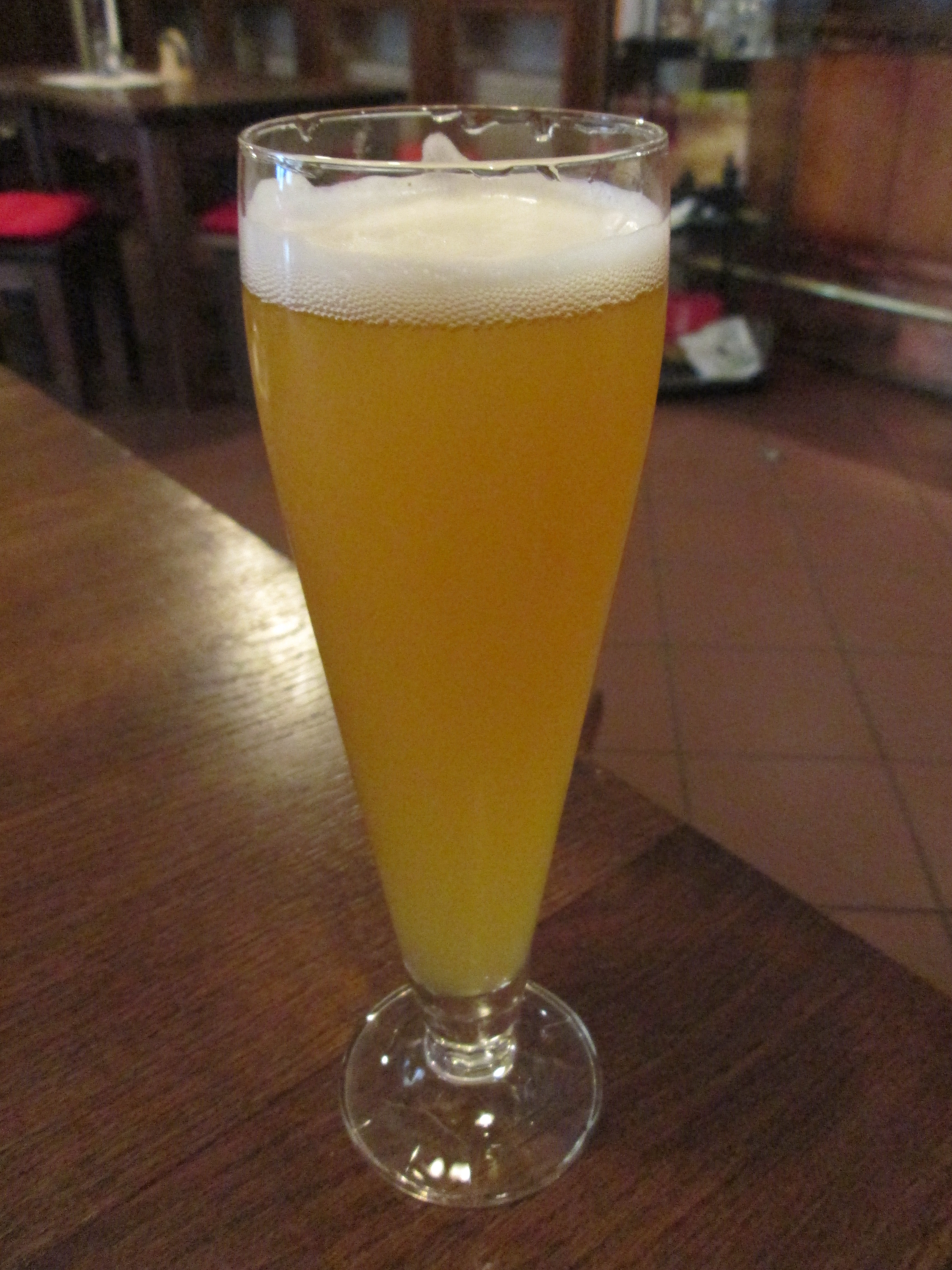
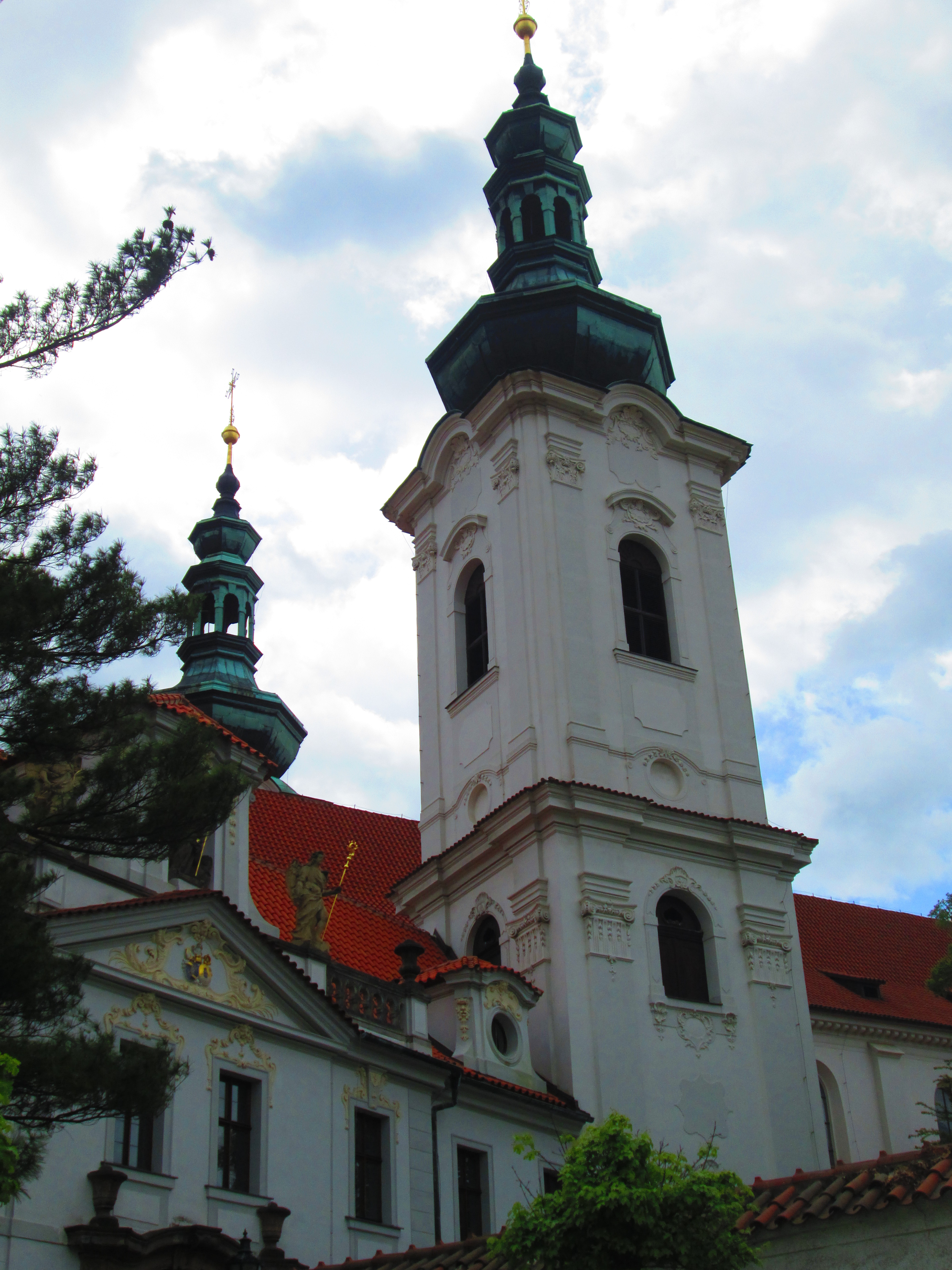
I wrapped up my day by visiting the Strahov Monastery to check out the sprawling Philosophy and Theology Halls. My final wind-down involved drinking Strahov Beer that has been brewed from the same recipe that was used centuries ago.

2013-05-13 07.49.35

Despite the struggles that the Lobkowicz Family was subject too, one can help but feel whimsical about this fairy-tale dream of American Nobility. It did materialize a bit late for it to seem like a happily ever after however. In the challenges faced during the sequential confiscation and restitution of their priceless buildings and art, three main values have steadfastly kept them determined.

  1. Family and Friends
  2. Faith and Beliefs
  3. Education

What values do you hold on to as you traverse life? How do they keep you grounded as a wholesome human being? Have they aided you in the challenges and struggles we face everyday?

Travel: Medieval Dreams of Prague

Prague, how can I even begin to describe the city that beckoned to me, the land that shimmers of fairytales, and the nights filled with good friends, appetizing beer, and laughter. This city succeeded where others have failed, she completely disarmed my strategic schedule, teasing me with her untarnished history, her colorful culture, and her people.

2013-05-12 03.54.44

This city’s origins are from the Paleolithic age. In 200 BC, the celts established an oppidum in the south, and at the end of the 1st century BC, this population was primarily composed of the Germanic Tribes. This gave way to Slavics in the 6th century AD, following the collapse of the Western Roman Empire.

Legend says that a Czech Duchess and Prophet  Slavics and her husband, Přemysl, founded this as a simple fortified fort in the year 800. They were also the founders of the Přemyslid dynasty. The first masonry beneath Prague Castle dates from 885.

This region became the seat of the dukes, and in time, the capital for the kings of Bohemia. During this time, it was elevated to archbishopric, and became a vibrant merchant city for individuals from all regions of europe. In the 14th century, Prague flourished as the third largest city and Imperial Capital of the Holy Roman Empire. During this time, under the reign of emperor Charles IV, construction of the Saint Vitus Cathedral was completed. He also personally laid the first foundation stone for the Charles Bridge.

2013-05-12 07.52.152013-05-12 03.54.01

However, the flourishing was not to last, the trade guilds became increasingly more powerful as the craftsmen deftly wielded the economy  As a result a large differentiation in social strate occurred  and the number of poor people continued to increase. You can still see remains of a fortification wall that was built, despite being unnecessary  in the 1360s to provide employment to workers and food for their families.

I like Charles IV already! He seemed sympathetic to the struggles of the commoners, and tried to alleviate their suffering during the famine. Unfortunately, He died in 1378, and during the reign of his son, King Wenceslaus IV, intense religious turmoil began to invade the city…

Travel: Absinthe Woes

The hostel I chose to stay out while in Prague was truly like family, including a communal dinner that gave residents ample opportunity to make new friends, discover new cultures, share drinking games, and mingle while simultaneously causing havoc on the town. This was also the case when I decided to partake in the festivities on a Friday night.

English: Absinthe

Somewhere along the lines I got convinced to take a shot of Absinthe. (when in Europe after all ^_^). Fortunately I am a practical person, and that was the limit to my drinking for the night, in addition to a glass of wine and a bottle of cider earlier in the evening. It was far too easy to lose track of time in the club, enjoying the beat of the music.

My friends and I had difficulty locating the appropriate tram stop back to the hostel however, and we ended up running to catch the WRONG one, and had to hop off to wait for the RIGHT tram in the opposite direction. We then had a chow-down at the hostel, and didn’t succeed in crawling off to bed until around 5 AM.

Unfortunately, despite the memorable night this had a ripple effect on my carefully planned itinerary. I was unable to charge anything, or remember to set it to charge before passing out; Therefore upon waking up late, I had to finish some organizational tasks on my computer, and charge my camera and phone before I could leave. I only had one adapter. Needless to say, my Saturday was very slow and not that productive.

Have you ever had one of those days? You just need a do-nothing, think-nothing, never leave home escape. I think I was probably long due for one, since I have now been traveling in Europe for over a month. What do you do when you hit this point?

Travel: Kutna Hora

I made some new and worldly friends while on a day trip from Prague. One of them I met because we jointly decided to split this delicious looking ham that was roasting over an open spit in the Old Town Square. I had to run off to join a scheduled tour, but we met at the train station the following day, and she made a friend on the platform before I met up with her, and then we picked up another stray after we arrived in Kutna Hora. It never ceases to amaze me how minute splashes of fate can cause endless ripples of connections and friendships.

2013-05-10 05.00.02

Kutna Hora is a well-preserved town about 1-hour outside of Prague. It began in 1142 with the founding of the first Cistercian Monastery in Bohemia. This evolved into a town when German Miners began to mine for silver in the mountainous region of Kuttenberg that was part of the Monastery land. In 1300, King Wenceslaus II of Bohemia issued the code Ius Regale Monanorum, a legal document specifying the technical terms and conditions necessary for operation of the mines. The city than underwent economic boom, and expanded rapidly competing with Prague in all aspects.

However, as we know with all great cities, they tend to fall as well. This began with an unsuccessful attack by Emperor Sigismund on the Taborites during the Hussite Wars in the early 1400s. After Bohemia passed to the Hapsburg Monarchy of Austria, the richest mine was flooded in the mid-1500s, effectively shutting down the city’s main industry. In 1770, the area was further devastate by fire, and the mines were officially abandoned at the end of the 18th century.

2013-05-10 04.48.232013-05-10 04.53.28

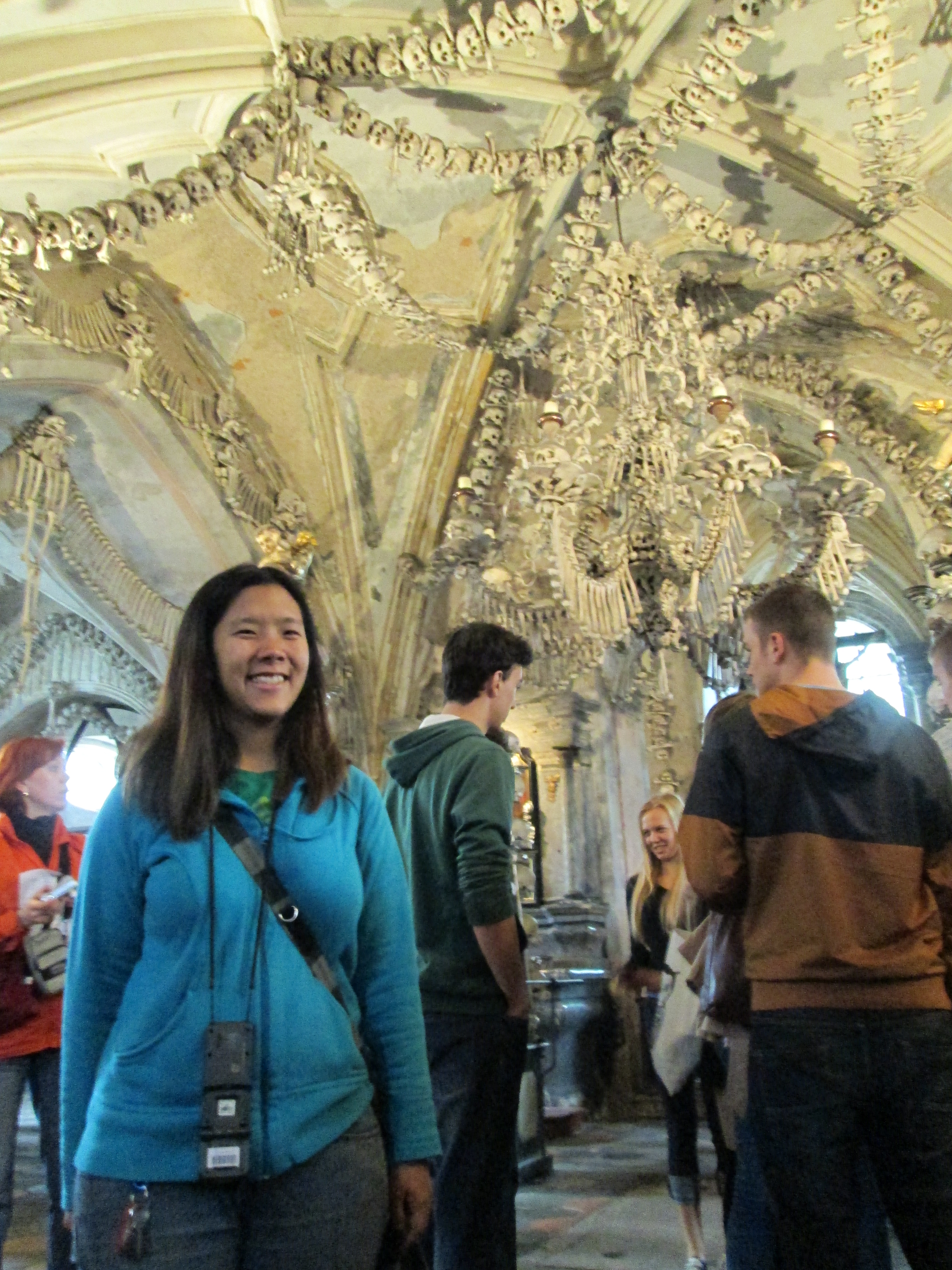
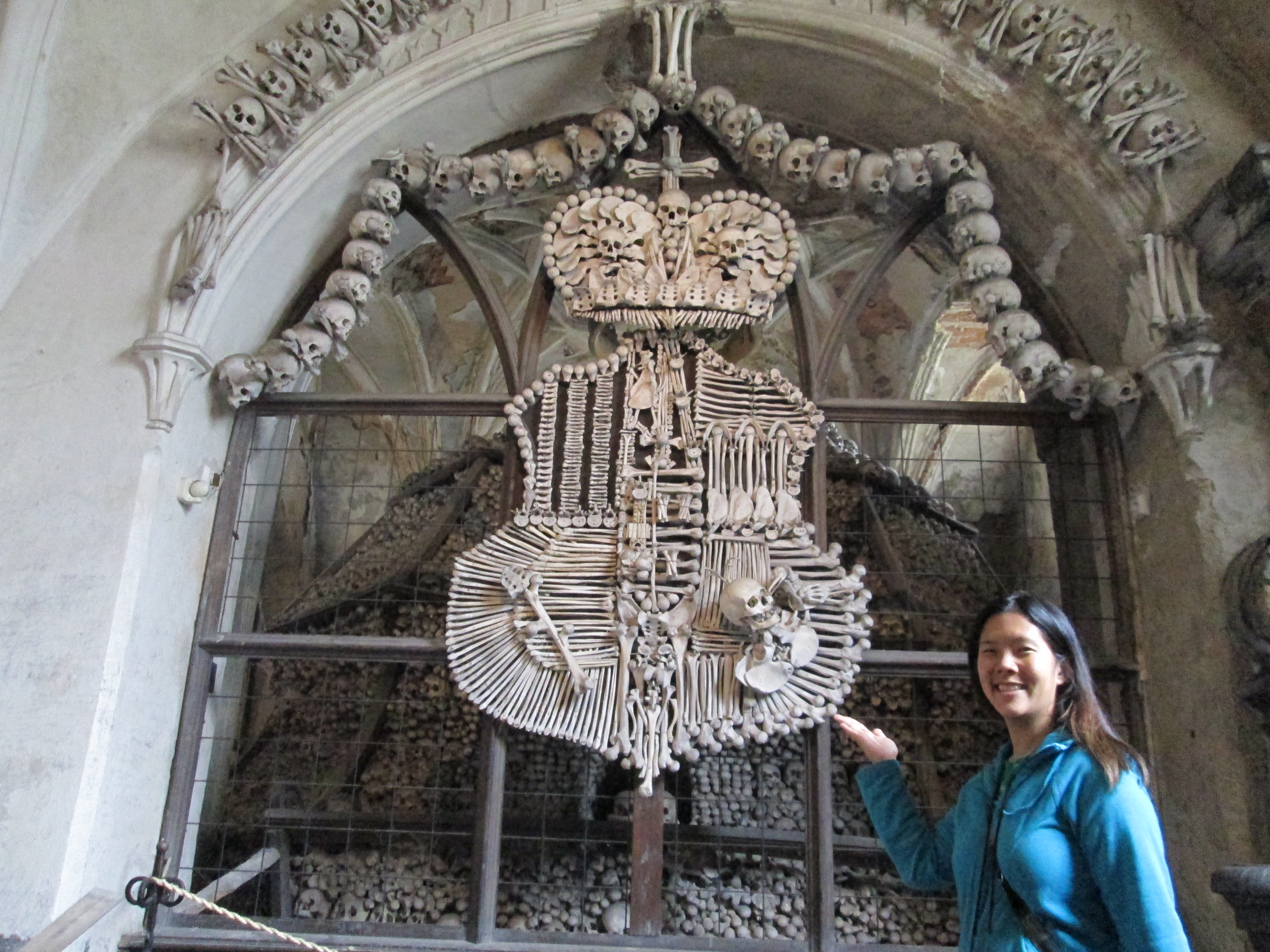
After struggling with some navigation issues, we managed to make our way to the Sedlec Ossuary; it is more commonly called the Roman Catholic ‘bone-chapel.’ This stems from the interior decor that is estimated to consist of the bones of between 40,000 to 70,000 people. While this may seem dark and ominous, it can be understood when one considers the mass graves required in the mid-14th century, during the Black Plague, and the early-15th century, during the Hussite Wars. After 1511, a blind monk was assigned the task of exhuming skeletons and stacking the bones, this resulted in macabre pyramids, a chandelier, and a coat of arms.

2013-05-10 05.06.39

The visuals I saw both made me shudder in mild fear, since it is still common to associate bones with death and decay. But I also began to understand the chapel as a final resting place for peace. The bleached and starkness of the coloring doesn’t signify emptiness or being alone, but it speaks of purity, and entering the next life cleansed of sins and regrets.

We then stopped by the St. Barbara Church. (Of course! Another Church!); It is one of the most famous Gothic Churches in central Europe. It make’s sense that St. Barbara is the patron saint of minors, therefore a religious building attributed to her is appropriate. Construction of this sprawling cathedral began in 1388, but work was interrupted multiple times and it was not complete until 1905. It doesn’t even live up to the original design, as the it called for a larger church up to twice the size of the present one.

2013-05-10 08.462013-05-10 08.28.54


Travel: Old Prague

In the midst of Prague lies the old town. I ventured into this step back into time, to bear witness to sprawling medieval architecture that helps maintain the city’s archaic atmosphere. I used the word archaic not to emphasize viewing her as rough or uncultured, but to stress how well her ancient roots are preserved.

2013-05-09 05.40.28

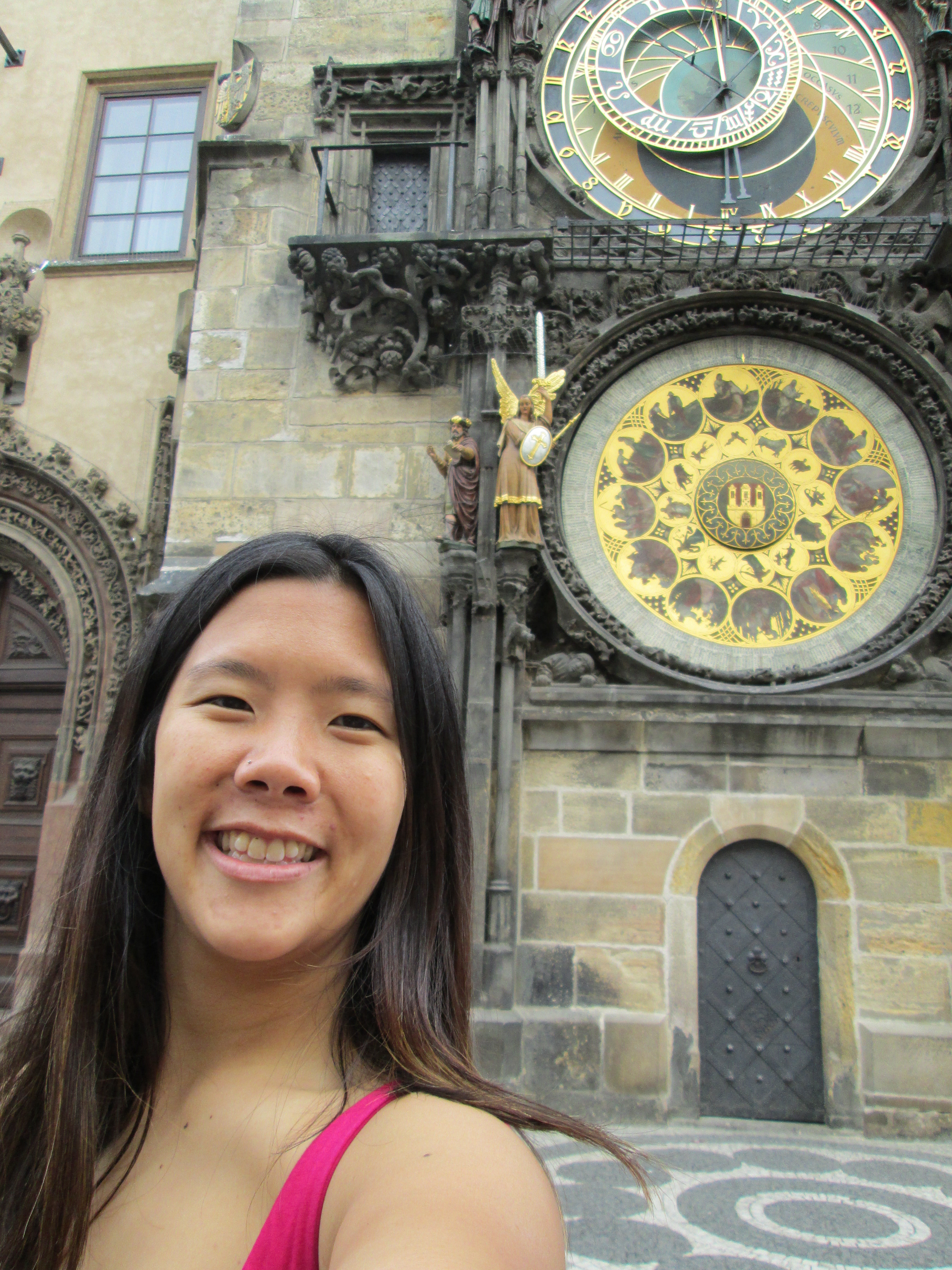
An Astronomical Clock on the face of the city hall’s tower dominates the old square. It’s name is the Orloj; It is an ingenious contraption designed by clockmaker Mikuláš of Kadaň and Jan Šindel in 1410. Jan Šindel was a professor of astronomy and mathematics at the Charles University. Over the decades and centuries, it has been subject to additional decorative features, maintenance, and repair. The clock itself was almost lost to the incendiary fire from German attacks on May 7-8, 1945 during the Prague Uprising.


There are two legends about this icon of Prague:

  1. The first is that the clockmaker was blinded by the city so that he could not repeat his magnificent work; they say that in revenge, he broke the clock and it was irreparable for the next hundred years. 
  2. The second is that if the clock is neglected, or it’s operation is in jeopardy, the city will suffer.

2013-05-09 08.01.14

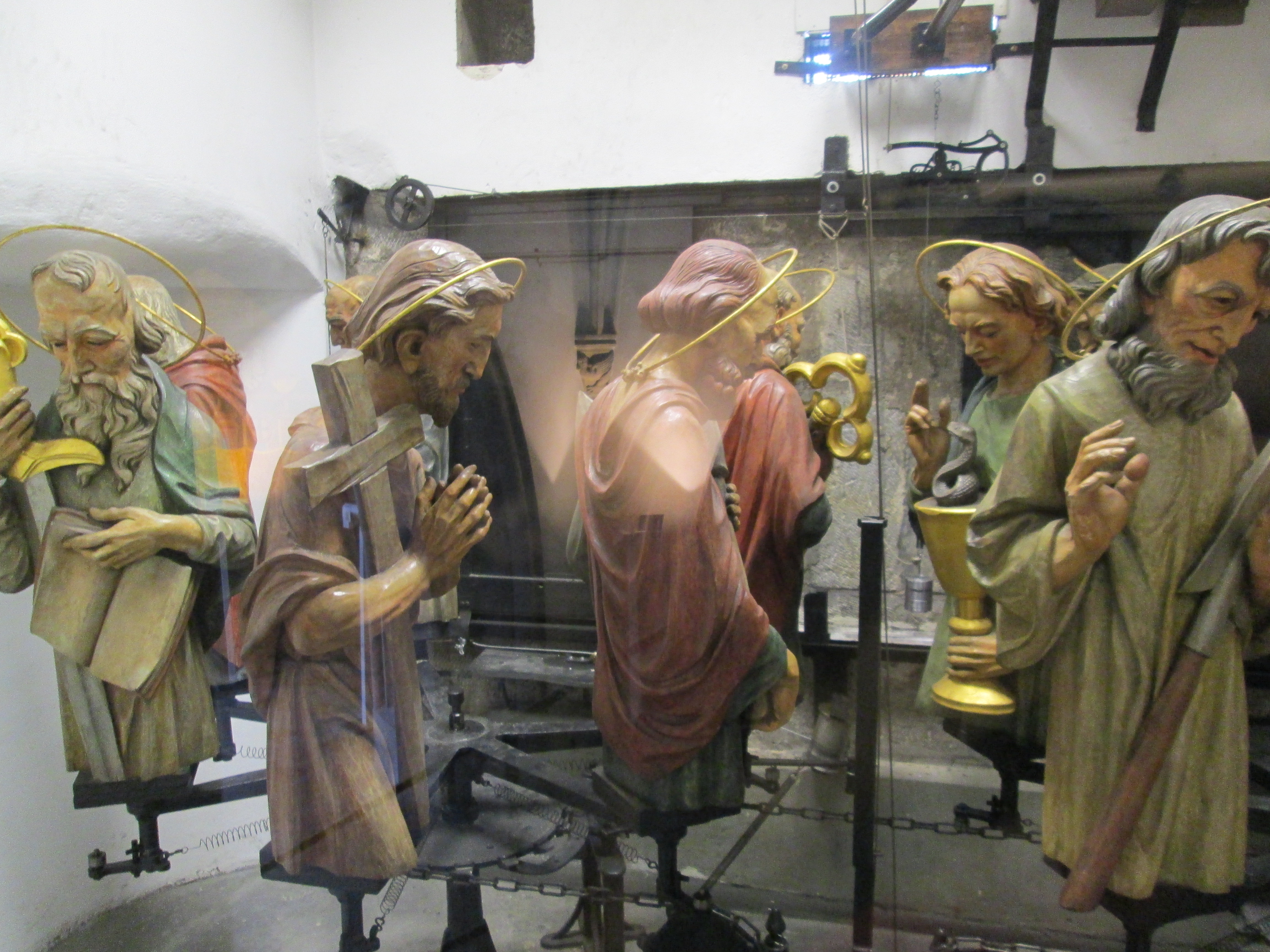
I was fortunate enough to approach the clock a few minutes before it hit the hour. On each hour, a rotation of 12 figures can be seen within its windows. This is known as “The Walk of the Apostles.”; Glimpses were caught as each appeared for a brief moment before giving way to the next apostle.

Additionally, there are four figures that flank the clock, representative of 4 virtues that were despised in the 1400; they were vanity, greed, death, and pleasure or entertainment.

After this, I detoured to (you guessed it!) two of Prague’s most famous churches in the square:

St. Nicholas Church was built between 1704 and 1755, and is often described as “the most impressive example of Prague Baroque.” It lies on the remains of a 13th century gothic church. The interior decoration is particularly mesmerizing due to the detail of the frescos by Jan Lukas Kracker and Frantisek Xaver Palo. Furthermore ornamentation is provided with Frantisek Ignac Platzer’s sculptures. Mozartis known to have made an appearance here when he played the Baroque Organ, consisting of 4,000 pipes and up to 6 meters in length, in 1787.

2013-05-09 05.14.002013-05-09 05.17.43

2013-05-09 05.06.42

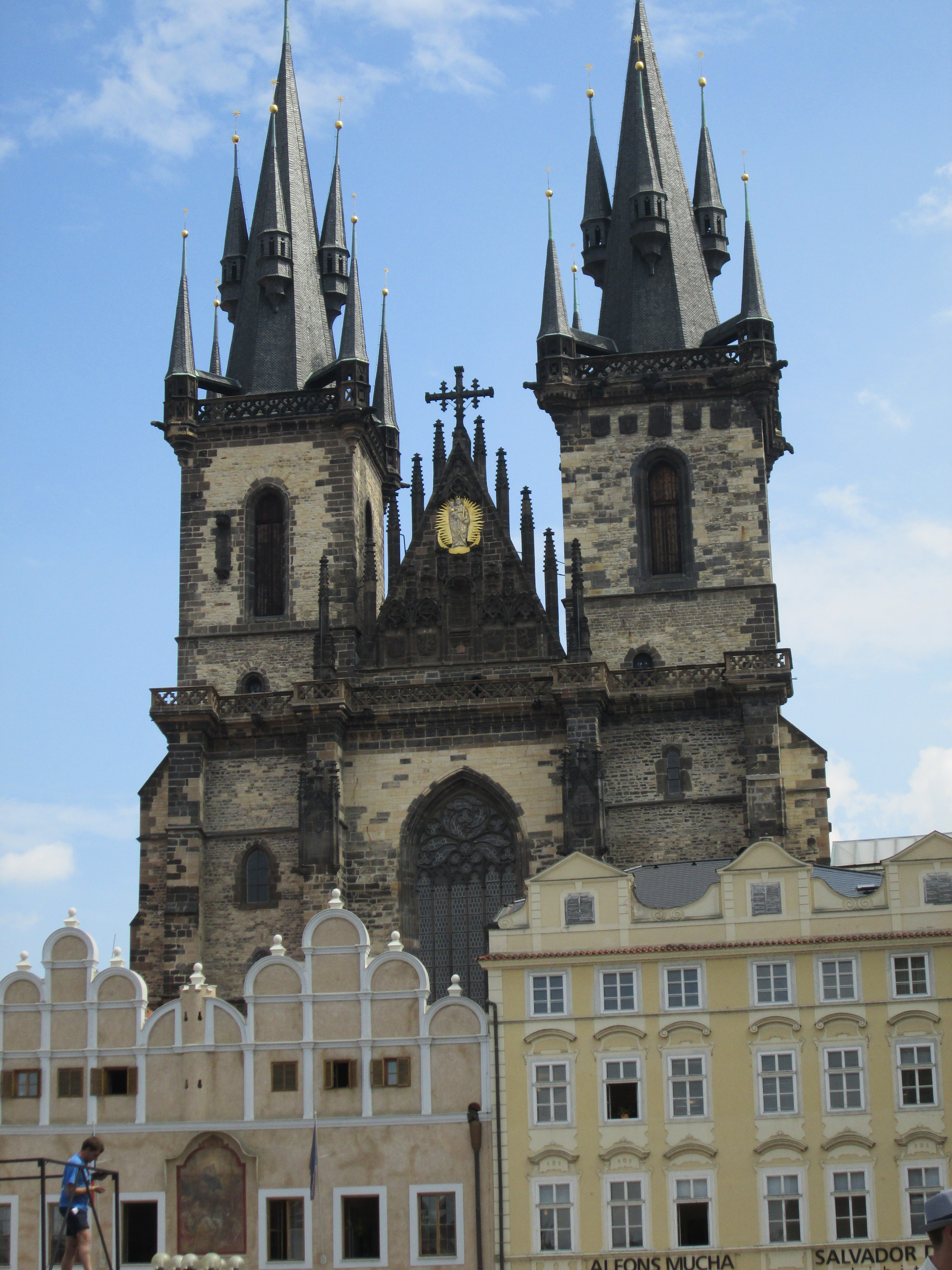
Our Lady before Tyn dominates the Prague Skyline as if it is the Watchdog of the city. This site originally housed a Romanesque Church in the 11th century, and was replaced by an earlier Gothic Church in 1256. The oldest pipe organ in Prague lies within it’s walls. Additionally, the Danish Astronomer Tycho Brahe is buried here. You may also consider it fascinating to know that this is the church that appears in the opening scenes of xXx.

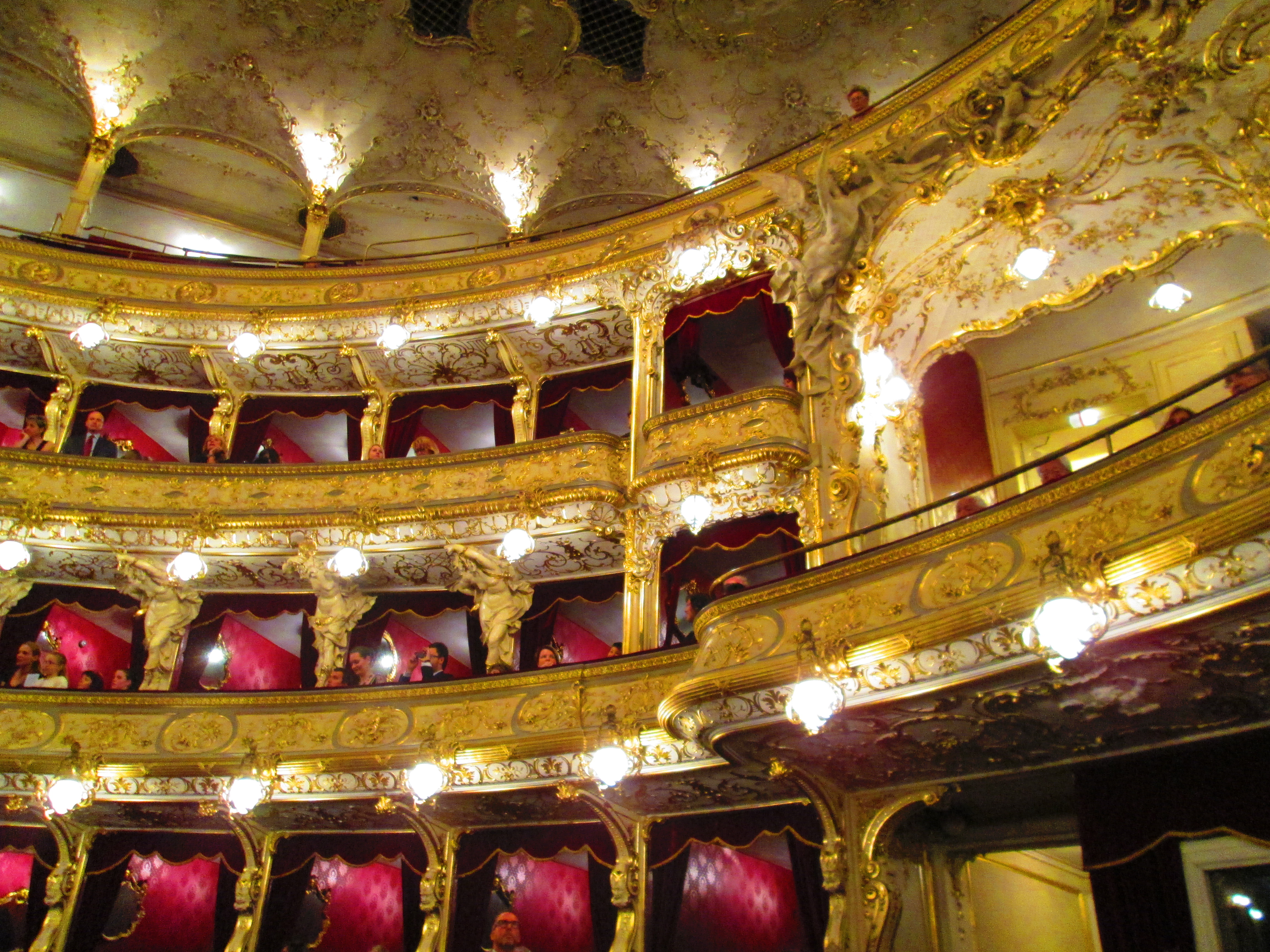
I wrapped up my history  filled day by treating myself to a famous Czech Opera at the State Opera House. The interior was decorated extravagantly and I felt a little drab amongst my peers. (I am backpacking across Europe after all, how fancy did you think I could get?). Rusalka was filled with magic, beautiful soaring voices, and ethereal actors.

2013-05-09 11.43.062013-05-09 11.52.01


Travel: Berlin

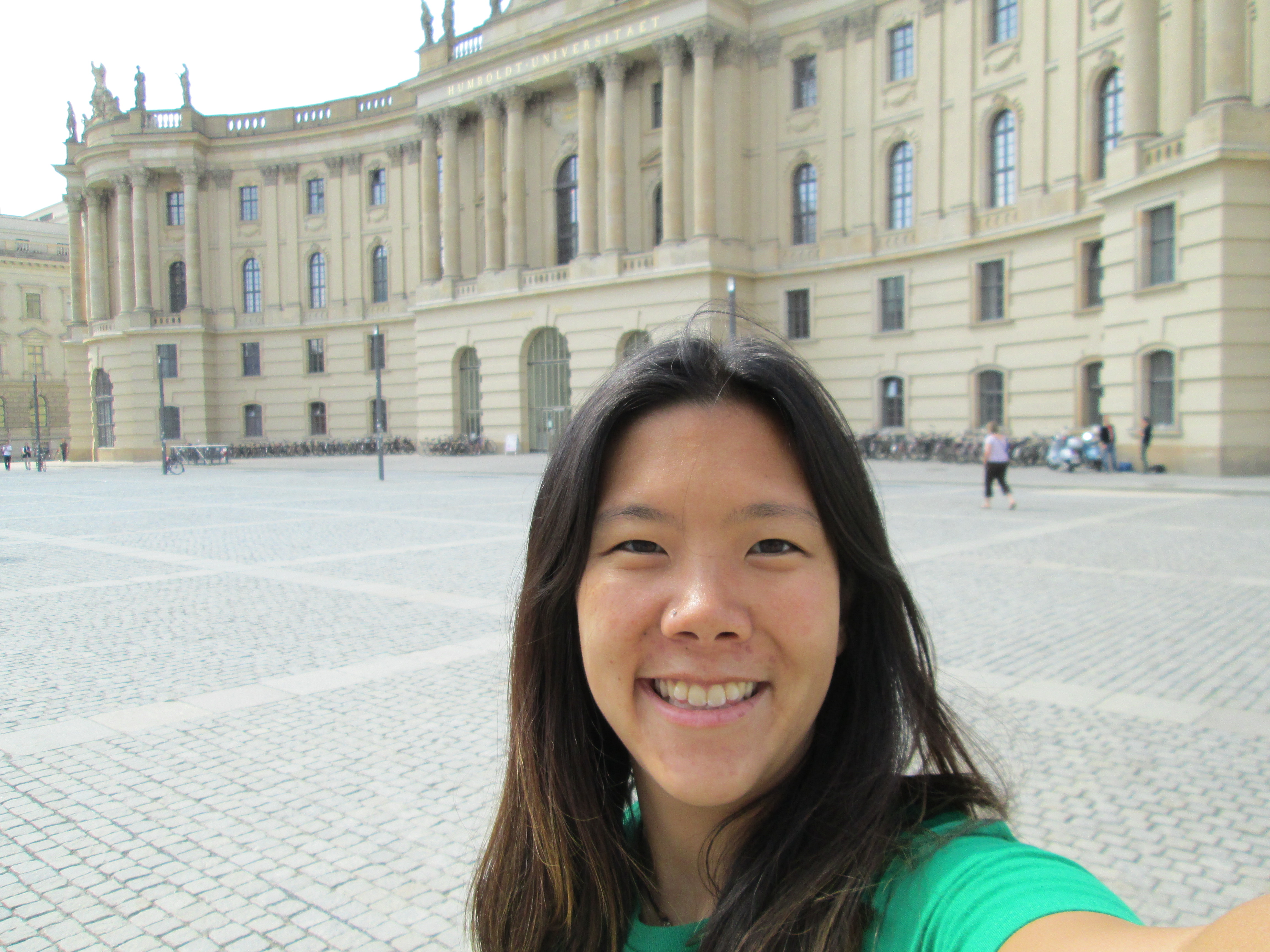
2013-05-06 05.16.26Don’t get me wrong. Berlin is still a culturally vibrant and thriving city. It may have  a dark past, but despite those shadows, it has managed to fight beyond the repression, and rise like a phoenix from the ashes. Sometimes it still gets a bad reputation as ‘the concrete city,’ but she bravely flaunts the lessons learned from the 20th century.

2013-05-06 12.12.52

For example, it has used former Nazi Locations such as the current Topography of Terror, Bebelplatz, and Fuhrer’s Bunker to educate the citizens about oppression, genocide, and the darker side of man. This allows for individuals to recognize the indicators of dictatorship, and provide hope for prevention of this power takeover be attempted again.

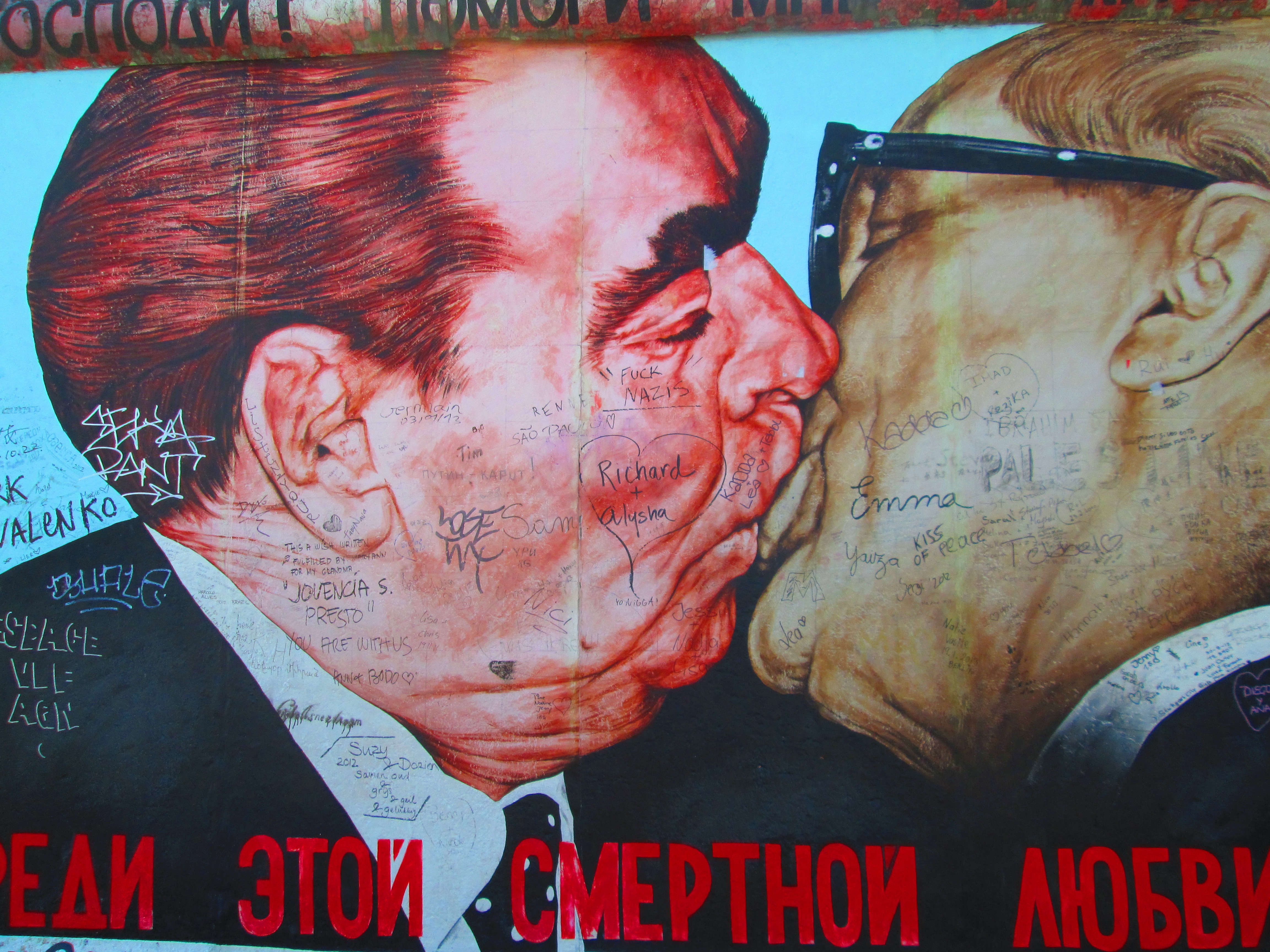
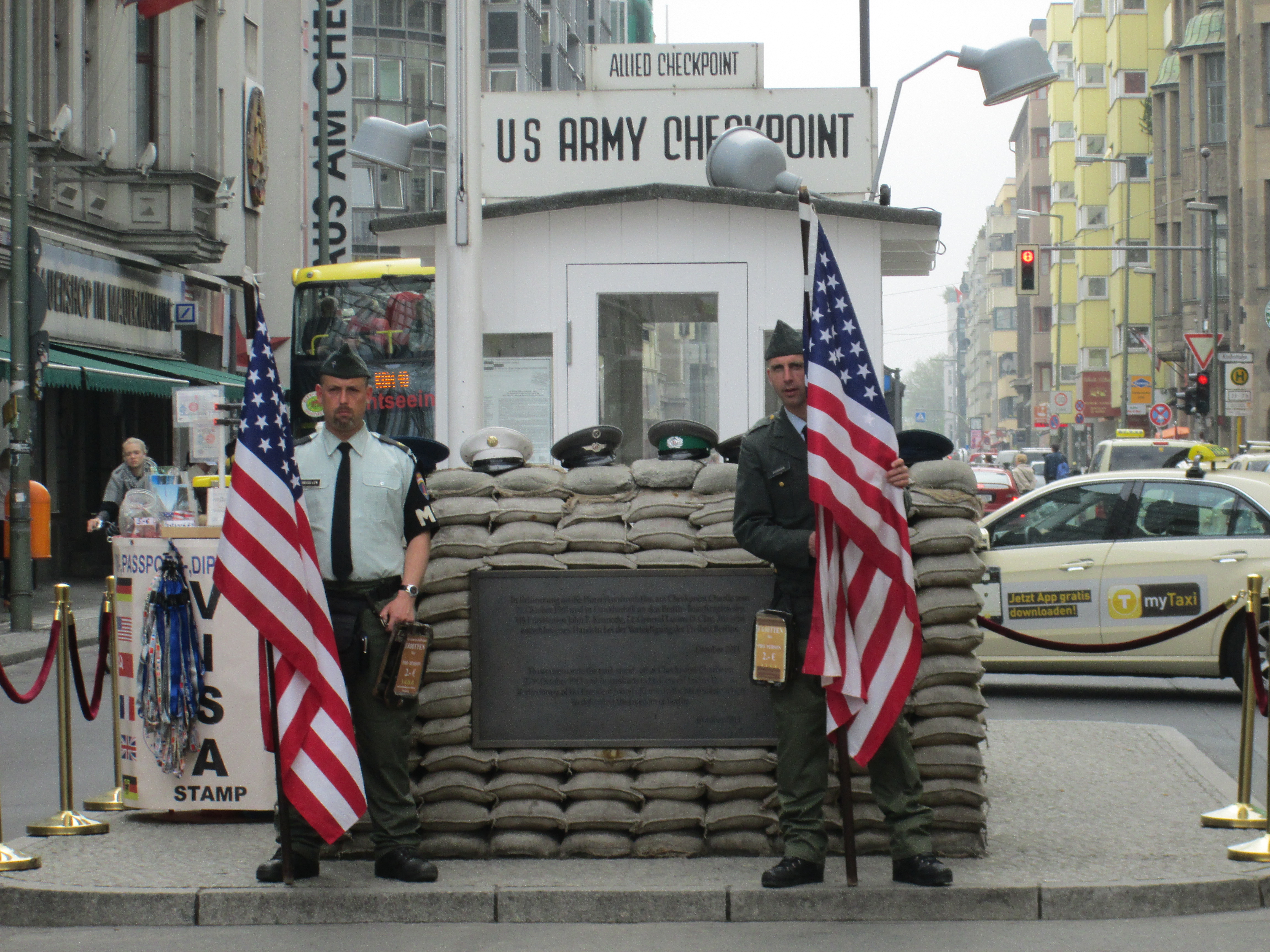
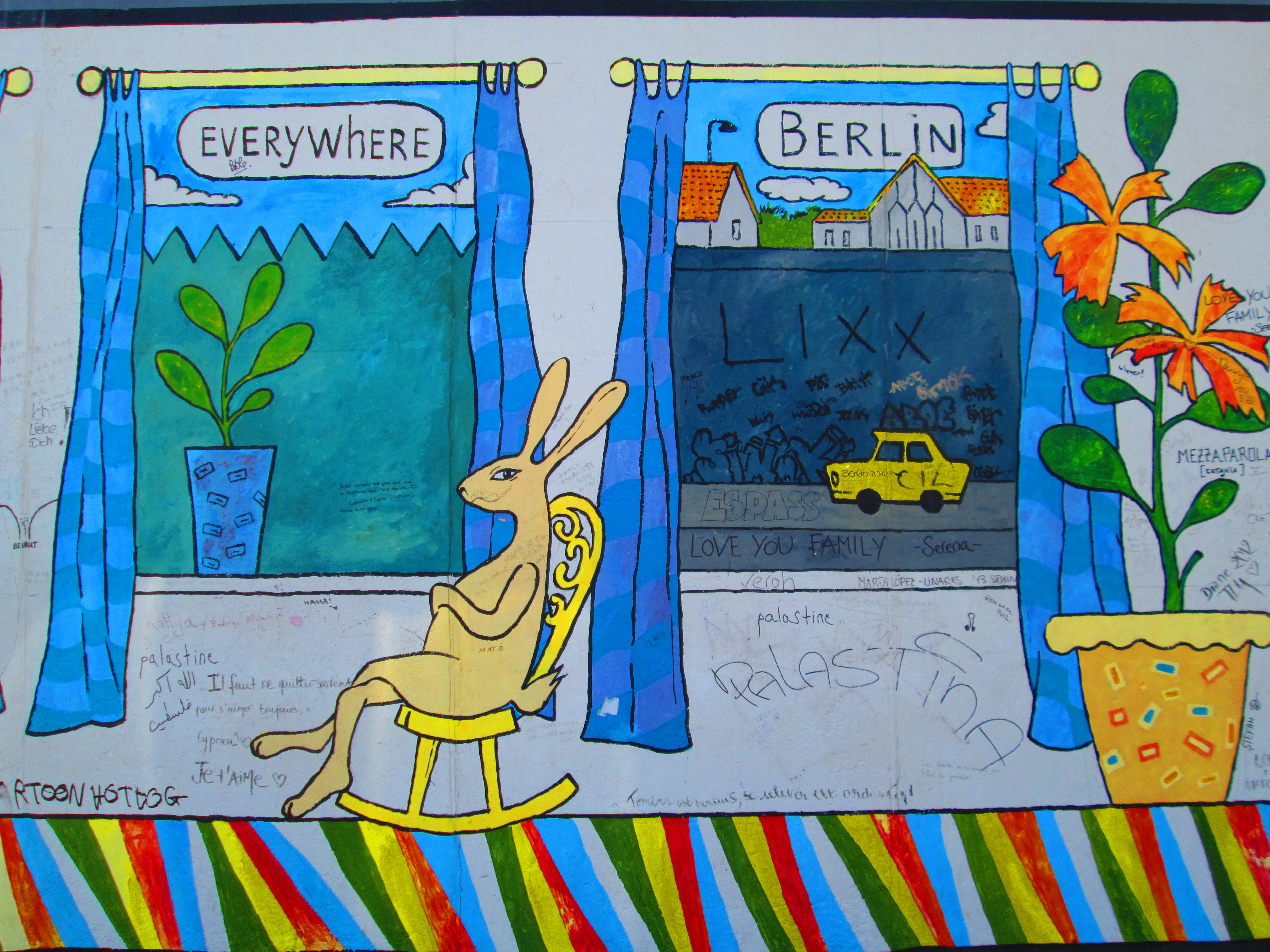
The museum about the rise of the Cold War at Checkpoint Charlie, and the international freedom memorial at the East Side Gallery, proclaim loudly to the world that freedom of expression is a basic human right. It uses vibrant color splashed along a long stretch of the former Berlin Wall to support individual thought, the legitimacy of homosexuality, and the power of expression.

2013-05-05 05.24.422013-05-05 05.56.46

2013-05-05 11.16.522013-05-05 05.13.58

This is best represented through the glass dome of the infamous Reichstag; it is the 2nd most visited attraction in Germany. From above, visitors can directly observe the chambers of parliament while they are in session. For the politicians, this is a reminder that the population elected them into their positions, and can also take the offices away. As an official, it its their duty to serve the desires of their constituents, not individual and subversive agendas.

2013-05-06 09.15.362013-05-06 09.23.50

What are your thoughts on these iconic wars? How have they impacted Germany, and furthermore, the governance of the world?

Travel: Cold War Remnants

It is hard to walk through Berlin without seeing the lasting impacts of the Cold War in its streets. In the aftermath of fall of Nazi Germany, the Soviet Union had already positioned itself in power over the nations it had annexed, laying a foundation for the Eastern Bloc.  They effectively became Soviet Socialist Republics.

Early on, Winston Churchill expressed concerns that the soviet leader, Joseph Stalin was unreliable. It is during this, that he delivered his famous “Iron Curtain” speech, encouraging an Anglo-American alliance for defense. Germany was in no position to fend for itself against the onslaught of Allied disagreements over the best method of reinstating democratic governance.

Coldwar

The primary nations involved all formed alliances amongst themselves, effectively snatching up zones of occupation to prevent the further encroachment of communism. This eventually culminated in the creation of the Berlin Wall. East Germany was losing many of its young and educated professionals to the West. Despite an ultimate to restrict this exodus, the allied forces refused to accede, and on August 13, 1961, a barrier was erected over night. The wall divided families that were a mere 2 km apart, and permission to cross was difficult to obtain and rarely granted.

2013-05-08 03.32.04

This is not to say that certain reforms were ineffective. In speaking with local Germans, certain chains in the East were considered beneficial. One example is the mandatory care and check-ups of children; If a mother failed to bring her offspring to medical practitioners within a certain period of time, it would be documented, and officials would go for a consult at their residence. I concede that this may seem overbearing, however as in present, many children still suffer due to malnutrition, and stringent religious beliefs that reject modern medicine. Note that I am citing but one example.

Despite this, many still sought to escape the oppression of soviet communism, and the limitations put on individual freedom. For example, the wall  divided families that were a mere 2 km apart, and permission to cross was difficult to obtain and rarely granted. Families were divided.

2013-05-08 04.48.03

I would have made the same choice. Some individuals were successful, coming up with inventive ideas such as secret compartments, flying contraptions, tunneling, or even fake identity papers. Some were not; an estimated 600 people died during their attempt, or after due to sustained injuries.

On 12 June 1987, Ronald Reagan challenged Mikhail Gorbachev, then the General Secretary of the Communist Party of the Soviet Union, to tear down the wall as a symbol of increasing freedom. In late 1989, “Peaceful Revolution” a non-violent protest sparked. Since no one wanted to take responsibility for issuing violent action, the police stood by. Eventually, the Politburo voted to allow migration of Germans from East to West; On November 9, 1989 thousands of citizens began climbing over, and tearing down the wall.

2013-05-05 05.57.20

Today, the East Side Gallery is possibly one of the largest, and oldest, open-air galleries in the world.

It stands as an international memorial for freedom, rejecting the stigmas of oppression,  restrictions of rights, and emphasizing the expression of individualism.

It was some breathtaking artistry.

I particularly liked the statement expressed here.

2013-05-05 05.25.342013-05-05 06.30.29

Travel: Holocaust Mosaic

For this, I will consolidate my Germany City experiences into one. I do not mean to skip forward and back, but each visit to important sites of the Holocaust only serves to reinforce the overall picture of horror that continues to grasp me. They each deserve recognition for the vital, yet horrific role they play in this nation’s history, but I can’t bring myself to have to recall each emotion that gripped me; nor can I subject my readers to multiple instances of horror. I had thought not to include pictures, to best illustrate the somber mood with which I want this article viewed, but perhaps basic shots, will help convey the darkness that I witnessed.

The areas we will touch upon are Hamburg, Cologne, and Brandenburg.

2013-04-29 05.33.17

In Hamburg, My compatriots and I paused at the old company building that was responsible for the development of Zyklon B; it was the gas used in the chambers.  Death at the hands of this gas was anything but merciful, it was slow, and often the body would react radically in defense. The Nazi commanders thought it more merciful for their soldiers, they didn’t have to interact with the victims by personally murdering t.  It was previously used as a pesticide with an odor, however to prevent victims from realizing the imminence of their death, the company removed the scent, an illegal act violating international law. It was this fact, that allowed the one of the owners, Bruno Tesch, be sentenced and executed for his war crimes in 1946.

2013-05-03 02.49.17

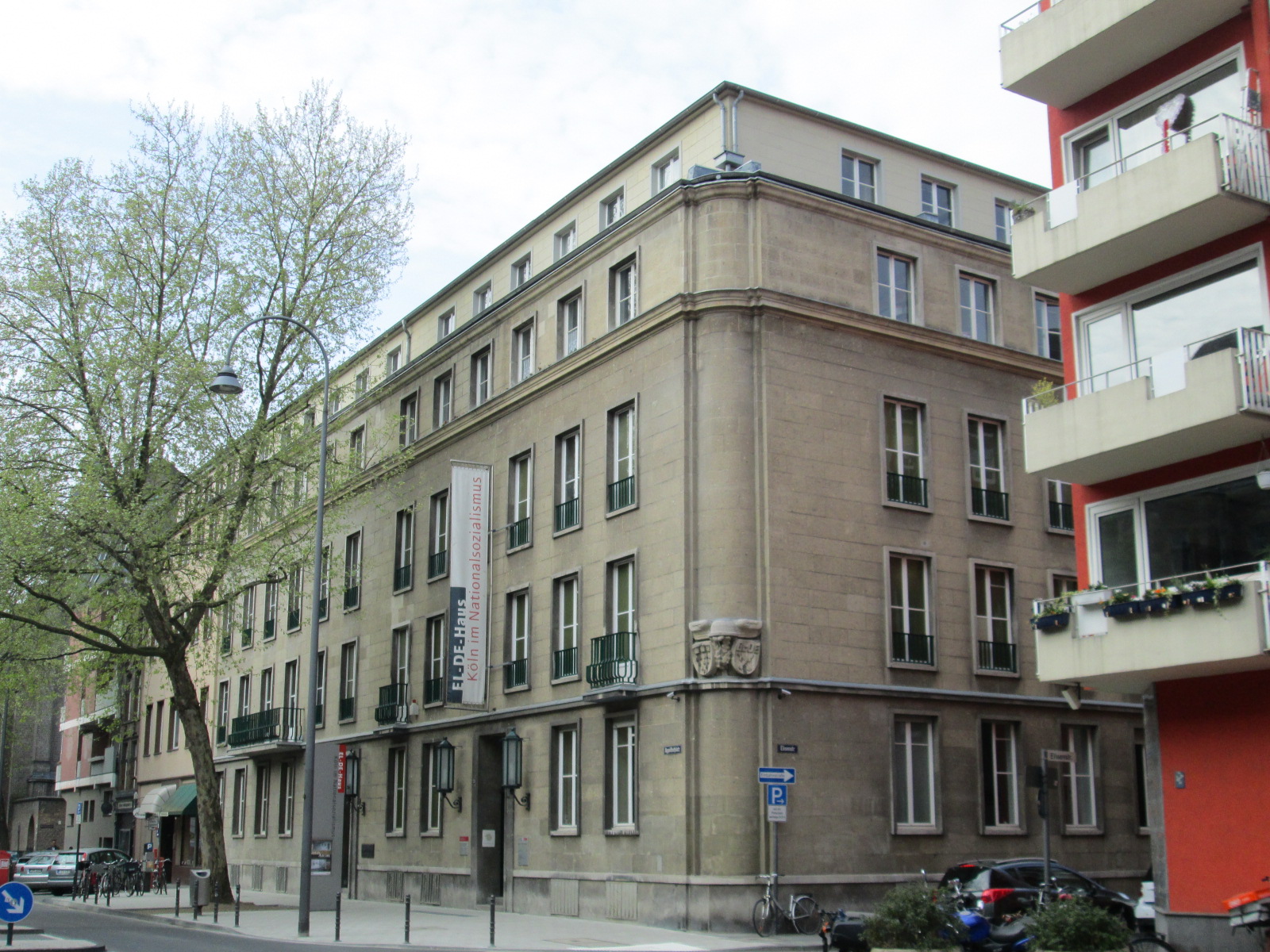
In Cologne, I stopped to visit the EL DE Haus, it was the site of the main Gestapo Headquarters. It is within these walls that the secret police imprisoned, questioned, and tortured people or interest. The Nazi’s rented it in 1934, and remodeled it so that the basement level contained prison cells. It also provided a broad history on the rise of the Third Reich to power, and those affected by their hatred. When I entered the cell-block, I started crying. You can still see the inscriptions carved into the fall, imagine the unhygienic conditions of shoving up to 30 people in the small cells. I had never been so ashamed of my species, my race called man, until this moment. How could individuals, in my physical form, commit such atrocities against each other? It’s on a level that I couldn’t even comprehend.

2013-05-07 06.19.35

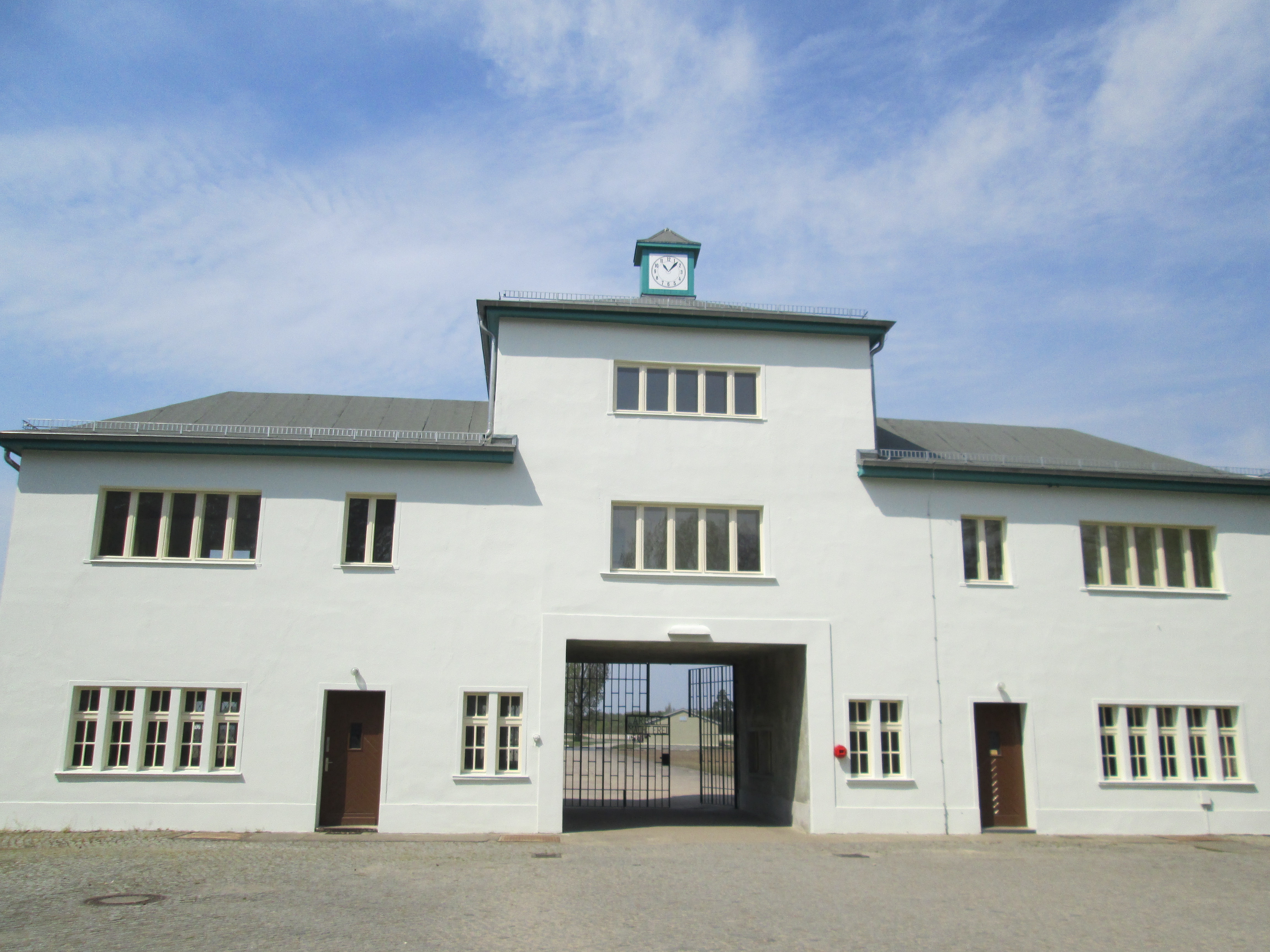
The last major stop for me was the Sachsenhausen Concentration Camp, it was the model camp for all future camps because of it’s equilateral triangular layout, so designed that the main guard tower, ‘A’ was the tallest building, and could thus see everything on the fields. Furthermore, it is here that the ‘death squads’ were trained – the commandant Rudolf Höss of Auschwitz traced his origins here – and that the standard for prisoner treatment was developed. Primarily used as a work camp, an assortment of work details were available, examples include the boot track, the kitchen, the brick factory, the ammunitions factory. Some had much shorter life expectancies than others, and were assigned to those at the bottom of the Nazi Hierarchy list, each was identified by a different triangle on their prison uniforms. 10,000 Soviet POWS were executed at this site, they were shot in the back of the neck through a hidden hole in the wall, during a uniform measurement. Unfortunately, when the camp was finally liberated in April 22, 1945, only 3,000 prisoners on the verge of death remained, the remaining 33,000 inmates were sent on a death march by the troops the previous day before.

2013-05-07 06.20.02

Arbeit Macht Frei is a prime example of Nazi Cruelty. It means “Labour makes (you) free.” For the prisoners, it was a taunt, the regime was mocking the forced workers, It was not work that set them free, it was death, either through the work, through lack of nutrition, or the infamous station Zeid.

It was a very sobering experience. It was in Berlin, that I finally attained the sense of freedom that I have been so desperately seeking; it was like a cloud of peace and freedom settled over me. No stress, no worries, no cares, just pure bliss. Those of you that know me well will recognize that this may have never occurred in my lifetime thus far. I think this is primarily due to the horrors that I have learned about; as individuals in this huge universe, it is often difficult to comprehend how meaningless the little nuances in our lives are. Yes, they are important to us on an egoistic, personal basis, but in the larger scheme of things, we are incredibly fortunate. It can be difficult for us to see sometimes, but so many of us have livelihoods that millions of people will never get the opportunity to experience. Think deeply about that.


Travel: Beethoven’s Bonn

I took a day trip to the city of Bonn, the birthplace of the beloved Beethoven. Its history dates from 11 BC when the Roman Army was stationed at the current historical center, and consequently expanded this area into a military fort in the coming centuries. More recently, it was recognized as the  provisional capital of West Germany from 1949 to 1990 before it was relocated to the current Berlin.

2013-05-02 06.31.17

The main allure of this town was Ludwig Van Beethoven. He is a composer who I have long admired, and I cannot help but admit that my favorite pieces continue to be Fur Elise and his iconic 5th Symphony.

Beethoven was born to Johann van Beethoven and Maria Keverich in 1770, although his exact birth date is unclear. It is generally taken to be the 16th of December, the date before his baptism in St. Regius, as it was a tradition for children of that era to be baptized the day after birth.

He was one of seven children, however only him and two younger brothers survived infancy.

2013-05-02 04.56.58His primary music teacher was his father, but his methodology was harsh, and as an infant Beethoven is said to have stood over the keyboard in tears. Other local teachers rounded out his musical education with violin and viola. His talent was blatantly apparent even at a young age, and his father claimed that the boy was a child prodigy, and used the age of 6 (he was actually 7) on posters advertising for Beethoven’s first public appearance.

2013-05-02 04.26.50In the years following 1779, Beethoven studied primarily under Christian Gottlob Neefe, the official appointed Church Organist. It was Neefe that helped him publish his first compisition – a set of keyboard variations, = and later obtain a fully paid employee church organist position in 1784. This was a vital turning point in the teen’s history, as after his mother’s death, his father lapsed into alcoholism, which forced young Beethoven to be the primary source of income for his family.


Beethoven officially left Bonn for Vienna in 1792; his father died shortly after this.

He died on 26 March 1827. The picture below is his ‘death mask’ it was typically in that day to remove all of the individual’s hair to save as a keepsake.

2013-05-02 05.26.11


Previous Older Entries Next Newer Entries