Travel: Mozart’s Town and the Sound of Music

My primary motivation for visiting Salzburg was to walk in the steps of Mozart. It was only after arriving that I realized that the city had also gained fame as the home of Maria Von Trapp and the location for the movie ‘The Sound of Music.’ As such, my day was filled with musical melodies and dancing magic.

2013-05-21 03.23.452013-05-21 02.53.56

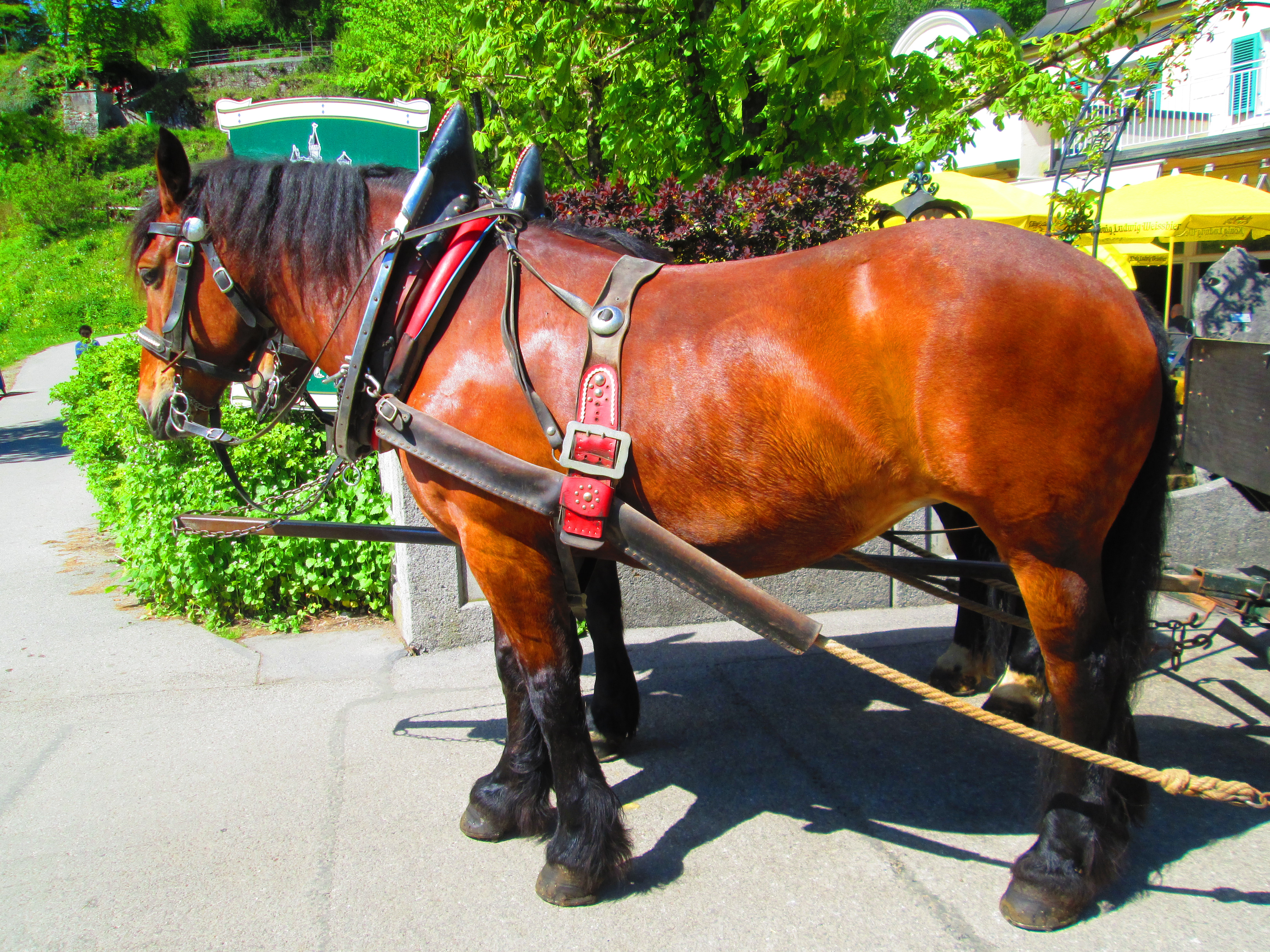
First stop was at the Mirabell Palace. Although I couldn’t go in, I enjoyed walking amongst its meticulously landscaped garden, and dancing around the Horse Fountain (Do-Re-Mi Scene). The building was constructed in 1606 at the behest of Prince-Archbishop Wolf Dietrich Raitenau according to Italian and French models for his mistress. He was deposed in 1612, and during this era, the palace received its current italian name, bella meaning ‘Amazing’ or ‘Wonderful’. Subject to much remodeling through the years, its current  neoclassical appearance dates from about 1818.

2013-05-21 03.48.22

Next, I visited the birthplace of the only Wolfgang Amadeus Mozart. If you don’t recognize the name, then I am no longer your friend. 😛 He is recognized as one of the most prolific and influential composer’s of the Classical Era. As a child, Mozart showed prodigious ability; He was competent on Keyboard and Violin, and regularly composing pieces and performing for European Royalty from the age of five. Eventually, he grew restless, and was dismissed from his Salzburg position while visiting Vienna in 1781. It is in Vienna where he spent his final years composing some of his best-known symphonies, concertos, and operas.

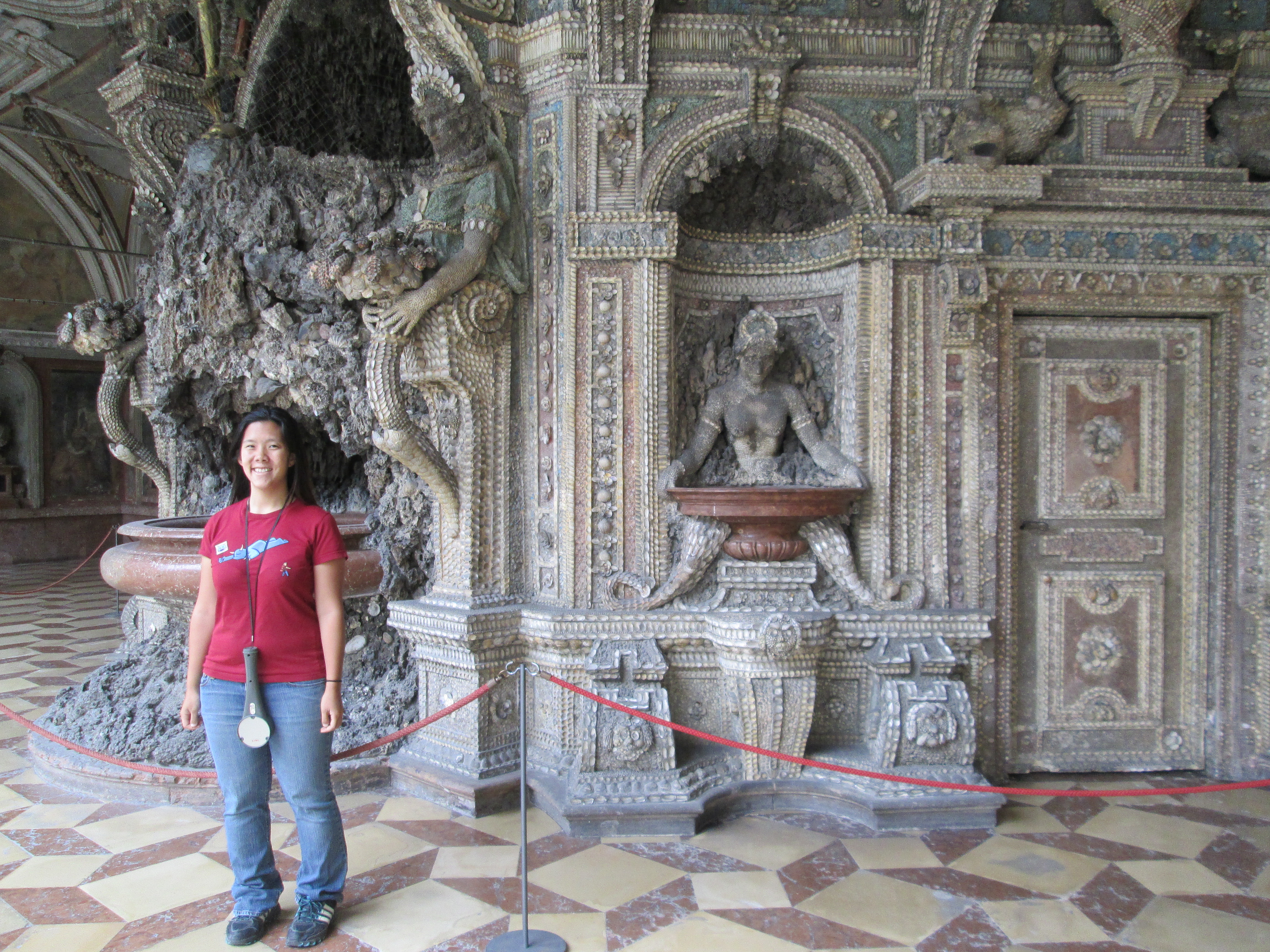
Last on the list for my meandering day was a stroll through the Hellbrunn Palace. The Schloss is best known for its jeux d’eau, the magical fountain filled with unexpected water delights. The water-park was conceived by Markus Sittikus von Hohenems, an individual with a keen sense of humour who employed practical jokes, which were performed on guests. I personally was incapable of avoiding these deviously hidden mechanisms that would sprout water up through seats and overhead when least expected. Water-pressure also allowed for ingeniously designed mobile figurines, best illustrated in a musical-playing theatre that was built-in 1750. There was always one location where the Archbishop would stand or sit, that was protected from water.

2013-05-21 07.23.292013-05-21 07.22.45

So, I know the pictures here look the same. but if you look closely between the two, you will notice an extension and retraction of the face’s tongue. This is achieved by a small pail mechanism, that when filled, lowers the jaw, automatically extending the tongue. Once emptied, it retracts, and the process repeats.

2013-05-21 08.04.20

I stopped by the Glass Gazebo on my way out to relive the ‘Sixteen going on Seventeen’ moment from the movie.

Travel: Guten Tag Salzburg

Leaving South Germany, I returned to Austria and the city of Salzburg, home to the classical composer Wolfgang Mozart, but made infamous by the movie Sound of Music. It took me a little longer than usual to get my bearings after checking in; I was also generally indecisive about my wardrobe options given the contrasting weather report and what I was witnessing outside. Eventually, feeling optimistic, I opted for a sundress and light cardigan (as you will see in my pictures); this proved to be an unfortunate choice, we will get to that reason later.

2013-05-20 06.03.23


Nonetheless, I enjoyed a leisurely stroll through the beautiful city, capturing a multitude of scenic views on my way, while simultaneously absorbing some sunshine. At the base of the mountain, I had the option to be lazy and take the funicular up, or hike 20 mins to the castle. Seeing how I am asian and enjoy conserving money that is better spent on quality food, not to mention the warm weather, I opted to complete the climb.

2013-05-20 06.03.44

At the top of the hill lies the Hohensalzburg Castle, more commonly called the Salzburg Fortress. Construction began in 1077 under Archbishop Gebhard von Helfenstein. During this period, the Archbishops of Salzburg were powerful political figures, which necessitated expansion of the castle in order to protect their interest. Most notably, Gebhard’s conflict with Emperor Henry IV during the Investiture Controversy.

2013-05-20 06.08.15

The fortress only came under siege once during the German Peasants’ War in 1525. A group of miners  farmers, and townspeople attempted and failed to oust Prince-Archbishop Matthaus Lang.


Notable Historical events further include:

  • Death of the deposed Archbishop Wolf Dietrick von Raitenau while imprisoned here.
  • Surrender to French troops during the Napoleonic War of the Second Coalition in 1800.

It was then used as a barracks, storage depot, and dungeon before being abandoned as a military outpost in 1861.

2013-05-20 08.03.13

As I this hill also contained the Nonnberg Abbey, I opted to head in this direction as I left the castle. Unfortunately, dark and ominous clouds encroached on the sky. Believing it would rain as the weather forecast predicted, I was prepared with an umbrella. Therefore I continued to amble along the cobblestone road.

2013-05-20 08.30.58

Turns out, that it did not rain as anticipated; Rather, it started to hail. First, the torrents came down as small pebbles, however they immediately progressed to index-nail sized rocks. It was at this point that I used my better judgement to wait out the hail-storm under a bridge. The wind also picked up, and my think cardigan and skirt did not quite provide the necessary insulation. Hail finally gave way to rain, and rather than continue to be miserable and cornered, I completed the rest of the walk to the Abbey.

2013-05-20 09.13.04

Alas! I was unaware that we were only able to visit the church. Nonnberg Abbey is known to be the abbey at which Maria August Kutschera was a postulant after World War I. It is her life that was the basis for ‘The Sound of Music’ film.

In the short time it took me to meander a circuit around the pews. The sun re-emerged scattering light and warmth across the garden. What strange and unpredictable weather!

Travel: Munich (Part II)

I apologize. At this point in my travels, the wanderlust has worn off and a sense of ennui has caught up with me. Hence, today was a lazy, hazy day. I had little motivation to cram as many events into my day as possible, therefore I slept in late, and meandered through town at a leisurely pace.

2013-05-19 04.46.13

First stop entailed a short visit to the Cuvilliés Theatre, which lies within the aforementioned Residenz Complex. It was ordered by Maximillian III Joseph outside the palace after a fire destored the previous St. George’s Hall. Construction spanned from 1751 to 1753 according to the design of François de Cuvilliés in rococo style.

If you look closely at the pictures from the Residenz Interior, you will see several rooms also exhibiting the Rococo Style. It is in this theater that Mozart’s Idomeneo premiered in 1781 and Carl Maria von Weber’s Abu Hassan in 1811. The theatre was intelligently meant to be multifunctional, and this was achieved via a floor that could be lowered or raised for ballroom festivities.

Lacking in energy, despite accomplishing little, I gave myself a reprieve by immersing myself in some casual reading and a glass of hot Chai (My favorite milky tea). Finally, summoning the impetus to move, I ventured to visit, now don’t be surprise, another palace.

2013-05-19 17.56.02

The Nymphenburg Palace was the main summer residence of the rulers of Bavaria designed in the Baroque style. The visionary was the italian architect Agostino Barelli, who was comissioned by the couple Ferdinand Maria and Henriette Adelaide of Savoy in 1664. It is within these walls that King Ludwig II was born in 1845, as the great-grandon of King Max I Joseph.

2013-05-19 07.50.162013-05-19 08.32.15

While open to the public, the building continues to be home and chancery for the current Franz, Duke of Bavaria, who is head of the house of Wittelsbach. Jacobite, who trace the line of the British Monarchy through legal heirs of James II of England, he is the legitimate heir of the Stuart claims to the throne of Great Britain.

It is interesting to note however, that despite merely having a dukedom, this claim has not been actively pursued. I can’t say that I would have done the same in his place, albeit that as a ‘commoner’ I grew up with Disney Movies and imagined a happily ever after as a princess with a prince on a white horse to rescue her.

The Coach Museum:

2013-05-19 09.36.522013-05-19 09.49.44

The Porcelain Museum:

2013-05-19 10.17.532013-05-19 10.40.50

What are your thoughts on Monarchy? Democracy? I’m torn. While the medieival, monarchical period of history seems romantic, I also know that the power resulted in sever abuse and neglect of the general population. This doesn’t mean, however, that certain monarchs wielded economic and political decisions for the benefit of his people, in contrast to selfish gain by exploiting his subjects.

Travel: Bavarian Magic Castles

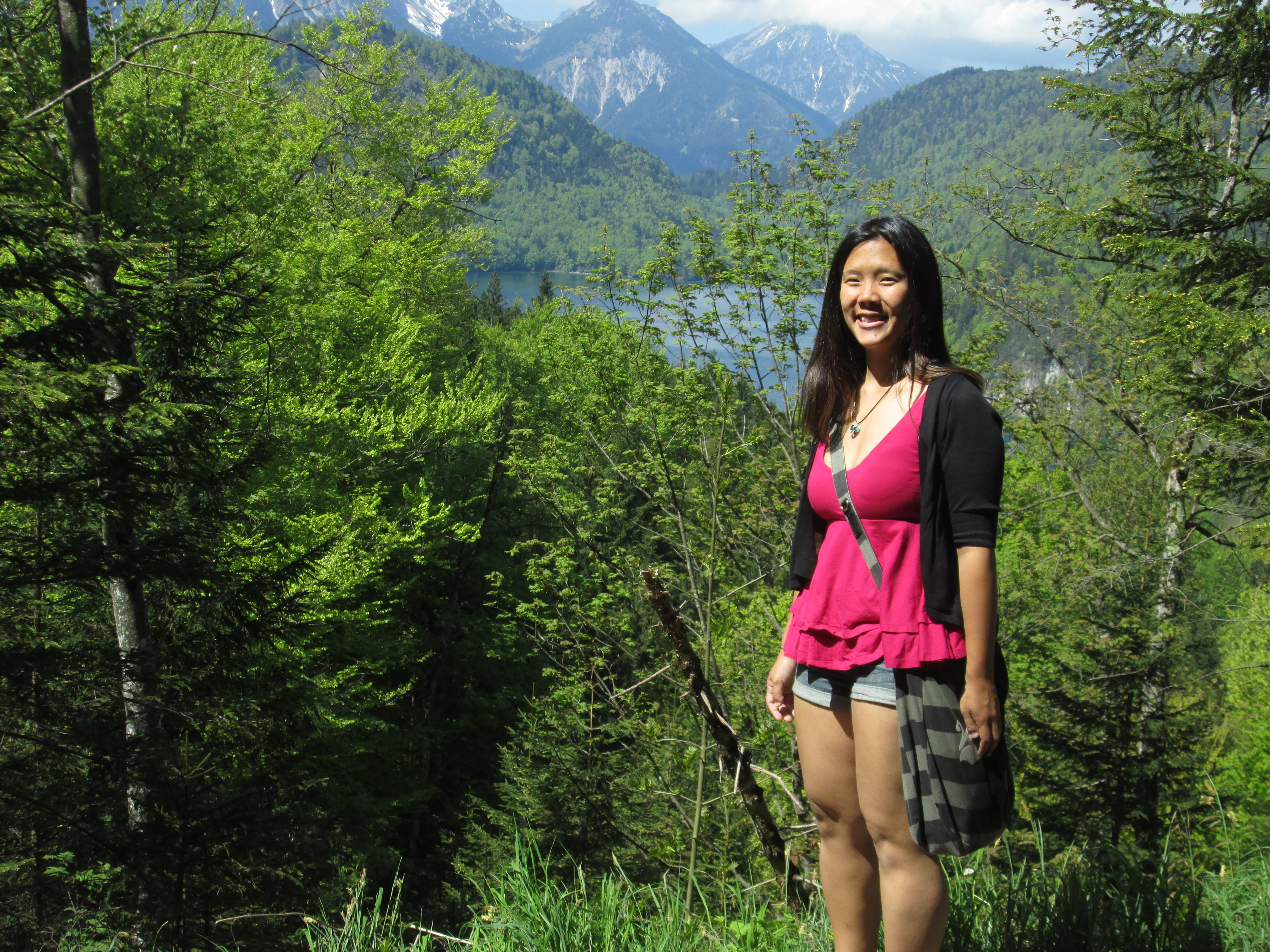
At this point in my trip, I have become increasingly uninterested in man-made structures, despite the story they tell about the daily lives of the clergy, royalty, and general population. Therefore, I took a day-trip to the heart of Bavaria; thankfully it was a gorgeous day filled with sunshine, that complemented my intense need to traipse through the natural undergrowth of the mountains.

2013-05-18 08.26.10

Modern day Bavaria comprises a large chunk of Southern Germany (approximately 27,200 square miles); this is 20% of the nation.  It originated as a duchy during the middle of the first millennium. Previously it had been inhabited by  Celts, but Bavarians began to emerge north of the alps, seeming to have coalesced out of the population remaining in the aftermath of the 5th century Roman withdrawal.

2013-05-18 04.07.46

This led way to the Duchy of Bavaria which was ruled by the house of Agilolfing from 554 to 788, before the last Duke Tassilo III was deposed by Charlemagne. In the following four centuries, numerous families held the post, but rarely did this extend beyond three generations.


2013-05-18 04.19.23

Fast-forward to the 1800s, when Napoleon abolished the Holy Roman Empire, Bavaria became a kingdom in 1806. It then preserved its independence by capitalizing on the rivalries during the 1866 Austro-Prussian War.

Eventually, Bavaria became a part of the German Empire despite religious tension between the protestant Prussian state and the Bavarian Catholic Population. 

2013-05-18 07.19.10

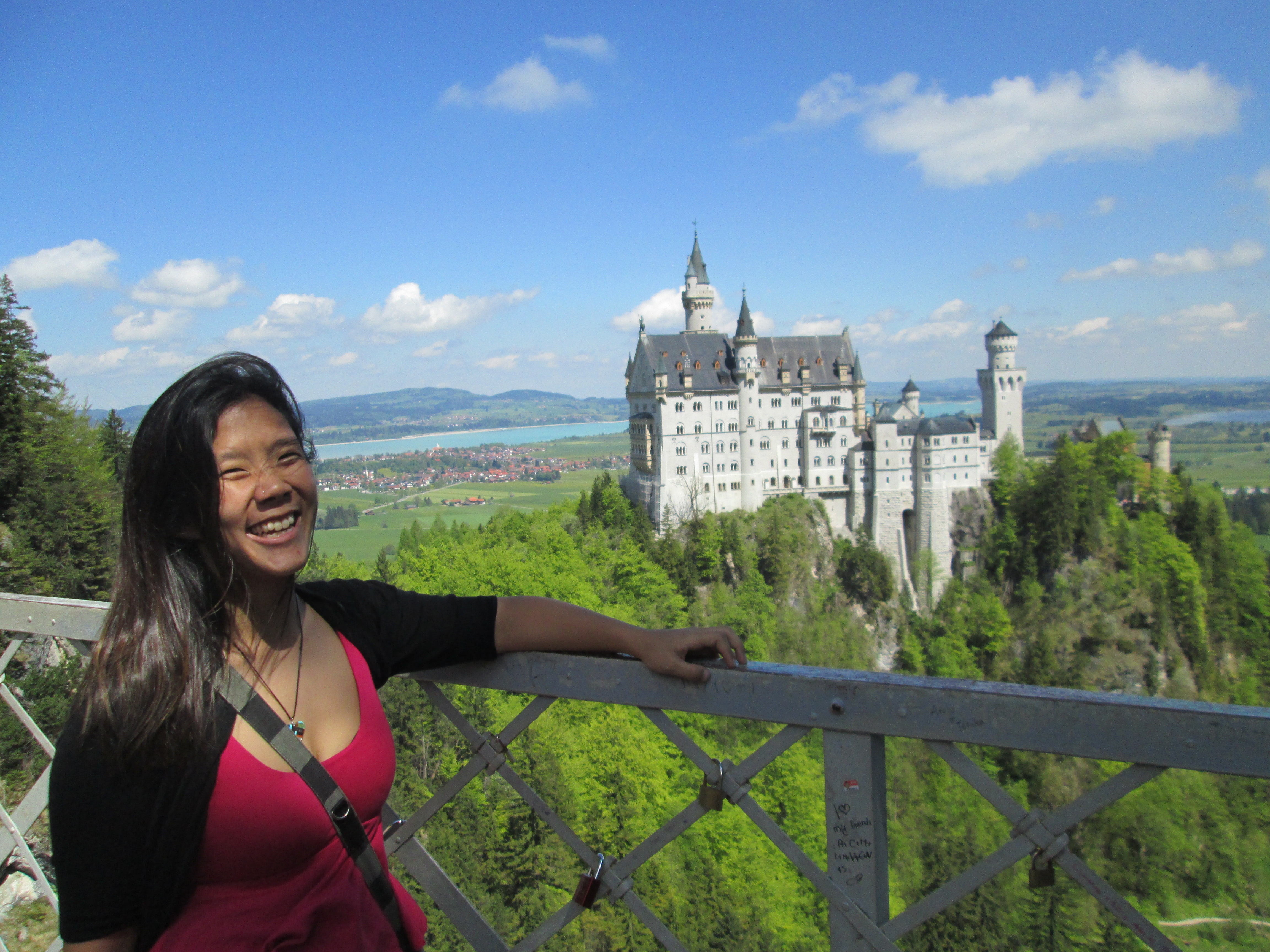
Sorry, I always let myself get overly enthusiastic about the origins and history of an area. Perhaps I should have chosen to be a history major or study anthropology or archeology instead! Nonetheless, the mountainous region was beautiful and capped off by a visit to Neuschwanstein Castle.

2013-05-18 04.33.33


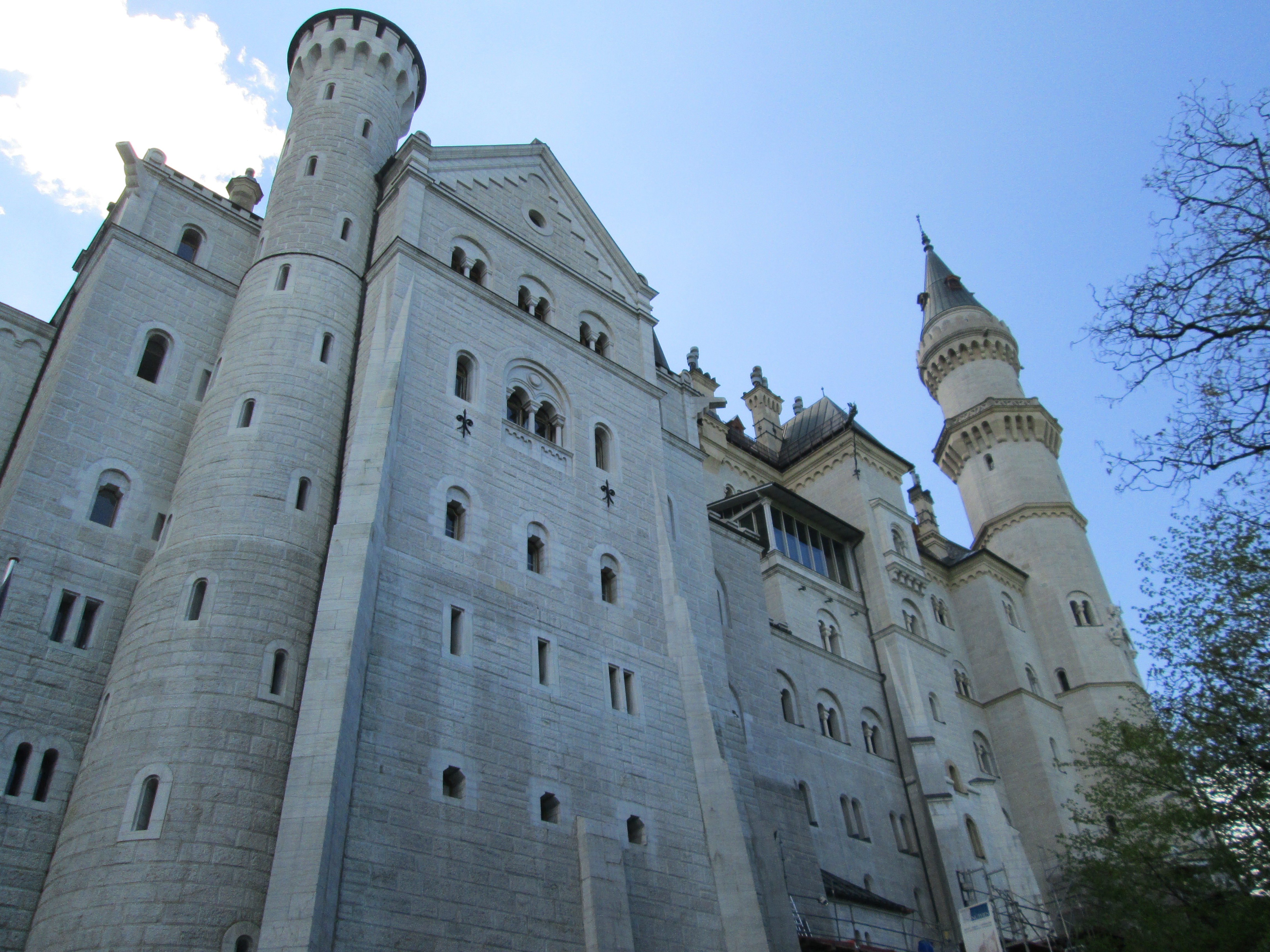
The brainchild of Ludwig II, it was designed as a  Romanesque Revival in homage to Richard Wagner. Fortunately, Ludwig paid for the construction with his personal fortune or via borrowing instead of selfishly utilizing public funds. Unfortunately, the king died before the castle was complete, and therefore many of the major features remain unbuilt to this day, with only 14 rooms finished.

The Myth:

2013-05-18 04.52.31

Ludwig II is often called ‘Mad King Ludwig‘. His younger brother Otto was considered insane, so it is claimed to be hereditary. He was deposed on the grounds of mental incapacity despite lack of medical support.

Furthermore Ludwig II died under mysterious circumstances when both him and is doctor were found dead in the waist-high water of Lake Starnberg the day after his confinement. The doctor had managed to sustain unexplained injuries to both his head and shoulder.


Travel: Munich Residenz

2013-05-17 02.14.03

Leaving Vienna behind, I bypassed my original plan of Salzburg (due to limited hostel options) to southern Germany and the city of Munich. To be honest, at this point in my travels I was sufficiently exhausted of the exhausting routine of staying at one city for a few days, hopping a train, and continuing to make my away around and across Europe. However, Munich has a medley of fascinating sights, and a few of them provided my the additional motivation needed for my enthusiasm not to dwindle.

2013-05-17 02.24.24

The primary impetus involved a visit to the Residenz; On my walk through Old Town, I was able to pass through the Karlstor (one of four medieval city gates ), gape at the awe-inspiring Town Hall (a massive gothic-revival structure that dominates the square), and enjoy the machinations of the glockenspiel.

2013-05-19 03.58.39

Associated with the intricately detailed glockenspiel is a Myth. During the year of the plague, 1517, coopers are said to have danced through the streets to, “bring fresh vitality to fearful dispositions.” This dance became symbolic of the population’s perseverance  and their continued loyalty to the duke. As a result, this dance is traditionally performed every seven years, despite the current form not being defined until 1871.

Finally approaching the Residenz, one could not imagine the mysteries that lay within its walls. It is the former royal palace of the Bavarian Monarchs. The complex contains ten courtyards and encloses 130 rooms. Original builds were constructed in 1385, and financed as a sanction for the failed uprising against Stephen III and his younger brothers. Over the centuries it has been continuously developed, and after four hundred years, practically replaces the entire former city quarter. It now includes a large variety of styles such as Late-Renaissance, Baroque, Rococo, and Neo-Classicism.

2013-05-17 07.32.132013-05-17 03.03.592013-05-17 06.43.512013-05-17 06.32.15

I didn’t nearly expect to get suctioned into a black hole of wonder and history, yet the Residenz is one of the few former palaces that have achieved this. Each room is both unique and a surprise, as the former rooms give few clues about the what architectural secrets it may contain. The work is intricately detailed, and provides a foundation upon which I could imagine the richness and allure of holding the Bavarian Crown. 5 hours later, I was exhausted, and had completely depleted any energy I had.


Travel: Vienna Churches

Despite my growing impatience for the medley of iconic religious frescoes, alters, chapels, and biblical interpretations, I continue to struggle with avoiding the visitation of churches. It is not hard to deny how intrinsically the tie into european culture; the strength of the populations devotions has deep roots with the development of heritage. As such, the following two are presented briefly.

2013-05-14 12.09.30

St. Steven’s Cathedral is an icon of Vienna, and dominates the shopping streets of the city center. It is  the mother church of the Roman Catholic Archdiocese, and the seat of the current Arch Bishop, Christoph Cardinal Schönborn. The site stands on the ruins of two earlier churches, the former dating from 1147. As a symbol of the city, it has borne witness to vital moments of Austrian History. The tomb houses the Bishops, Provosts, and Ducal crypts. Furthermore, it was only spared damage from the World War II bombings, when Captain Klinkicht disregarded orders from the city commandant to leave it in just debris and ashes.

2013-05-15 09.28.14

Interesting Fact: “The composer Ludwig van Beethoven discovered the totality of his deafness when he saw birds flying out of the bell tower as a result of the bells’ tolling but could not hear the bells. ”

The roof is multicolored, and despite its exterior having been marred black by pollution overtime, significant restoration projects have helped it regain its glossy tiled and white facade.

The Interior is a rainbow of colors that interplay with each other along the Gothic/Romanesque pillars, high spanning nave, and mass of windows. It is a current art feature, and provides a creative, modern-day take on the limestone cathedral.

2013-05-15 08.43.352013-05-15 09.38.48

I also stopped by to visit St. Peter’s Church. It lies but a few streets away, but the two couldn’t be more different. This other one reflects the Baroque style, and maintained by the priests of the Opus Dei. Despite having origins dating from the early middle ages, the current building was inspired by St. Peter’s Basilica in Rome, with construction beginning in 1701. The interior golden stucco is particularly eye-catching given how solemn and dark the interior is, due to the current scaffolding that masks the exterior.

2013-05-14 11.44.582013-05-14 11.45.31

2013-05-14 11.39.14

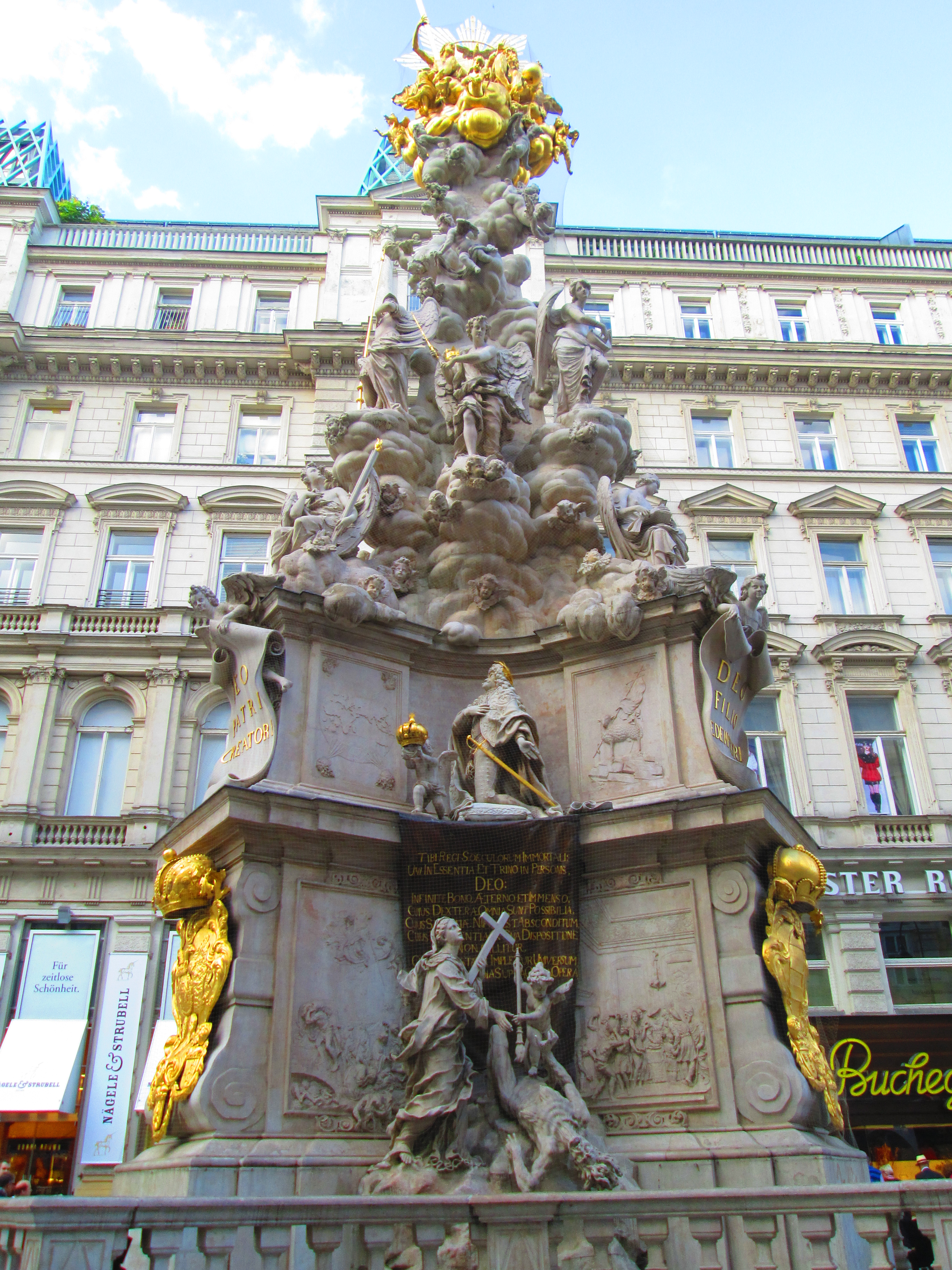
The infamous Plague Column also lies within mere spitting distance. It was designed, and installed to fulfill a vow made by  Emperor Leopold I in 1679, when he fled the plague epidemics, saying that if it would end, a mercy column would be erected in remembrance.

Travel: Hofburg Imperial Palace Complex

Within the Hofburg complex, there is a dearth of iconic buildings that provide cultural insights into classical art and Vienna culture. Despite a limited amount of time, I sought ought two of these, namely the Albertina Museum and the Spanish Riding School.

The Albertina Museum houses one of the largest and most vital print rooms in the world. The collection numbers at 65,000 drawings and 1million old master prints, including, but not limited to graphic works, photographs, and architectural drawings. The building was erected on one of the last remaining fortifications, the Augustian Bastion. It lies on the original site of the Hofbauamt, which was built in the second half of the 17th century.

2013-05-15 11.28.18

Monet – The Water Lily Pond

2013-05-15 11.34.31

Henri-Edmund Cross – Les Petites Montagnes Mauresques

I readily enjoyed the large collection of impressionist painting which was comprised of the works of Monet, Van Gogh, and Cezanne. This period of artistic expression is by far one of my favorites. Impressionism uses blatant, yet subtle thin brush strokes, and emphasizes a picture of a moment. Each painting is incredibly textured and you can feel the hardened ridges of oil paint on the canvas, and the movement behind the artist’s bold, aggressive composition. Ordinary subjects are made extraordinary with the play of light and shadows.

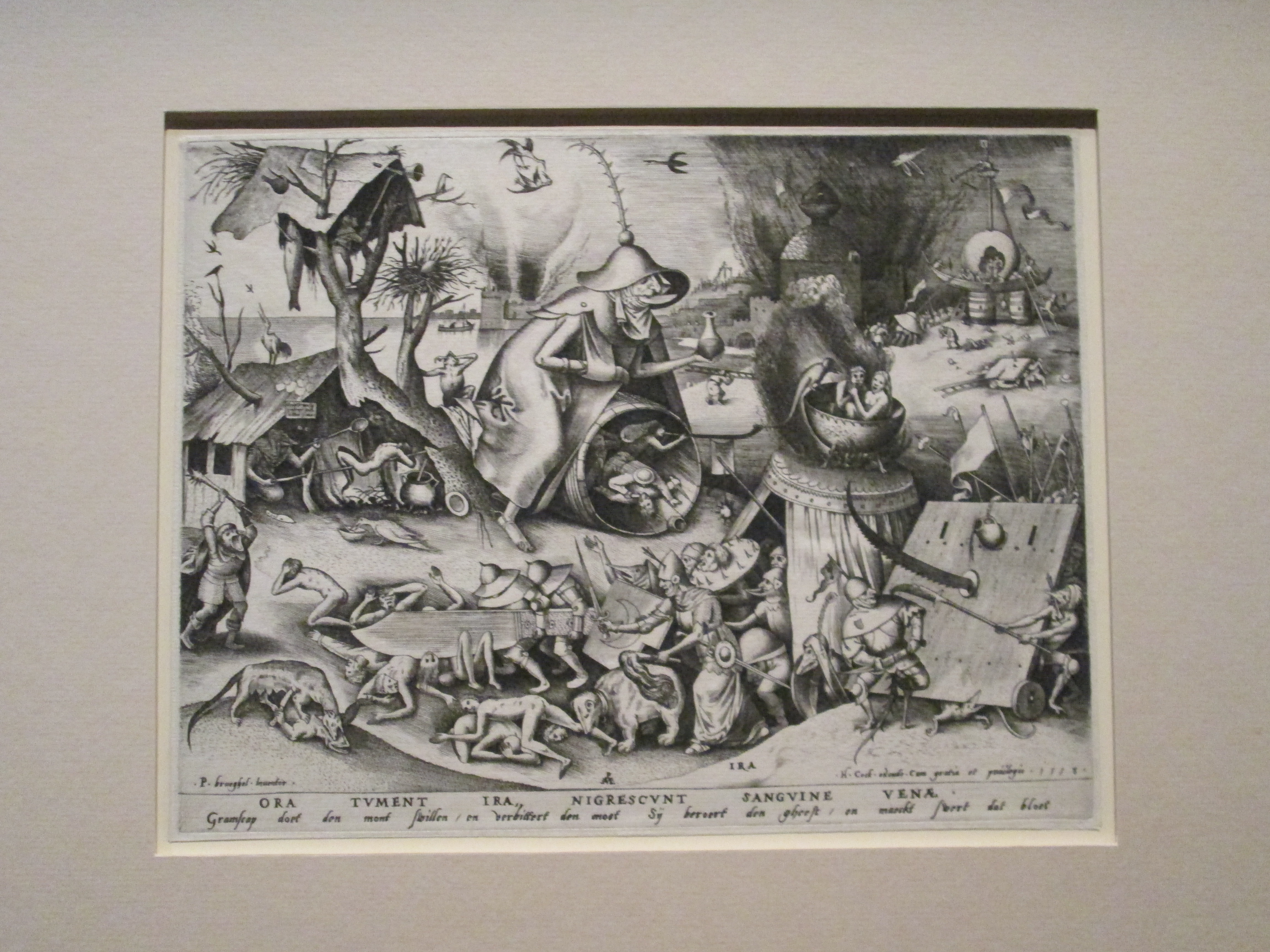
Prints are pretty self-explanatory. 😛 Detailed engravings utilized such techniques as woodcuts, and etching. These were then printed on paper, and often expressed vital artistic, historical, or social motifs of the current period. My favorite collection included a set that depicted the artist’s take, namely  Pieter Bruegel Der Altere, on the seven deadly sins. Can you guess which print represents which evil?

2013-05-15 13.00.062013-05-15 13.00.192013-05-15 13.00.452013-05-15 13.01.192013-05-15 13.01.362013-05-15 13.01.552013-05-15 13.02.09

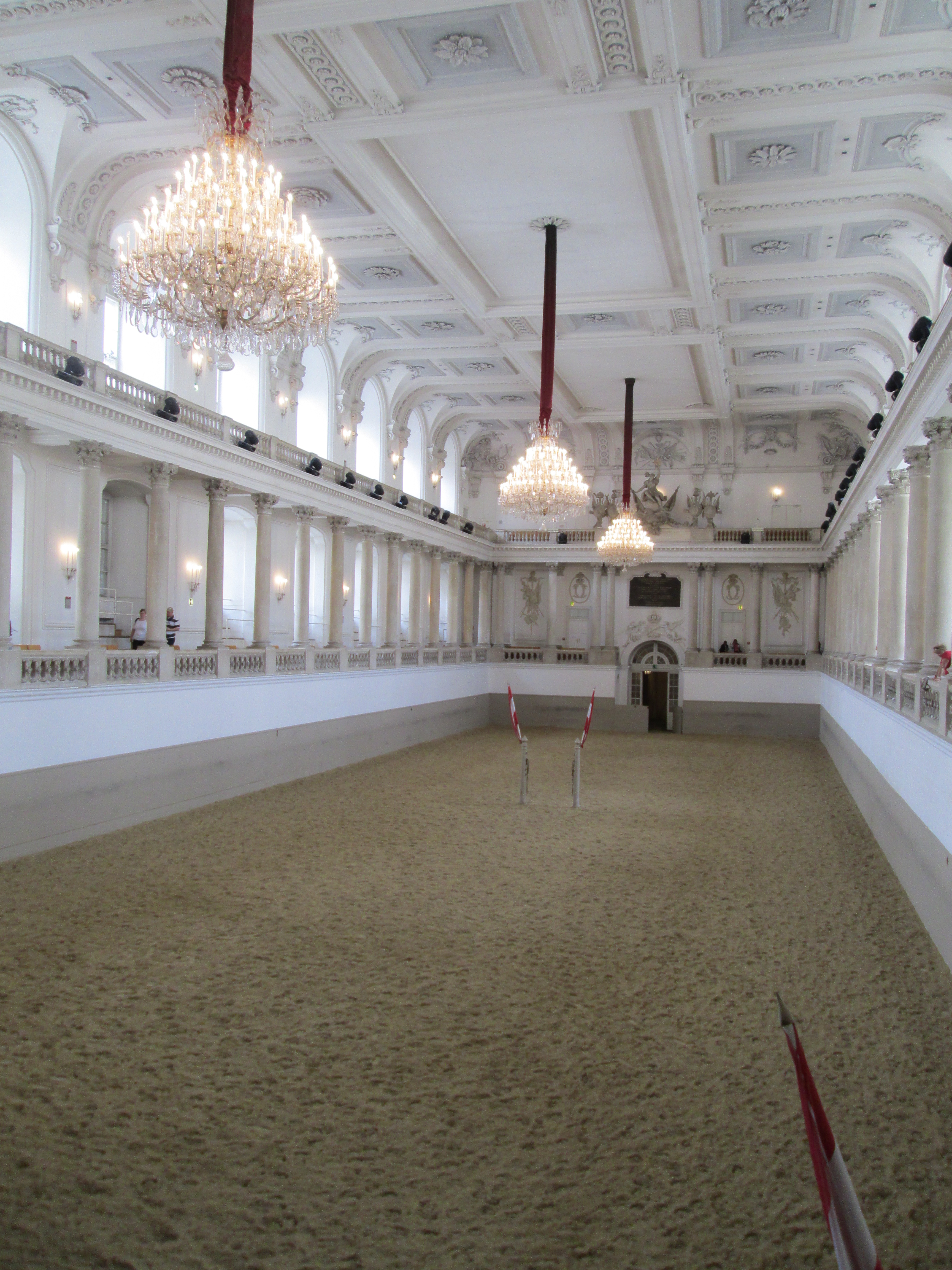
Unfortunately, due to my schedule, I was not present in Vienna during a show of the infamous Lipizzaners. As a condolence prize, I attended one of their daily practices instead, and observed how the students, and their mounts achieve harmonious precision. It was far duller than I planned :/. The majority of the two hours involved a trio of riders, exercising a rotating trio of horses in choreographed steps, and typical gaits, around the floor. I kept thinking that some more coordinating and fancy tricks would be put into action, but this was far from the case. Two hours later, I was only using half my attention, and multi-tasking via my Kindle.

2013-05-16 05.29.172013-05-16 05.39.45

The highlight however, was watching the horses being led by the groomsmen from the stables into the ring. They are an absolutely gorgeous and majestic breed that date from the 800 A.D. It emerged as a powerful, yet agile horse in the 16th century, and became increasingly fashionable for the emerging prevalence of riding schools. In 1920, the Piper Federal Stud was selected as the main stud for the Vienna horses. Breeding is thus very selective, and only proven stallions can stud with mares that have passed rigorous performance testing.

I absolutely LOVE the grace and power you can sense within these majestic beats. It is hard to miss the noble air with which they hold themselves. A long time ago, it was my childhood dream to be a horse jockey or own a dude ranch, living the simple life in the mountains of Montana.

Travel: Palaces of Vienna

Finally summoning the willpower to leave Prague, I found myself in the capital of Austria. As home to Sigmund Freud, and a history of providing philanthropic support to inspiring composers, Vienna is indeed the ‘City of Dreams and Music.’ It is hard to miss the beauty of its streets, as merely a stroll down any avenue will greet you with gorgeous architecture, baroque décor, and green landscapes.

I never considered myself ‘Palaced-out’ until I visited Vienna. The city has enough imperial palaces to satisfy the requirements of a minor ‘Disneyland’. As such, I averaged a royal residence a day, and each had its own unique quirks. Though I will admit, my enthusiasm has begun to wane in regards to both palaces and churches.

2013-05-14 02.10.37

My first visit commenced at the Schönbrunn Palace, as it was within easy walking distance of my hostel. It consists of 1,441 rooms designed in the  Rococo Style.  Once again, as in the case of Versailles, it originated as the court’s recreational hunting ground on an estate that was purchased the Holy Roman Emperor Maximilian II in 1569.

A mansion named Katterburg was subsequently erected, and then an Orangery added on by Eleonora Gonzaga, wife of  Ferdinand II in 1643.

2013-05-15 04.36

The next palace was the Belvedere Palace complex. Prince Eugene of Savoy purchased a sizable plot of land in 1697, and chose Johann Lukas von Hildebrandt as the chief architect. His vision was to construct a landscaped garden and a summer residence. He had to wrest the upper portion of land from imperial Grand Marshall Count Heinrich Franz Mansfeld, Prince of Fondi, by taking out a large loan secured against Stadtpalais. Thus, Lower Belvedere and Upper Belvedere became a united estate.

2013-05-14 10.35.45Vienna’s last, but most renowned palace is the Hofburg Palace, the primary residence of Emperor Franz Joseph I and Empress Elisabeth. It was a rare love match for the royal couple, despite ‘Sisi’ neglecting her duties as Empress, and spending much of her time traveling abroad. The complex itself is stunning, and incorporates many buildings, which have since been converted to accommodate museums, libraries, and theatres. This area has been the document seat of government since 1279, and the residential portion is now termed the ‘Sisi Apartments.’ Although not well respected in life, due to her indifference to participate in royal court, ‘Sisi’ was remembered fondly in her death after she was assassinated by the radical Italian anarchist Luigi Lucheni in Geneva.

2013-05-14 04.16.15

Overally each palace was unique and rested on absolutely gorgeous grounds! The architectural landscape is so elegantly crafted and detailed, that despite the centuries past, you can almost feel the royal presence strolling through the gardens.

Travel: American Nobility

2013-05-13 05.29.45

I have decided that Prague is seductive. It teases you with old medieval charm that whispers of knights in armor, damsels in distress, ancient architecture, and of course, unhygienic conditions, shorter life spans, and social hierarchies.

For obvious reasons, I ended up extending my stay by two days for the following destinations that spoke to me of family and tradition.

I ventured in to explore the private art and history collection of the Lobkowicz Family, who holds several estates in Prague, but far less than they did a mere century ago, and the loss of this land did not occur as you might think. (Once again, No picture policy)

The Lobkowicz name spans over seven centuries of nobility; it is one of the oldest and most distinguished surnames of Bohemia. Many have held high titles or been inducted into prestigious organizations (i.e. Princes of the Holy Roman Empire, High Chancellor, Dukes of Sagan/Roudnice, and Knights of the Order of the Golden Fleece.) Their adamant support of the arts resonates at a groundbreaking magnitude even today.

Fast-forward six centuries. At the end of WWI, the young Prince Maximilian Lobkowicz was a progressive; His political background allowed him to wholeheartedly provide support for the newly democratic Czech Republic. As such, he adamantly opposed the rise of Hitler in Nazi Germany; this resulted in his name being placed on an arrest list. Fortunately, due to the deviousness of his wife, who understood the Nazi Soldiers discussing military action in her train car (they believed she did not speak German), he was able to escape to London prior to arrest when the country was occupied in March 1939.

At the end of WWII, the properties and collections were returned to the family, but it was not to be permanent. In the onslaught of the Soviet Union, the Cold War, and the encroaching dominion of the Communist Regime, Maximilian and his family were once again forced into exile in 1948.

After the Velvet Revolution of 1989, and the dismantling of Western and Eastern Europe, which were formerly split by the Communist Regime, the Czech president began the issuing of legislative acts to return all confiscated property. At this point, the duty was left to Maximilian’s sons, who had been raised in America. William Lobkowicz, a Harvard grad, and his wife, Alexandra took on this burden, relocating his family to Prague to help maintain the restoration of their estates, and the opening of doors to provide the public with access to their large collection. Unfortunately, due to the decades, the properties were quite damaged due to neglect, so executive decisions were made as to what land could be sold, in the hopes that the money would go towards preserving some of the more historical holdings. These include the Lobkowicz Palace, Nelahozeves Castle and Strekov Castle.

2013-05-13 07.19.13

Theological Hall

2013-05-13 07.23.34

Philosophical Hall

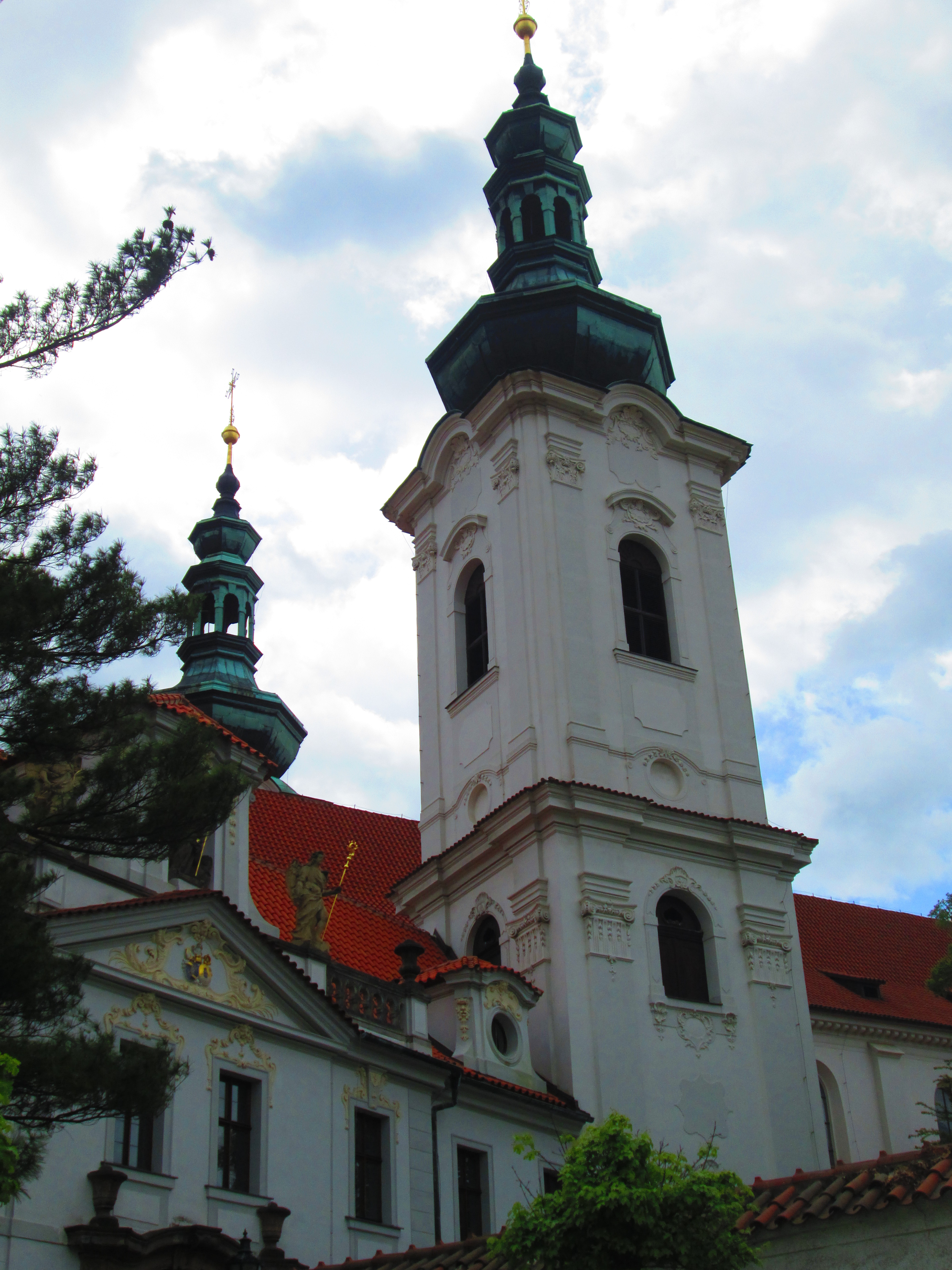
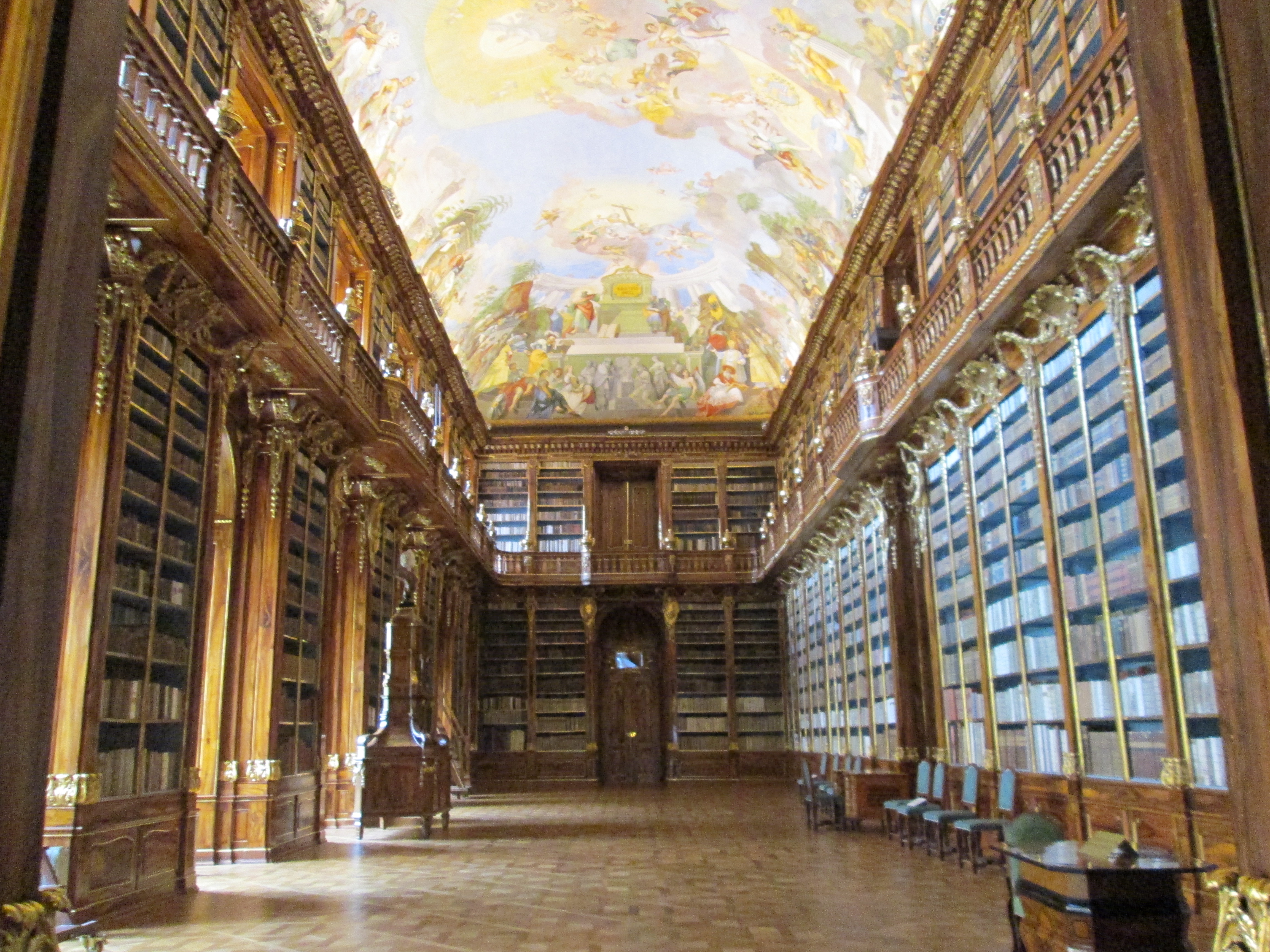
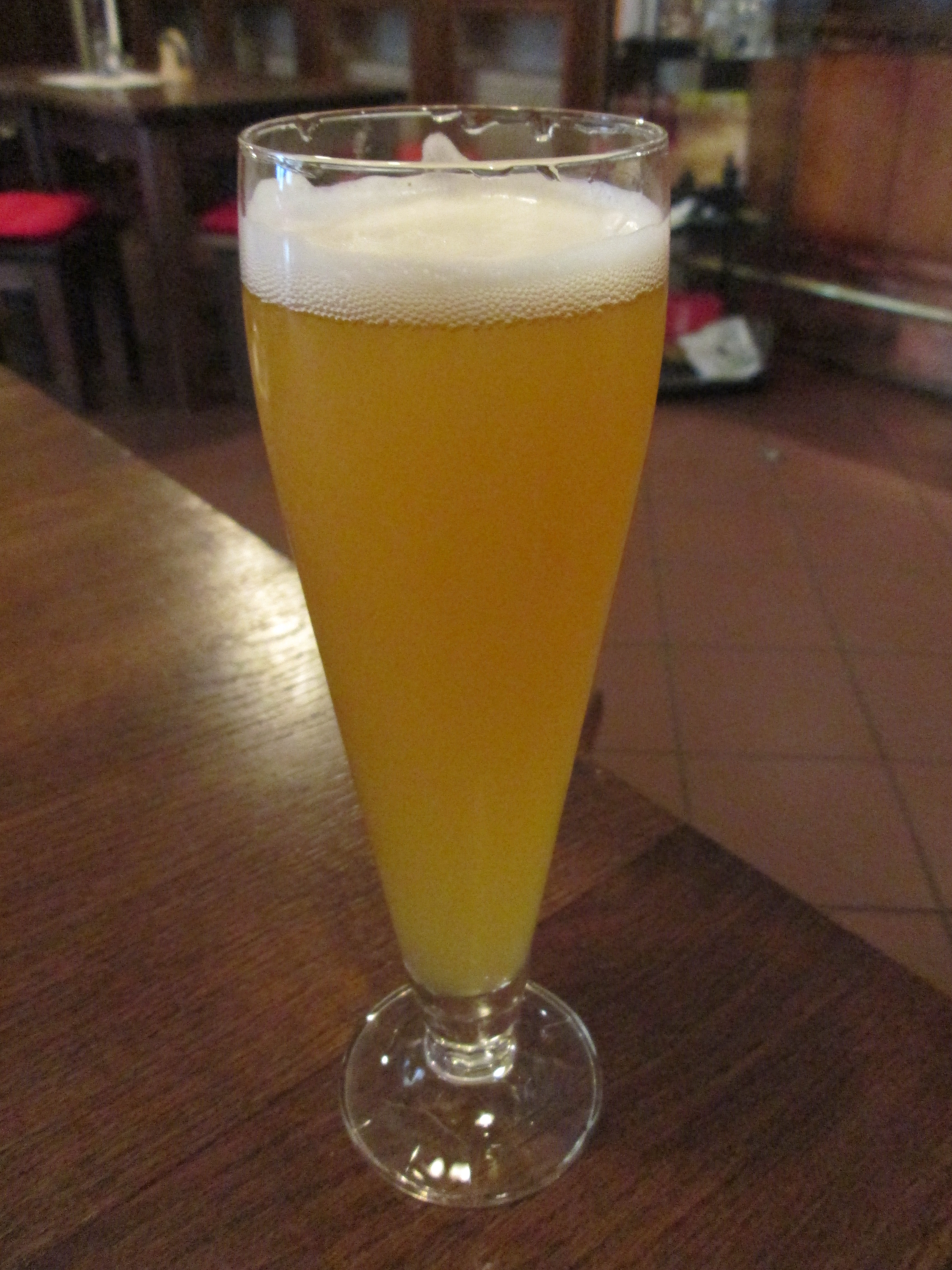
I wrapped up my day by visiting the Strahov Monastery to check out the sprawling Philosophy and Theology Halls. My final wind-down involved drinking Strahov Beer that has been brewed from the same recipe that was used centuries ago.

2013-05-13 07.49.35

Despite the struggles that the Lobkowicz Family was subject too, one can help but feel whimsical about this fairy-tale dream of American Nobility. It did materialize a bit late for it to seem like a happily ever after however. In the challenges faced during the sequential confiscation and restitution of their priceless buildings and art, three main values have steadfastly kept them determined.

  1. Family and Friends
  2. Faith and Beliefs
  3. Education

What values do you hold on to as you traverse life? How do they keep you grounded as a wholesome human being? Have they aided you in the challenges and struggles we face everyday?

Travel: Medieval Dreams of Prague

Prague, how can I even begin to describe the city that beckoned to me, the land that shimmers of fairytales, and the nights filled with good friends, appetizing beer, and laughter. This city succeeded where others have failed, she completely disarmed my strategic schedule, teasing me with her untarnished history, her colorful culture, and her people.

2013-05-12 03.54.44

This city’s origins are from the Paleolithic age. In 200 BC, the celts established an oppidum in the south, and at the end of the 1st century BC, this population was primarily composed of the Germanic Tribes. This gave way to Slavics in the 6th century AD, following the collapse of the Western Roman Empire.

Legend says that a Czech Duchess and Prophet  Slavics and her husband, Přemysl, founded this as a simple fortified fort in the year 800. They were also the founders of the Přemyslid dynasty. The first masonry beneath Prague Castle dates from 885.

This region became the seat of the dukes, and in time, the capital for the kings of Bohemia. During this time, it was elevated to archbishopric, and became a vibrant merchant city for individuals from all regions of europe. In the 14th century, Prague flourished as the third largest city and Imperial Capital of the Holy Roman Empire. During this time, under the reign of emperor Charles IV, construction of the Saint Vitus Cathedral was completed. He also personally laid the first foundation stone for the Charles Bridge.

2013-05-12 07.52.152013-05-12 03.54.01

However, the flourishing was not to last, the trade guilds became increasingly more powerful as the craftsmen deftly wielded the economy  As a result a large differentiation in social strate occurred  and the number of poor people continued to increase. You can still see remains of a fortification wall that was built, despite being unnecessary  in the 1360s to provide employment to workers and food for their families.

I like Charles IV already! He seemed sympathetic to the struggles of the commoners, and tried to alleviate their suffering during the famine. Unfortunately, He died in 1378, and during the reign of his son, King Wenceslaus IV, intense religious turmoil began to invade the city…

Previous Older Entries Next Newer Entries