Travel: Bidding Addio to Rome

Italian is an artful and complex language, it tops my  list of five languages that I want to gain fluency in,  and it is with this prose that I bid Addio to Rome. It was a long and prolonged day for both myself and my poor, ravaged feet. Despite this, I wanted to cherish the feeling of history beneath my footsteps, and inhale my final breaths of roman air.
2013-06-02 12.38.50

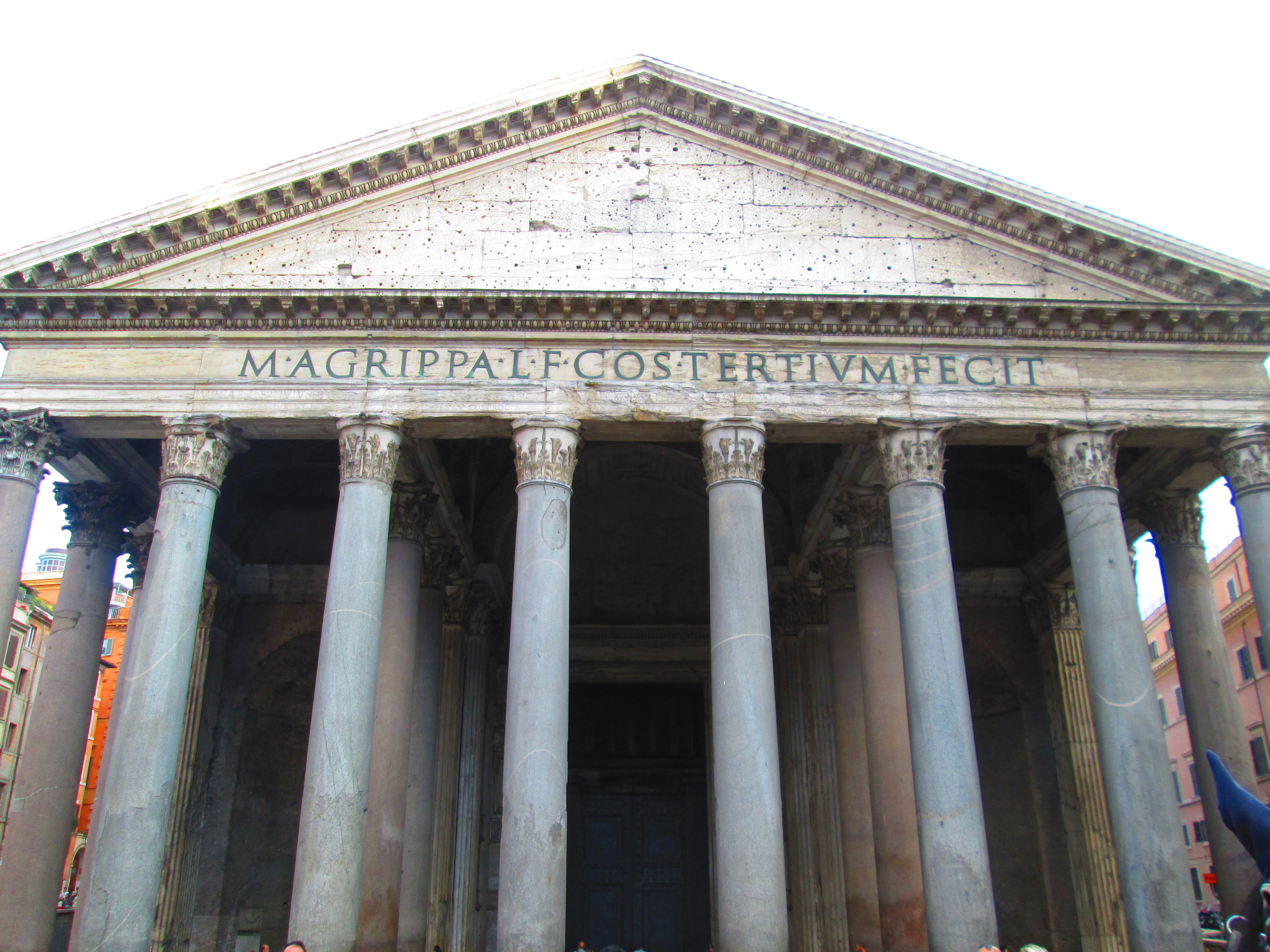
I could think of no better place to experience this, than to ponder the epic feats and legends of Ancient Rome whilst gazing at the Trevi Fountain at dusk with the sun retracting its golden rays. Fortunately (or unfortunately) I passed by the Pantheon during my stroll, I’m still not sure how this two-thousand year old structure missed my list of must-sees.

The circular building is composed of a portico supported by large granite Corinthian columns  beneath a pediment. This links to the rotunda which lays beneath a coffered concrete dome containing a occulus. To this day, this dome is still the world’s largest unreinforced concrete dome at a diameter and height of 43.3 meters (142 ft). It is from this building, that Paris’s pantheon derives its name.  The Pantheon contains the tombs of Raphael, Peruzzi, Carraci, Corelli, two kings of italy, and one queen. I will certainly have to remember to visit this beautifully preserved structure at a future date.
2013-06-02 12.46.16

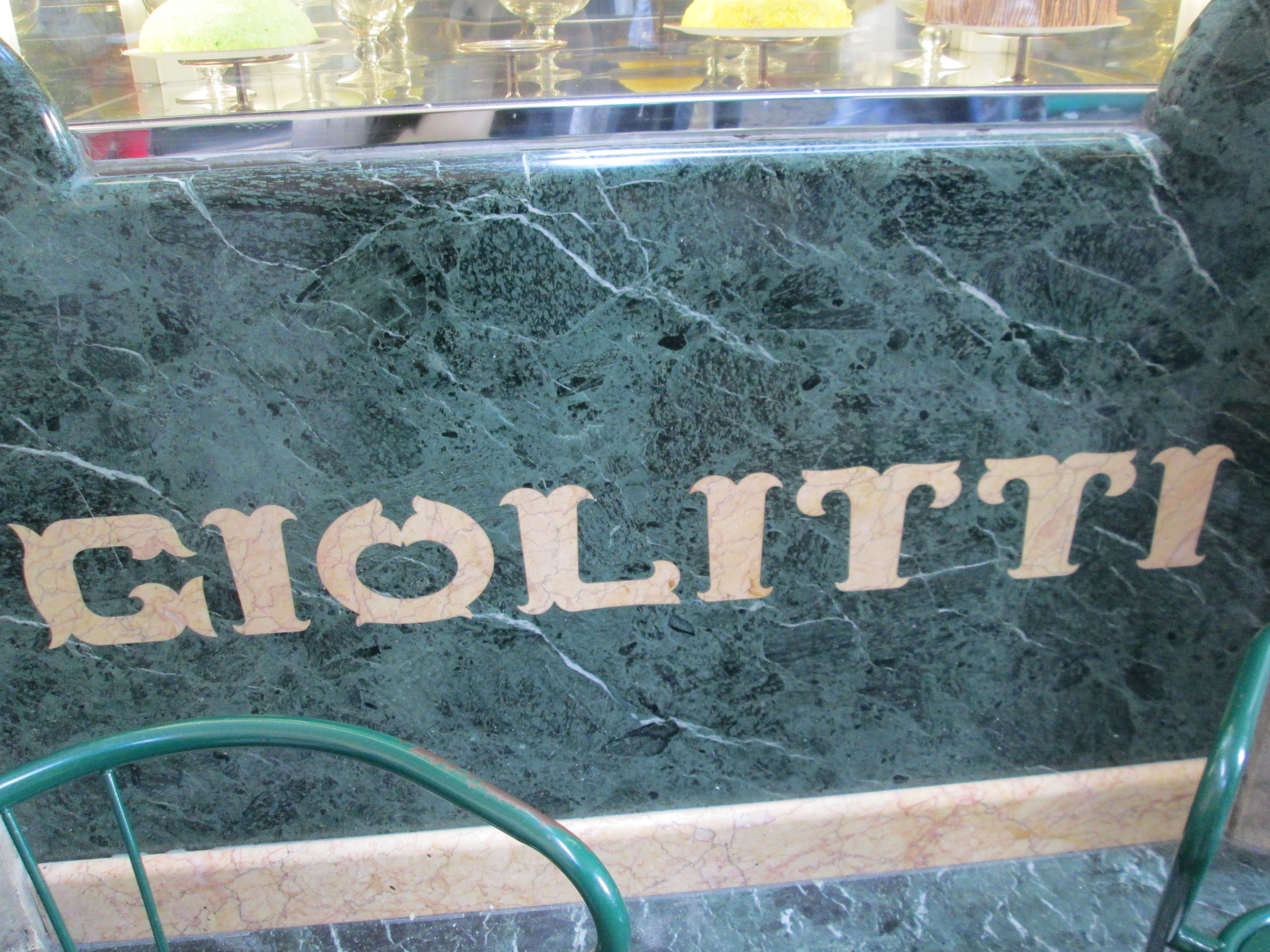
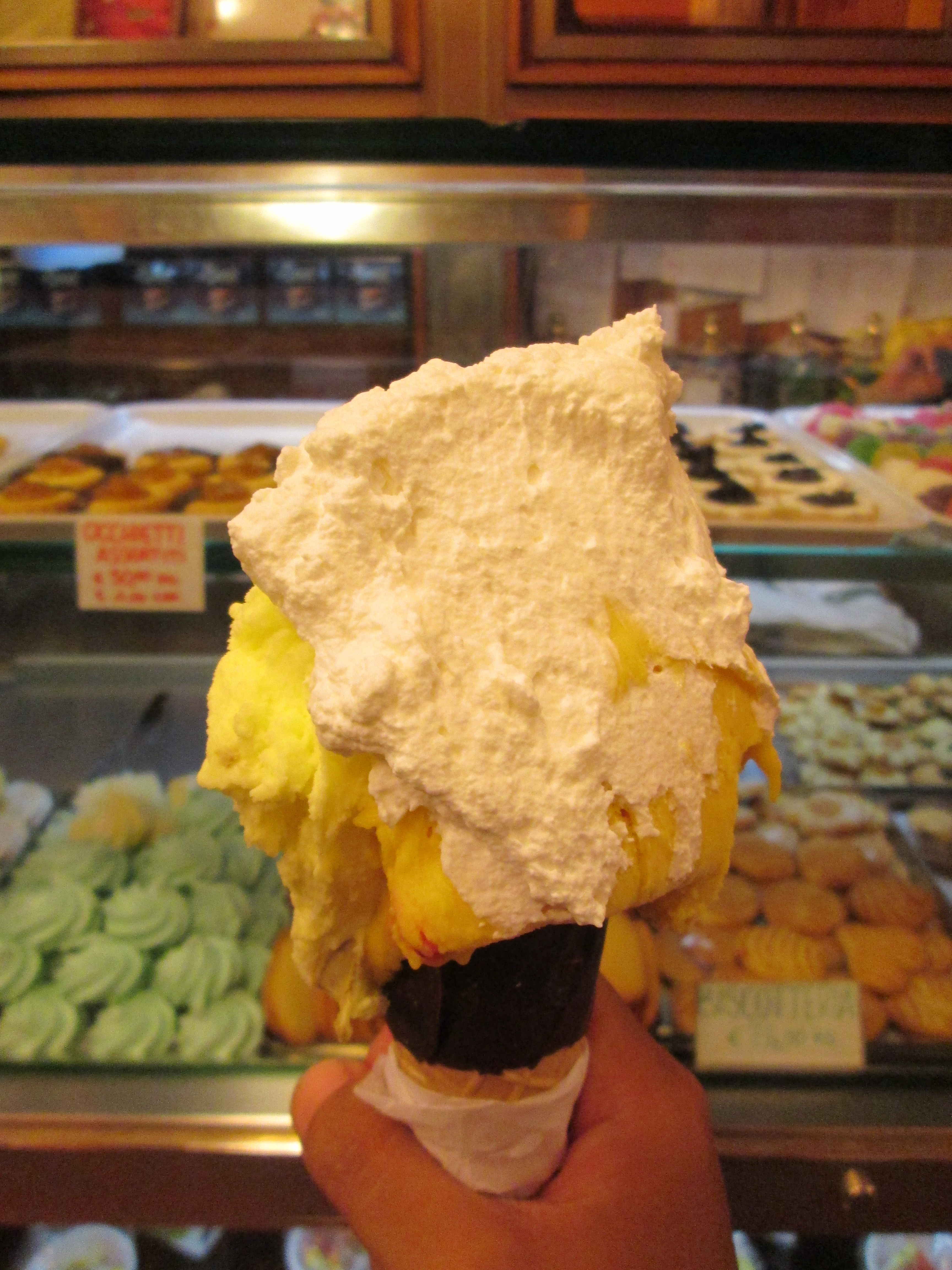
Nonetheless, I continued onwards to treat myself to some Gelato from the famous Giolitti‘s. As the oldest ice cream parlor in the city, it has been owned and run by the same family since its founding in 1890.
 

2013-06-02 12.56.13

Famous amongst tourists and locals alike, it maintains a diverse range of unique flavors, such as champagne, ricotta, and rice. Not aware of this, I opted for some more traditional choices.

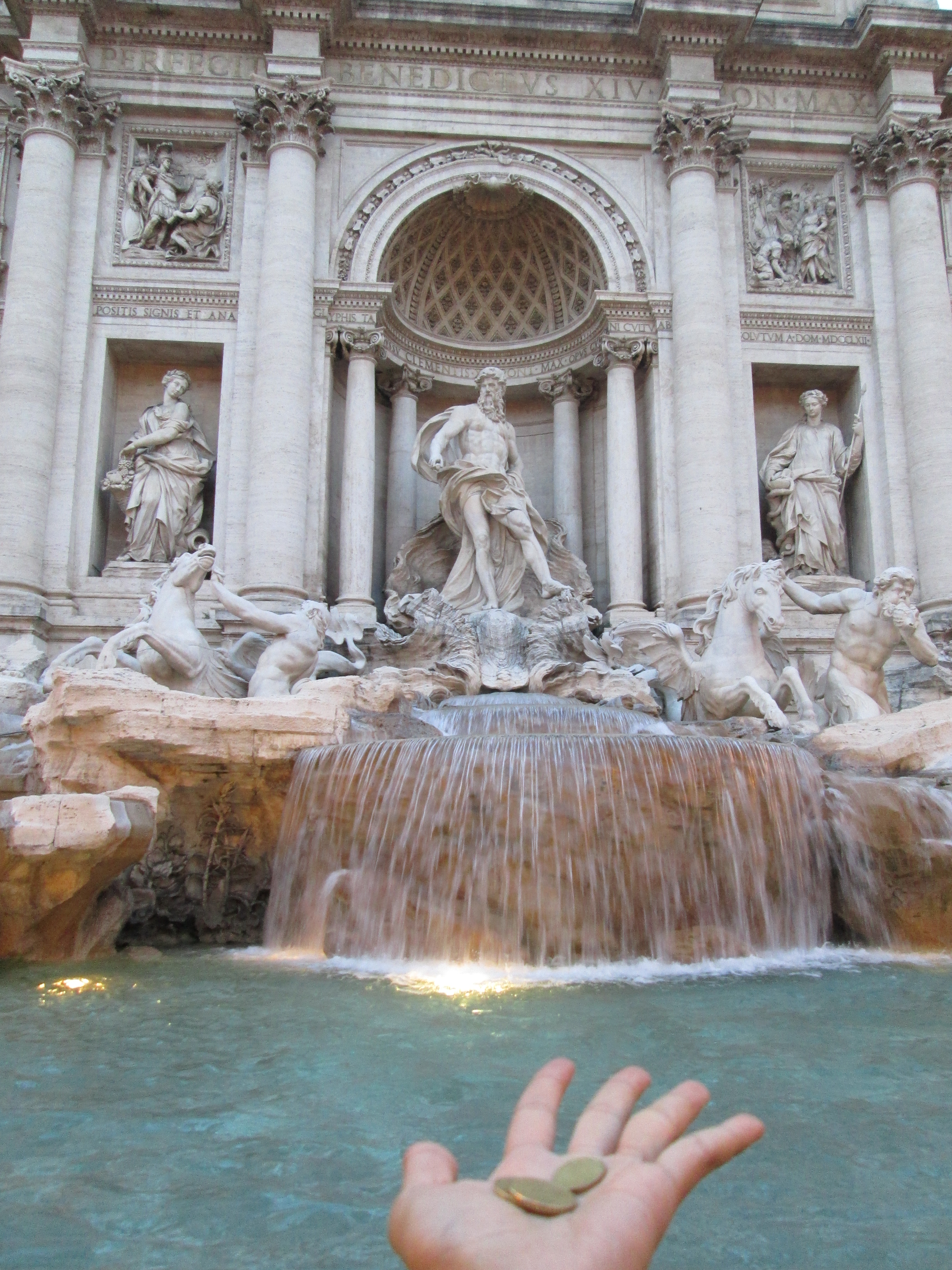
I rounded off my night by tossing a Euro into the Trevi. The tradition is to use the right hand to throw a coin in over the left shoulder.


One coin means you’ll return to Rome, two mean you’ll return and fall in love, and three mean you’ll return, find love, and marry. I wish I had known about the superstition behind multiple coins, because my love life is seriously lacking . . .
2013-06-02 13.42.21


Travel: Barbarians or Heroics?

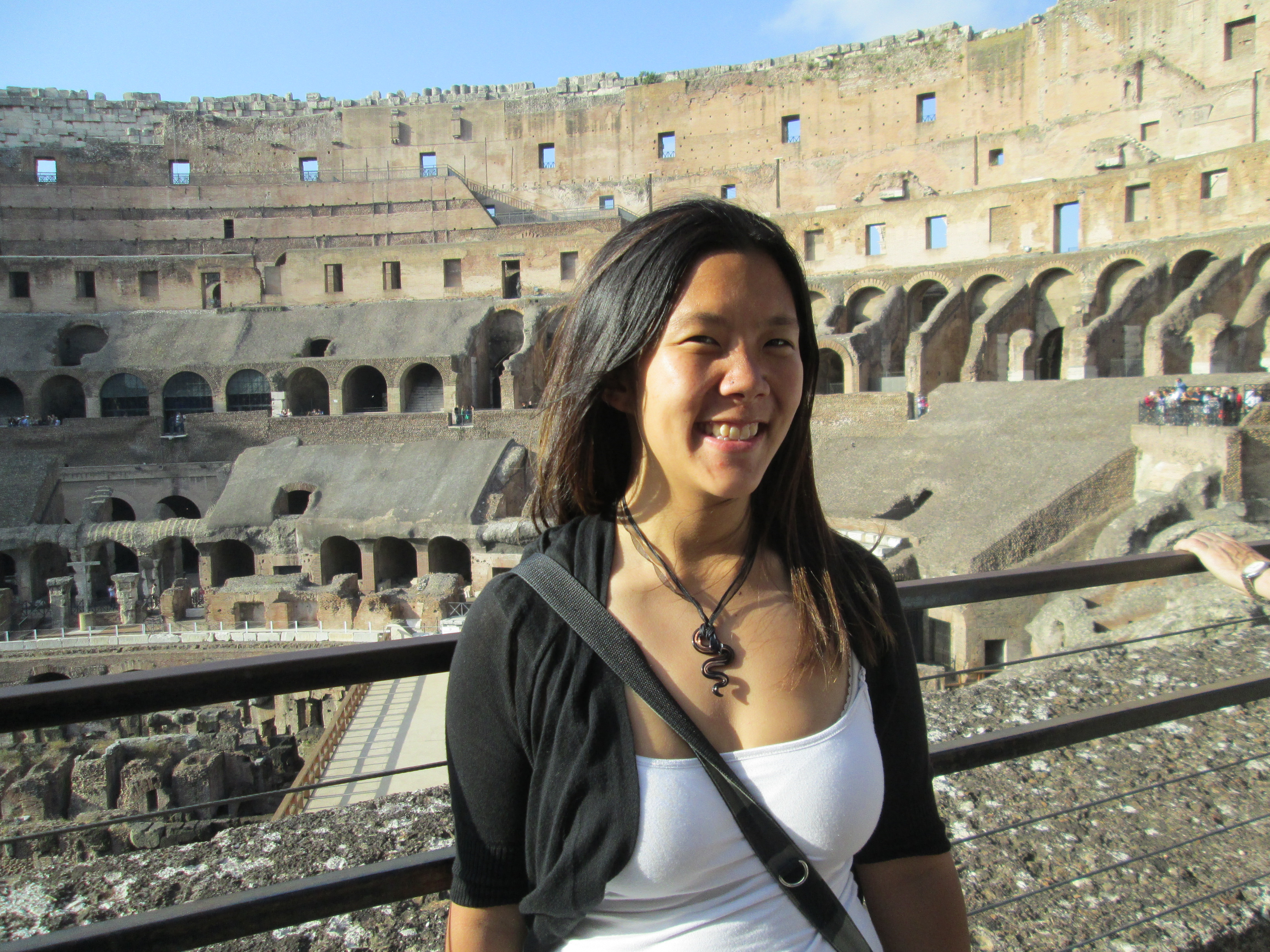
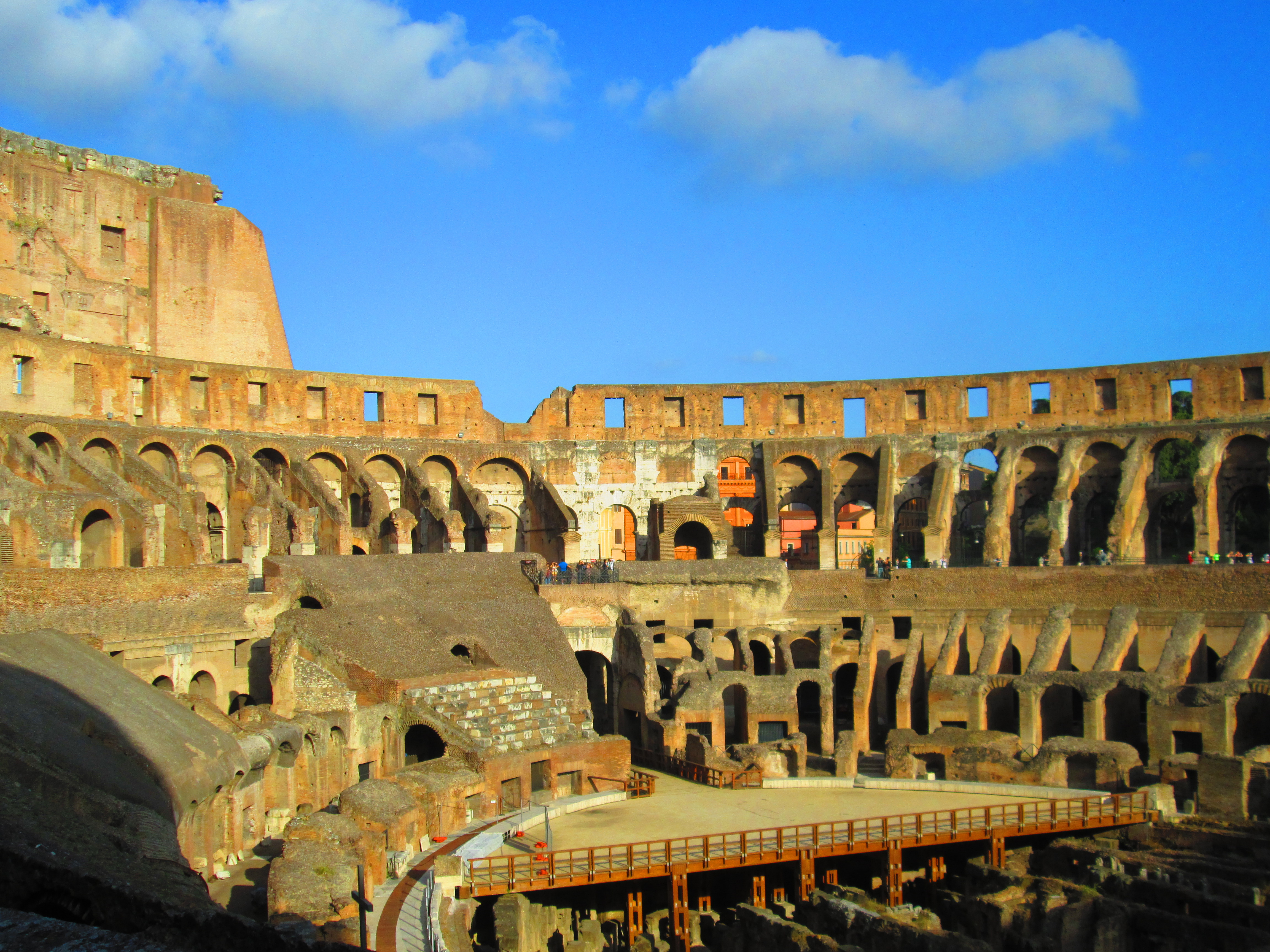
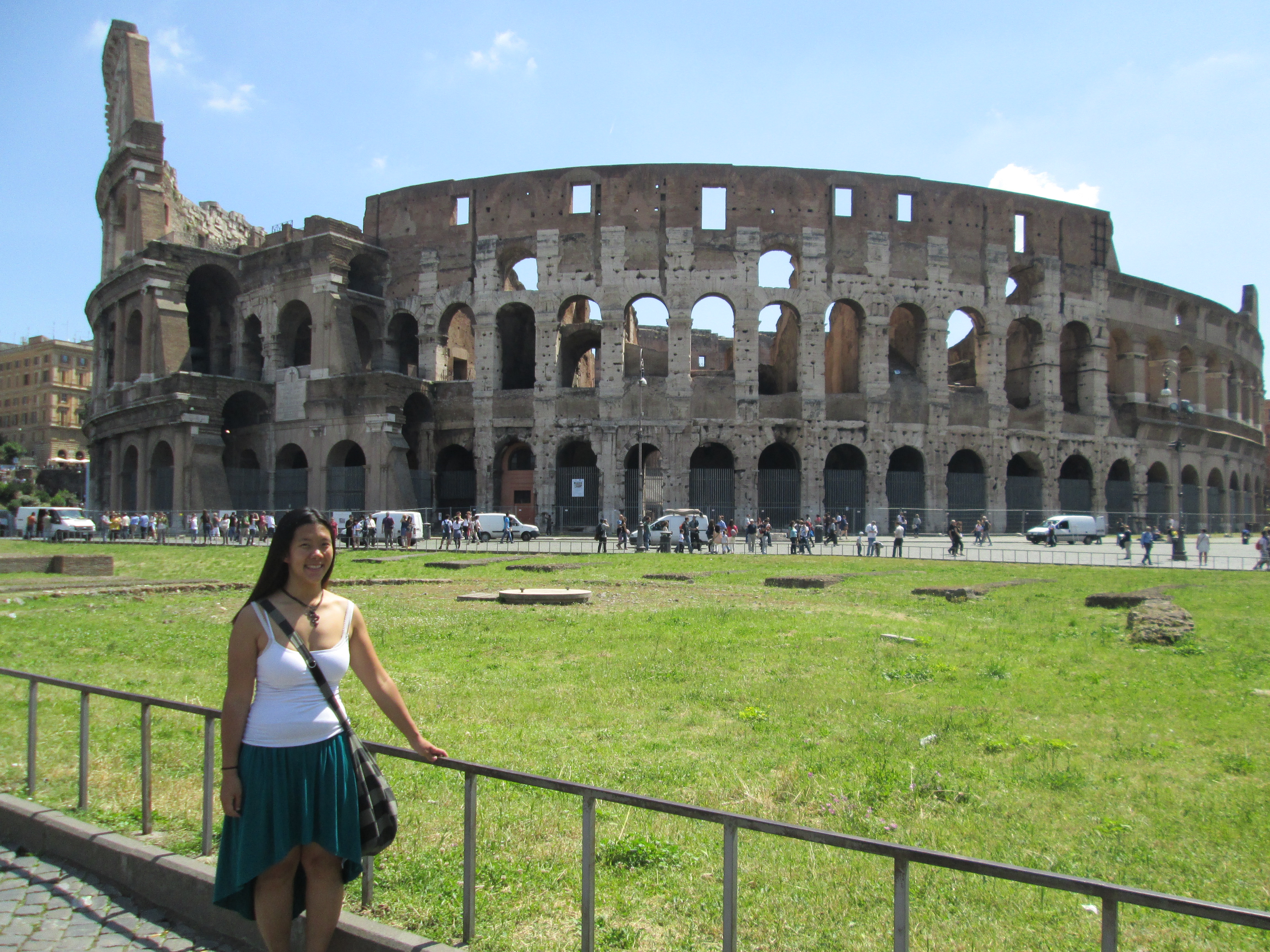
Although my muscles were silently crying tears, I made my way onwards toward the Colosseum that silently towers in the background. However, I first attempted to give my bones a reprieve by pausing in the shadows of these ancient roman giants and taking in their confident stances that have stayed steadfast despite the centuries.

2013-06-02 04.21.08

I know I’ve used this word far to often, but the first thought that comes to mind is ‘breathtaking.’ Its no wonder that it has consistently held its title as a ‘Wonder of the World.’ The structure is a monstrosity after all; built of concrete and stone, it has weathered the ages and remains the largest amphitheater ever constructed to date.

2013-06-02 11.29.01

The iconic name ‘Colosseum’ is believed to be derived from the nearby (although no longer in existence) colossal statue of Nero that was erected in bronze and towered at a height of 30m within the vestibule of Emperor Nero‘s imperial villa the Domus Aurea.

Considered a pinnacles of Roman Architecture and Engineering, it lies east of the Roman Forum and was erected during the Flavian dynasty under the reign trifecta of VespasianTitus, and Domitian.

2013-06-02 11.41.57

Shadows creep as the sun sets.

It held between 50-80 thousand spectators and was the site of gladiatorial contests and public spectacles for the entertainment of the public.

Events such as mock sea battles, animal hunts, reenactments of famous battles, classical mythological dramas, and even executions were regularly on display.

Unfortunately, it fell into disuse in the early medieval era, and was only reincarnated by necessity as  grounds for housing, workshops, religious quarters, a fortress, a quarry, and a Christian shrine. It even maintains close connections with the Roman Catholic Church, as each year, on Good Friday, the Pope leads a torchlit “Way of the Cross” procession originating from the Roman Ruins surrounding the Colosseum.

An epigram by the Venerable Bede often misattributed as a reference to the colosseum states the following:

 Quamdiu stat Colisæus, stat et Roma; quando cadet colisæus, cadet et Roma; quando cadet Roma, cadet et mundus 

“As long as the Colossus stands, so shall Rome; when the Colossus falls, Rome shall fall; when Rome falls, so falls the world”

Although the correct structure in question was the previously stated Statue Of Nero, one can’t help but consider the subtle symbology behind this statement.

The Roman’s were certainly an articulate and knowledgeable civilization that flourished for centuries despite systematic weaknesses. They knew how to effectively wield power across long distances, develop a unified army, distribute responsibilities amongst individual civil administrations, develop a system to control public finances, and maintain a class system. The empire didn’t fall in a sudden blaze of glory, but was whittled away at by circumstance, much as the Colosseum continues to lose it skeleton to greedy stone robbers.

I realize this is a de facto analogy, but it really causes one to ponder. What do you think?

Travel: In the Steps of Michaelangelo

English: Capitoline Hill, Rome. Image:Fratelli...

Before we could enter the Roman Ruins that day, my new friend and I stumbled upon the tail-end of a parade in celebration of some unknown national holiday. I’m still not clear on what it was, but I would have been thrilled if I had managed to catch sight of all the festivities. Unfortunately for us, we discovered that it delayed the opening of our attractions for the day. Rather than being open that morning, neither the Imperial Forum, nor the Colosseum were going to open until that afternoon. Instead, we took a long stroll around Capitoline Hill, one of the seven hills of Rome and the original Citadel of the first generation.

The Abduction of the Sabine Women, by Nicolas ...

It is at this site that the Sabines, were granted access by the Roman maiden Tarpeia. For her treachery, she was the first to be flung from a steep cliff overlooking the Roman Forum. Later named the Tarpeian Rock after the Vestal Virgin, it became a frequent execution site.

The first Sabines immigrated to Rome following the Rape of the Sabine Women.

You may recall an earlier post from the beginning of my trip when I went to visit the Fatima Sanctuary, the following brings to mind how individuals can be so devout to subject themselves to pain in the name of their faith. Legend says that  Julius Caesar approached the foot of the hill and Jupiter’s Temple on his knees in penance for his actions in the civil wars and to avert an unlucky omen of Jupiter’s wrath. He was moved to do so after he suffered an accident during one of his triumphs. Despite this, he was murdered six months later, and Brutus and his conspirators barricade themselves within the temple.

Excuse me, I’ve gotten a bit off track from my original topic., back to Michelangelo!

What I’ve come to love about Rome are the subtle nuances that pervade every cornerstone and recess of its ancient culture and architecture. A prime example of this is the Piazza del Campidoglio.

Michelangelo's design for Capitoline Hill, now...

In his prime, he was commissioned by the Farnese Pope Paul III to design a plaza. The Pope wanted a symbol of the new Rome to impress Charles V, who was expected in 1538. Having an opportunity to build such a monumental civic space, granted Michelangelo the opportunity to make a resonating statement reestablishing the grandeur of Rome.  His initial designs for the Piazza date from 1536 and were formidably extensive.

In an emblematic display, he chose to accentuate the reversal of the classic orientation of the Capitoline. Instead, the gesture turned Rome’s civic center away from the ancient Roman Forum  to face the direction of Papal Rome and the Christian church  represented by  St. Peter’s Basilica.

2013-06-02 05.01.33

His made a bold metaphorical statement:

“This full half circle turn can also be seen as Michelangelo’s desire to address the new, developing section of the city rather than the ancient ruins of the past.” ~In the wise words of Wikipedia

I have so much more I want to say about how Michelangelo used his ingenuity to address problems such as a sloped site and the lack of building facades facing each other squarely, however, I will leave that to your research. The structural engineer in me is trying her hardest not to bore you with devious architectural solutions.

Next Newer Entries