Travel: Getting Lost in Venice

2013-05-26 E


After we arrived back at the port, we decided to snack at this quaint little coffee shop. I had the best Prosciutto, Salami, and Blue Cheese sandwich on an Olive Bread Bun. Mmmmm. 🙂


2013-05-26 B

We then enjoyed a walk along the, for lack of a better term, ‘boardwalk’, and enjoyed a view of the Venice Lagoon and the well-documented Ponte dei Sospiri. It is an enclosed bridge made of white limestone with barred windows that connects the Doge’s Palace to the prison’s interrogation room.

The translation of the Sospiri is ‘sighs’. The ‘Bridge of Sighs’ gained its name because it was the final view of the beautiful Venice that convicts enjoyed before they were imprisoned within their cells.

2013-05-26 A

A local legend states that lovers will be granted eternal love and bliss if they kiss on a gondola under the bridge at sunset, as the bells of St. Mark’s Campanile toll.

What a contradiction! The walkway is historically associated with imprisonment and a prisoner’s longing for freedom, but over the years it has become significant for amorous couples?

2013-05-26 DOur last stop was a visit to the Grimani Palace. It was originally a residence of the doge Antonio Grimani, but was rebuilt by his heirs Vittore and Giovanni Grimani from 1532 to 1569.

Unfortunately they had much of the interior decoration was either removed or deteriorated, so I was quite disappointed by the lack of ‘Period-Escape’ provided. Photos were also not allowed, but I managed to sneak a few of some outstanding Stucco and Rococo. 😛

2013-05-26 C

Travel: Guten Tag Salzburg

Leaving South Germany, I returned to Austria and the city of Salzburg, home to the classical composer Wolfgang Mozart, but made infamous by the movie Sound of Music. It took me a little longer than usual to get my bearings after checking in; I was also generally indecisive about my wardrobe options given the contrasting weather report and what I was witnessing outside. Eventually, feeling optimistic, I opted for a sundress and light cardigan (as you will see in my pictures); this proved to be an unfortunate choice, we will get to that reason later.

2013-05-20 06.03.23


Nonetheless, I enjoyed a leisurely stroll through the beautiful city, capturing a multitude of scenic views on my way, while simultaneously absorbing some sunshine. At the base of the mountain, I had the option to be lazy and take the funicular up, or hike 20 mins to the castle. Seeing how I am asian and enjoy conserving money that is better spent on quality food, not to mention the warm weather, I opted to complete the climb.

2013-05-20 06.03.44

At the top of the hill lies the Hohensalzburg Castle, more commonly called the Salzburg Fortress. Construction began in 1077 under Archbishop Gebhard von Helfenstein. During this period, the Archbishops of Salzburg were powerful political figures, which necessitated expansion of the castle in order to protect their interest. Most notably, Gebhard’s conflict with Emperor Henry IV during the Investiture Controversy.

2013-05-20 06.08.15

The fortress only came under siege once during the German Peasants’ War in 1525. A group of miners  farmers, and townspeople attempted and failed to oust Prince-Archbishop Matthaus Lang.


Notable Historical events further include:

  • Death of the deposed Archbishop Wolf Dietrick von Raitenau while imprisoned here.
  • Surrender to French troops during the Napoleonic War of the Second Coalition in 1800.

It was then used as a barracks, storage depot, and dungeon before being abandoned as a military outpost in 1861.

2013-05-20 08.03.13

As I this hill also contained the Nonnberg Abbey, I opted to head in this direction as I left the castle. Unfortunately, dark and ominous clouds encroached on the sky. Believing it would rain as the weather forecast predicted, I was prepared with an umbrella. Therefore I continued to amble along the cobblestone road.

2013-05-20 08.30.58

Turns out, that it did not rain as anticipated; Rather, it started to hail. First, the torrents came down as small pebbles, however they immediately progressed to index-nail sized rocks. It was at this point that I used my better judgement to wait out the hail-storm under a bridge. The wind also picked up, and my think cardigan and skirt did not quite provide the necessary insulation. Hail finally gave way to rain, and rather than continue to be miserable and cornered, I completed the rest of the walk to the Abbey.

2013-05-20 09.13.04

Alas! I was unaware that we were only able to visit the church. Nonnberg Abbey is known to be the abbey at which Maria August Kutschera was a postulant after World War I. It is her life that was the basis for ‘The Sound of Music’ film.

In the short time it took me to meander a circuit around the pews. The sun re-emerged scattering light and warmth across the garden. What strange and unpredictable weather!

Travel: American Nobility

2013-05-13 05.29.45

I have decided that Prague is seductive. It teases you with old medieval charm that whispers of knights in armor, damsels in distress, ancient architecture, and of course, unhygienic conditions, shorter life spans, and social hierarchies.

For obvious reasons, I ended up extending my stay by two days for the following destinations that spoke to me of family and tradition.

I ventured in to explore the private art and history collection of the Lobkowicz Family, who holds several estates in Prague, but far less than they did a mere century ago, and the loss of this land did not occur as you might think. (Once again, No picture policy)

The Lobkowicz name spans over seven centuries of nobility; it is one of the oldest and most distinguished surnames of Bohemia. Many have held high titles or been inducted into prestigious organizations (i.e. Princes of the Holy Roman Empire, High Chancellor, Dukes of Sagan/Roudnice, and Knights of the Order of the Golden Fleece.) Their adamant support of the arts resonates at a groundbreaking magnitude even today.

Fast-forward six centuries. At the end of WWI, the young Prince Maximilian Lobkowicz was a progressive; His political background allowed him to wholeheartedly provide support for the newly democratic Czech Republic. As such, he adamantly opposed the rise of Hitler in Nazi Germany; this resulted in his name being placed on an arrest list. Fortunately, due to the deviousness of his wife, who understood the Nazi Soldiers discussing military action in her train car (they believed she did not speak German), he was able to escape to London prior to arrest when the country was occupied in March 1939.

At the end of WWII, the properties and collections were returned to the family, but it was not to be permanent. In the onslaught of the Soviet Union, the Cold War, and the encroaching dominion of the Communist Regime, Maximilian and his family were once again forced into exile in 1948.

After the Velvet Revolution of 1989, and the dismantling of Western and Eastern Europe, which were formerly split by the Communist Regime, the Czech president began the issuing of legislative acts to return all confiscated property. At this point, the duty was left to Maximilian’s sons, who had been raised in America. William Lobkowicz, a Harvard grad, and his wife, Alexandra took on this burden, relocating his family to Prague to help maintain the restoration of their estates, and the opening of doors to provide the public with access to their large collection. Unfortunately, due to the decades, the properties were quite damaged due to neglect, so executive decisions were made as to what land could be sold, in the hopes that the money would go towards preserving some of the more historical holdings. These include the Lobkowicz Palace, Nelahozeves Castle and Strekov Castle.
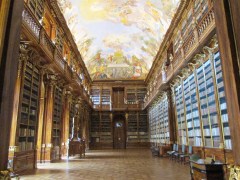
2013-05-13 07.19.13

Theological Hall

2013-05-13 07.23.34

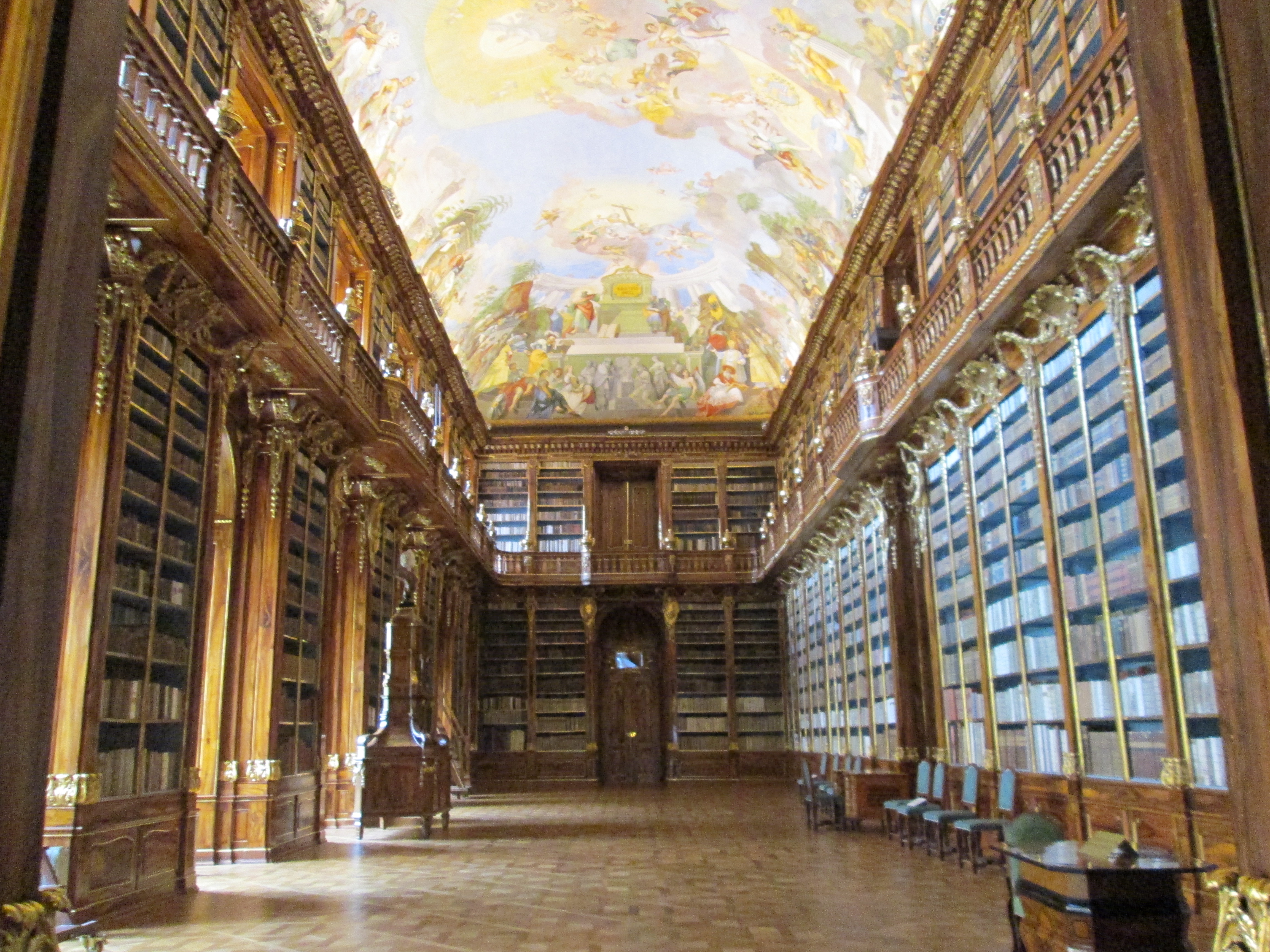
Philosophical Hall

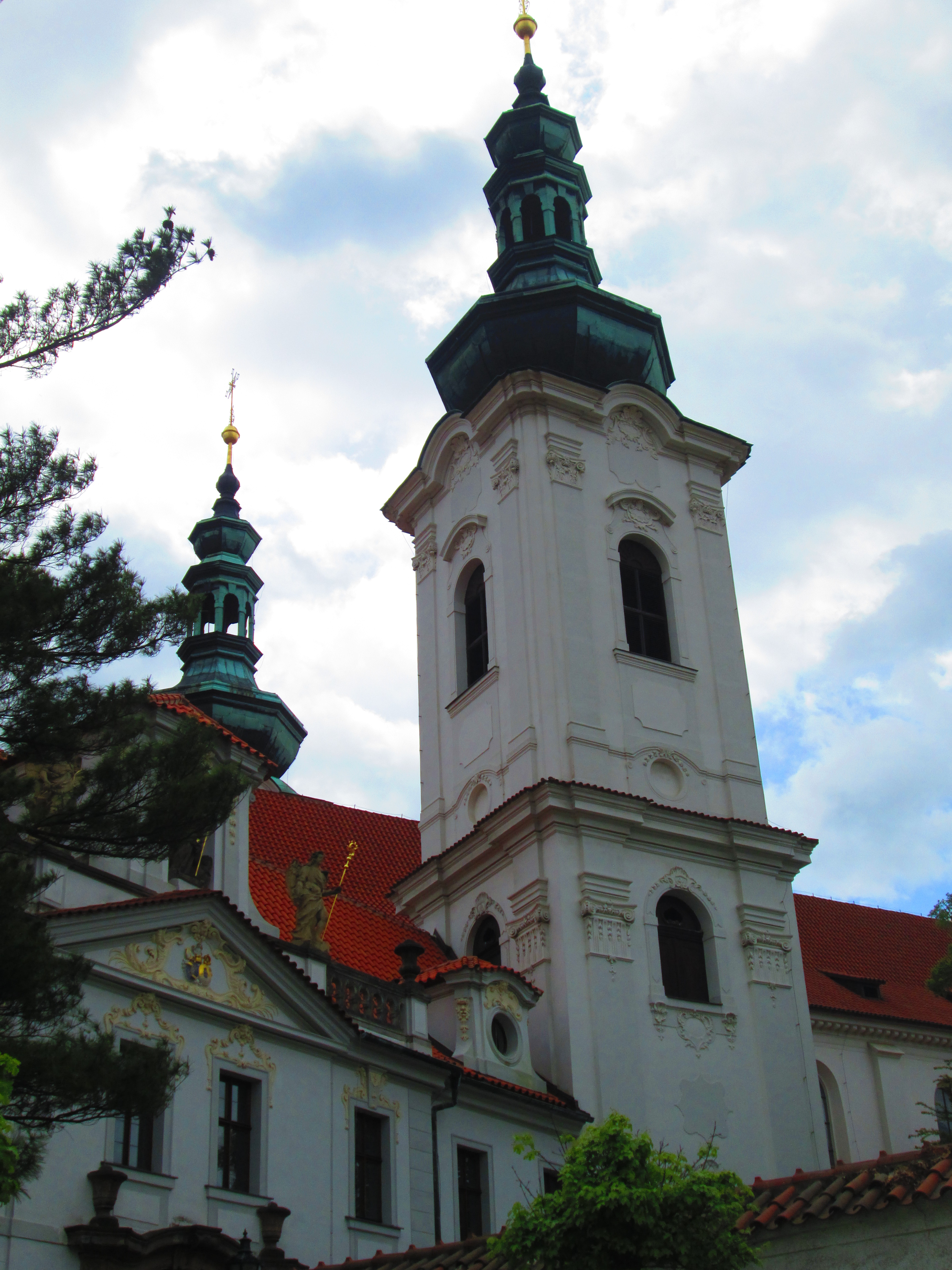
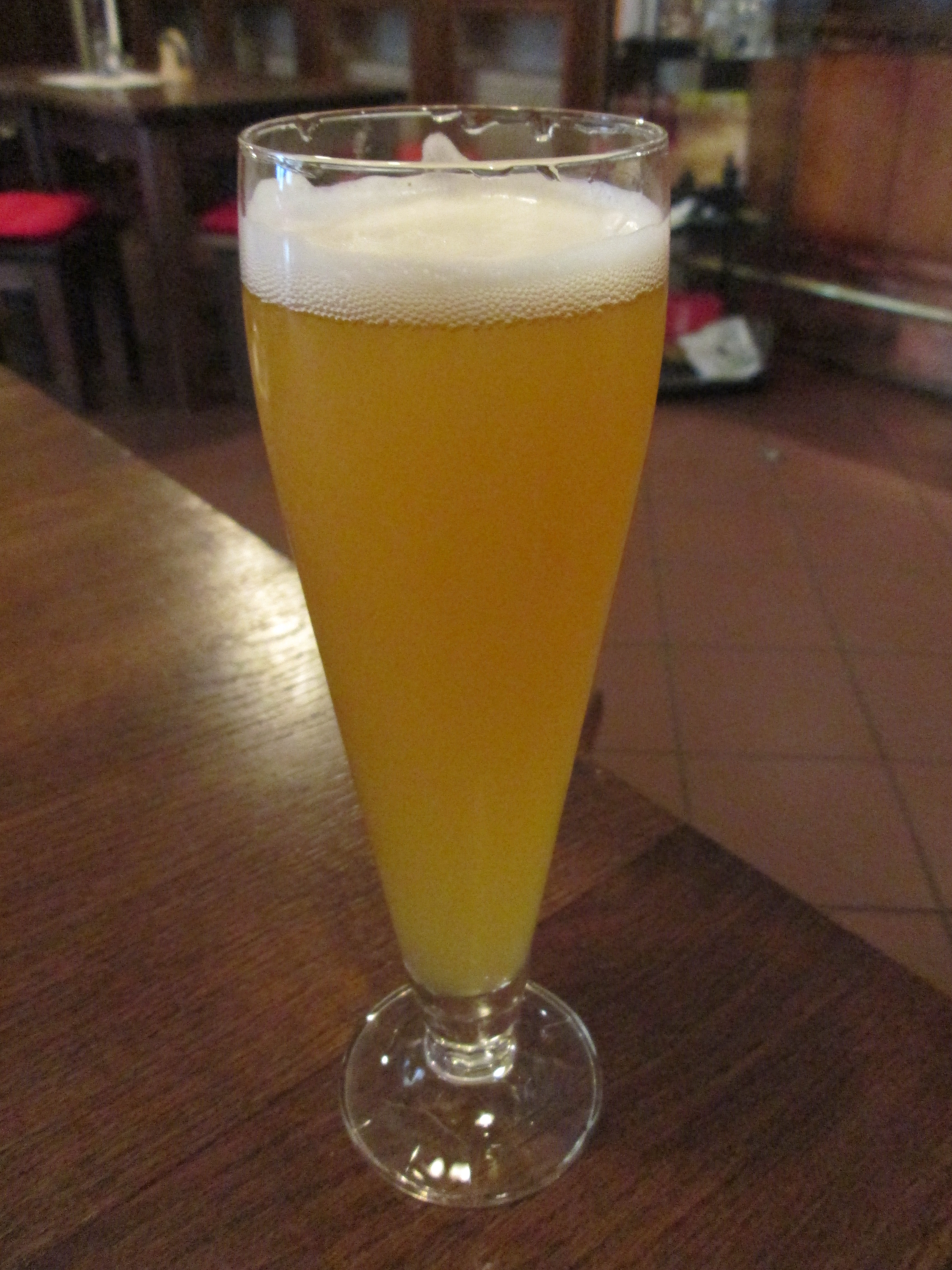
I wrapped up my day by visiting the Strahov Monastery to check out the sprawling Philosophy and Theology Halls. My final wind-down involved drinking Strahov Beer that has been brewed from the same recipe that was used centuries ago.
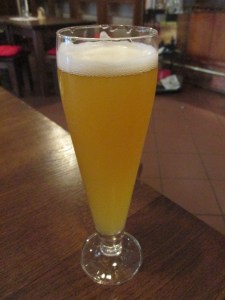
2013-05-13 07.49.35

Despite the struggles that the Lobkowicz Family was subject too, one can help but feel whimsical about this fairy-tale dream of American Nobility. It did materialize a bit late for it to seem like a happily ever after however. In the challenges faced during the sequential confiscation and restitution of their priceless buildings and art, three main values have steadfastly kept them determined.

  1. Family and Friends
  2. Faith and Beliefs
  3. Education

What values do you hold on to as you traverse life? How do they keep you grounded as a wholesome human being? Have they aided you in the challenges and struggles we face everyday?

Travel: Medieval Dreams of Prague

Prague, how can I even begin to describe the city that beckoned to me, the land that shimmers of fairytales, and the nights filled with good friends, appetizing beer, and laughter. This city succeeded where others have failed, she completely disarmed my strategic schedule, teasing me with her untarnished history, her colorful culture, and her people.

2013-05-12 03.54.44

This city’s origins are from the Paleolithic age. In 200 BC, the celts established an oppidum in the south, and at the end of the 1st century BC, this population was primarily composed of the Germanic Tribes. This gave way to Slavics in the 6th century AD, following the collapse of the Western Roman Empire.

Legend says that a Czech Duchess and Prophet  Slavics and her husband, Přemysl, founded this as a simple fortified fort in the year 800. They were also the founders of the Přemyslid dynasty. The first masonry beneath Prague Castle dates from 885.

This region became the seat of the dukes, and in time, the capital for the kings of Bohemia. During this time, it was elevated to archbishopric, and became a vibrant merchant city for individuals from all regions of europe. In the 14th century, Prague flourished as the third largest city and Imperial Capital of the Holy Roman Empire. During this time, under the reign of emperor Charles IV, construction of the Saint Vitus Cathedral was completed. He also personally laid the first foundation stone for the Charles Bridge.

2013-05-12 07.52.152013-05-12 03.54.01

However, the flourishing was not to last, the trade guilds became increasingly more powerful as the craftsmen deftly wielded the economy  As a result a large differentiation in social strate occurred  and the number of poor people continued to increase. You can still see remains of a fortification wall that was built, despite being unnecessary  in the 1360s to provide employment to workers and food for their families.

I like Charles IV already! He seemed sympathetic to the struggles of the commoners, and tried to alleviate their suffering during the famine. Unfortunately, He died in 1378, and during the reign of his son, King Wenceslaus IV, intense religious turmoil began to invade the city…

Travel: Montjuic

I had originally planned to take a day trip to the Pyrenees Mountains in order to explore the smaller mountain villages and the ancient Monastery of Montserrat. However, taking a bus trip is generally unappetizing for my family given that we have ventured to China, the Southwestern United States, and Japan in this manner previously, and dislike the lack of freedom and spontaneity it results in. Additionally, I would love to hike from the border of Spain into the border of France, and I simply don’t have the time at this moment.

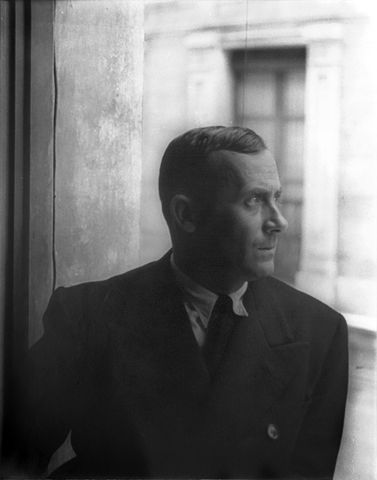
Miro

Taking a more leisurely day, we took the Funicular up to the Montjuic Park, where we perused the galleries of the Joan Miro Foundation, one of my mom’s admired artists. Admittedly, despite understanding the progression of his style, and how he sought to veer away from traditional practices, I still don’t quite comprehend his aesthetic.

Joan Miro is a multifaceted artist of Catalonian heritage he is known as being a painter, sculptor, and ceramicist born in Barcelona.

His work is best interpreted as Surrealism, a simplified style representative of the subconscious mind; It is childlike in form. This stemmed from his contempt for convention and his view that it supported a bourgeois society.

As usual, no pictures were allowed, it was quite an interesting showcase however.

2013-04-19 08.44.57

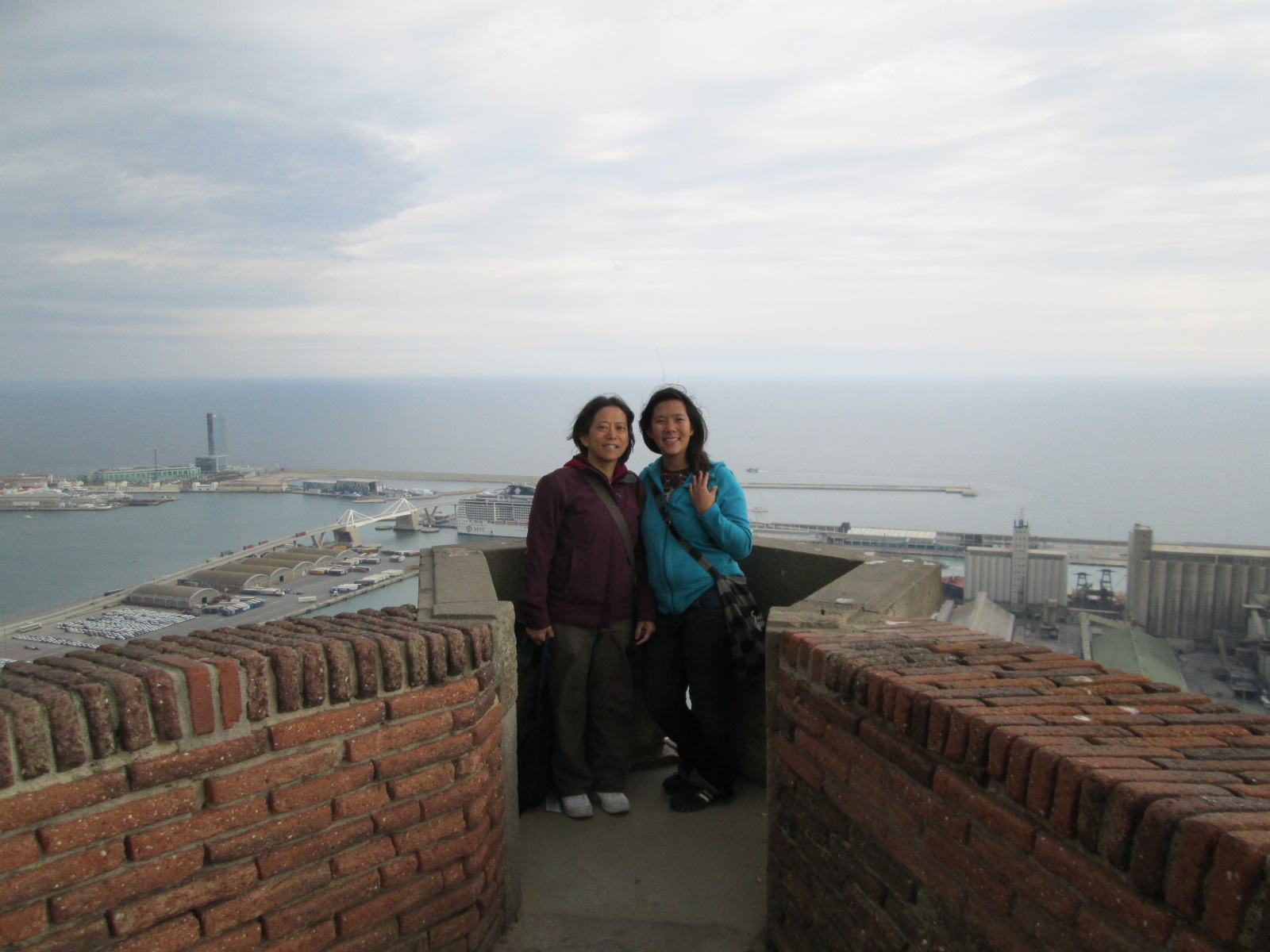
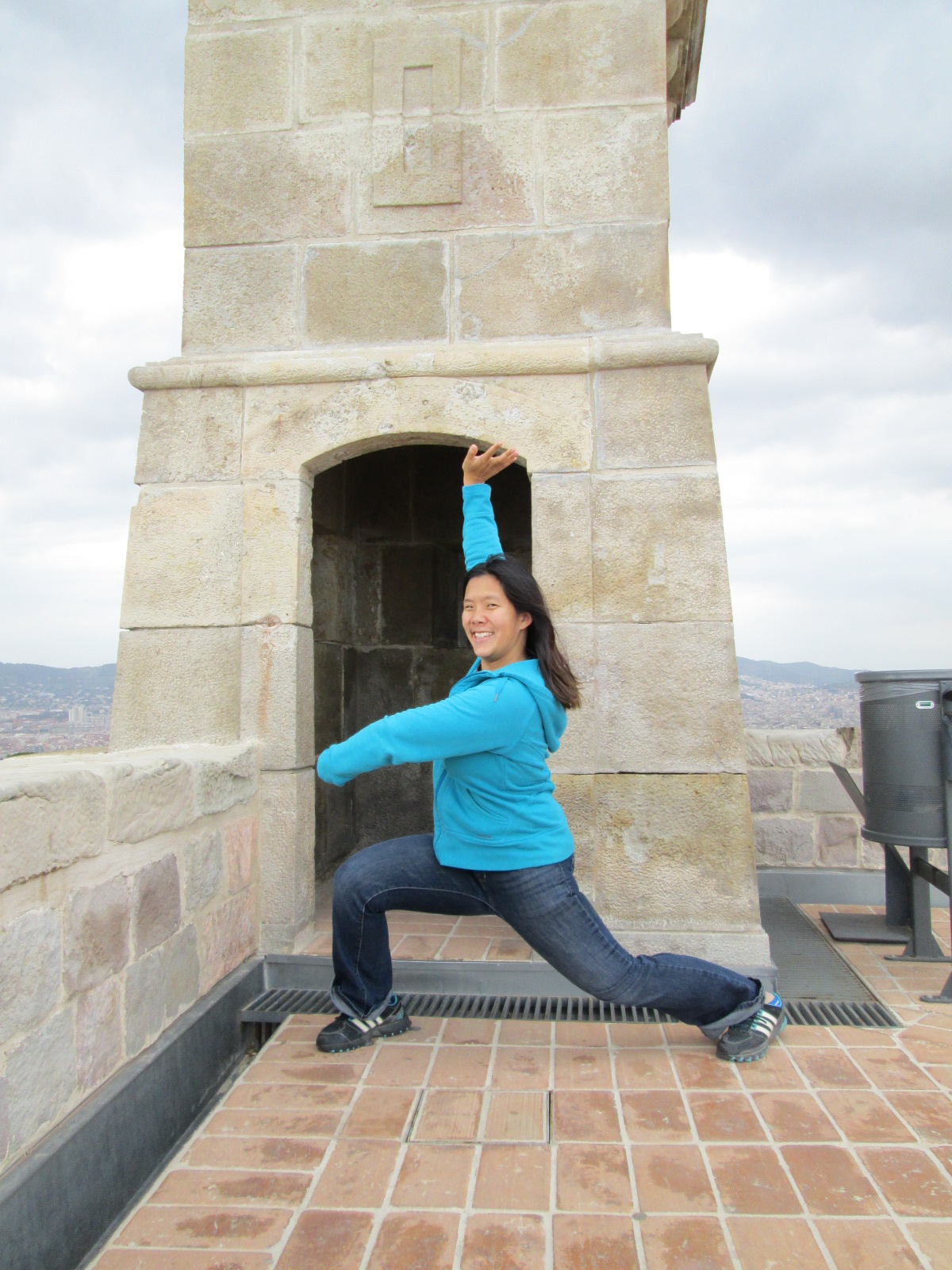
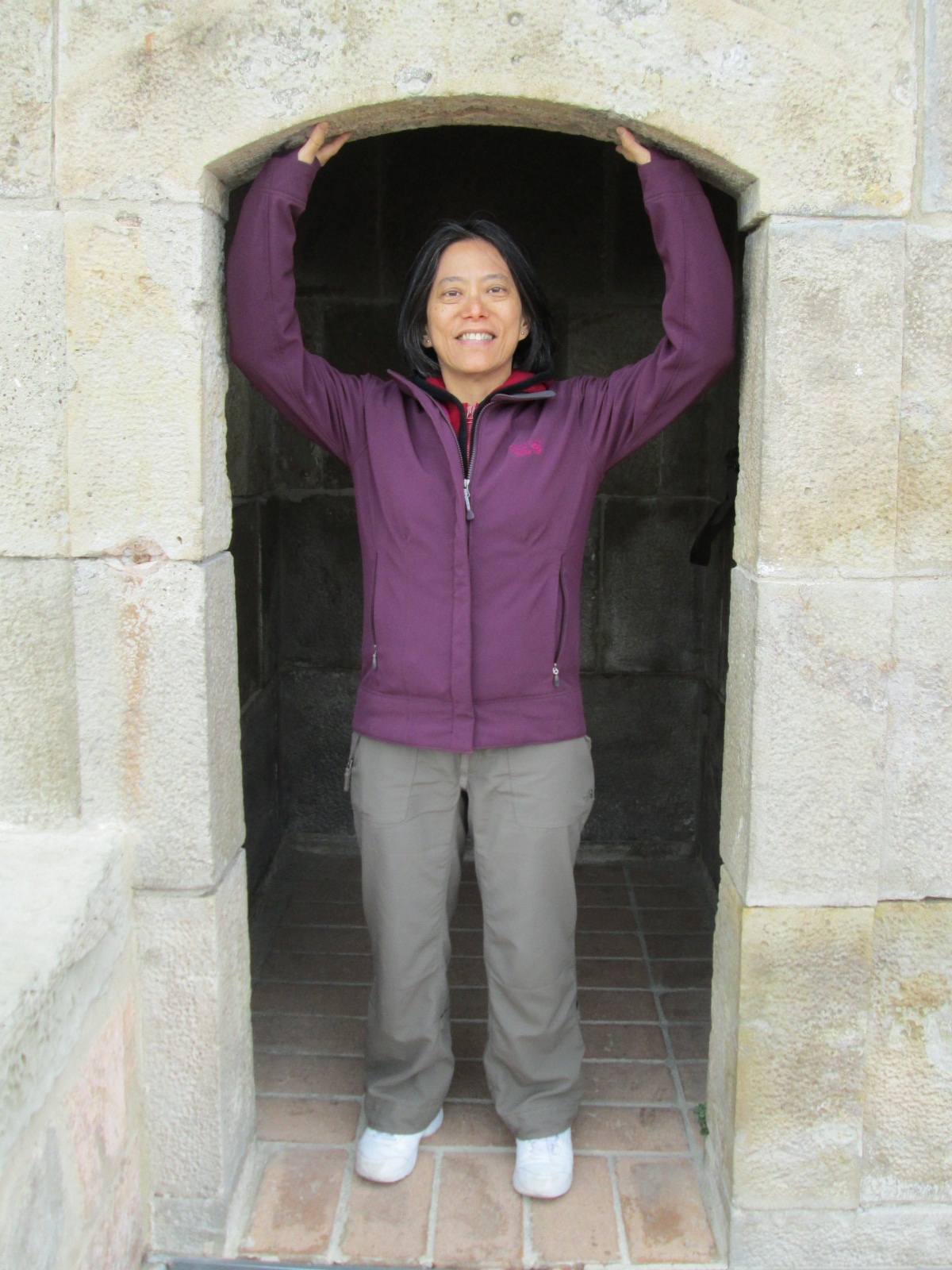
We then hopped a bus further up the ‘mountain’ to explore the ruins of Montjuic Castle, a fortress overlooking a cliff on the eastern side. It is a fortress that dates from the early 17th century. It was loyal to the Madrid Government and thereby shelled the city in 1842. The history of this military structure includes the use of it as a holding cell for political prisoners, and the numerous executions that occurred on sight. It is most popularly recognized for an 1897 incident known as Els processos de Montjuïc which prompted the execution of anarchist supporters leading to a repression of worker civil liberties. During the Spanish Civil War, both Nationalists and Republicans were executed there, each at the time when the site was held by their opponents. (Thanks Wikipedia, not much information was available on site).

2013-04-19 08.56.212013-04-19 08.54.45


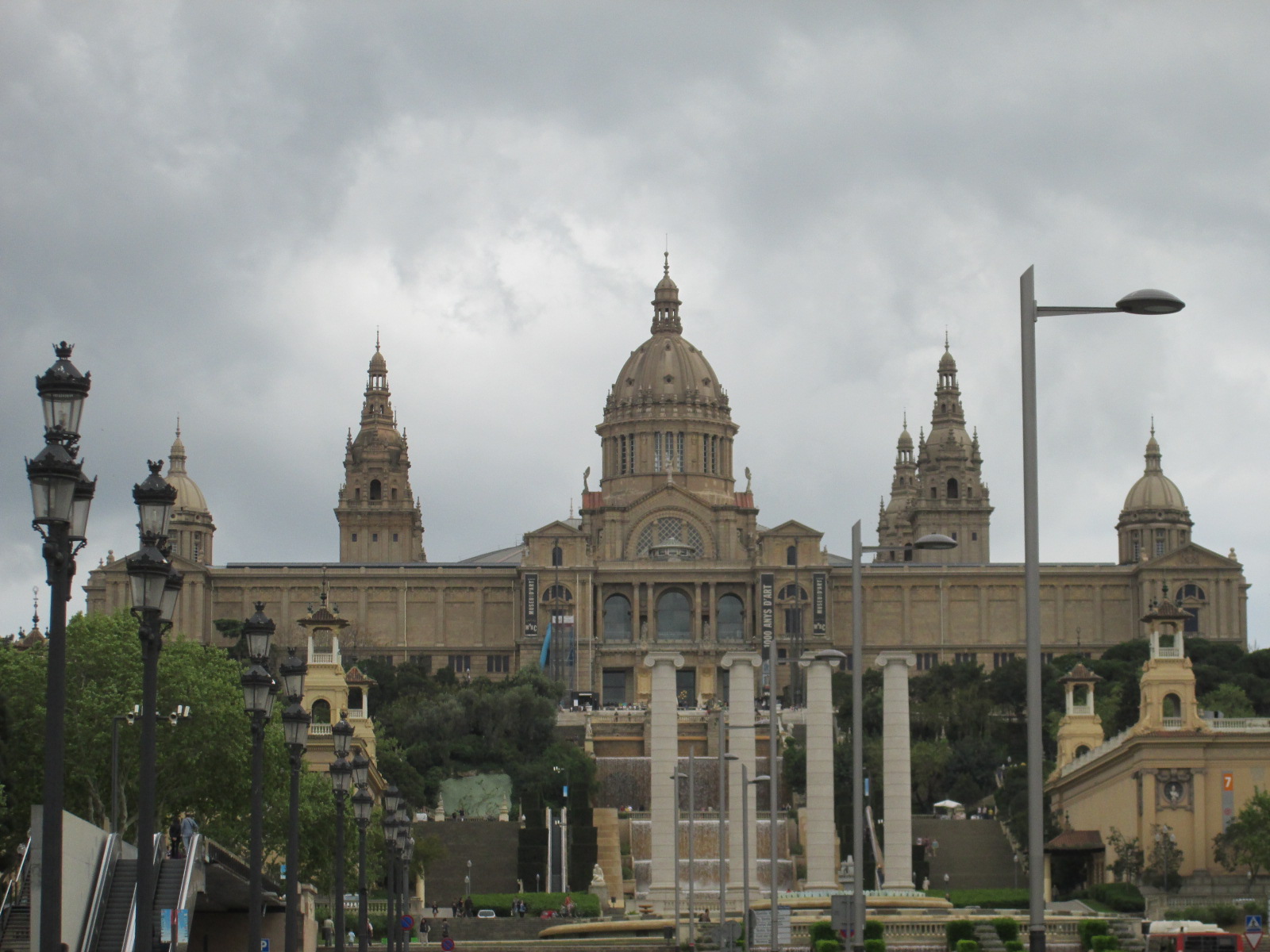
Due to our travel plans that involve crossing into France early in the morning, we called it a day, and took a bus back to the city catching splendid views of the Palau Nacional on the way back. This also gave me some time to make a focused effort at catching up with my blog entries. Some nights, after a day of avid exploring, I am simply too exhausted to write as much as I’d like, preferring to simply read or watch TV instead.

2013-04-19 09.32.50

Next Newer Entries