Travel: Legacy of St. Peter

So, I meant to wake up super early to line up for St. Peter’s Basilica in order to avoid the long lines. This turned out to be a useless endeavor, since my travels had worn down my energy stores. I ended up not arriving in Vatican City until around 10 AM, unfortunately, at that point there was a line wrapping around the circumference of St. Peter’s Square, and it was beginning to drizzle.
2013-06-01 04.46.40

I ended up standing behind a nice couple from the states for the duration of 1.5 hours, and we enjoyed a conversation concerning the weather, traveling, the current state of the economy.

Due to my professional line-waiting experience (from attending the Shanghai World Expo) I was the first to jump on a group that budged their way in front of us. I was not able to eject them however, due to a language barrier, and the lack of efficiency in the overall line system. No barricades or lanes are offered, and all of a sudden a two-person wide line suddenly expanded to an eight-person wide line. I certainly have many suggestions to offer concerning how to improve the basilica’s egress.
2013-06-01 05.22.10

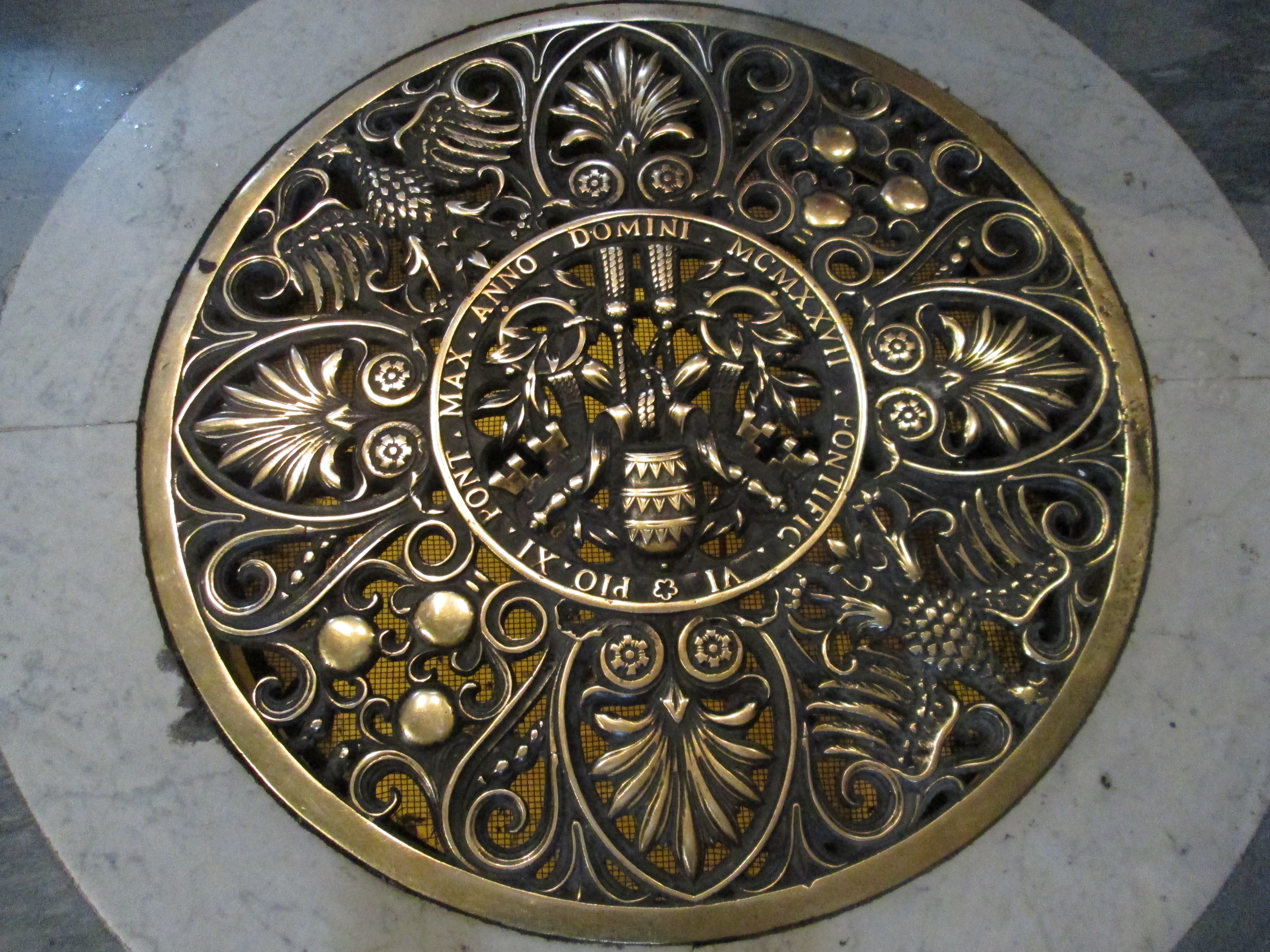
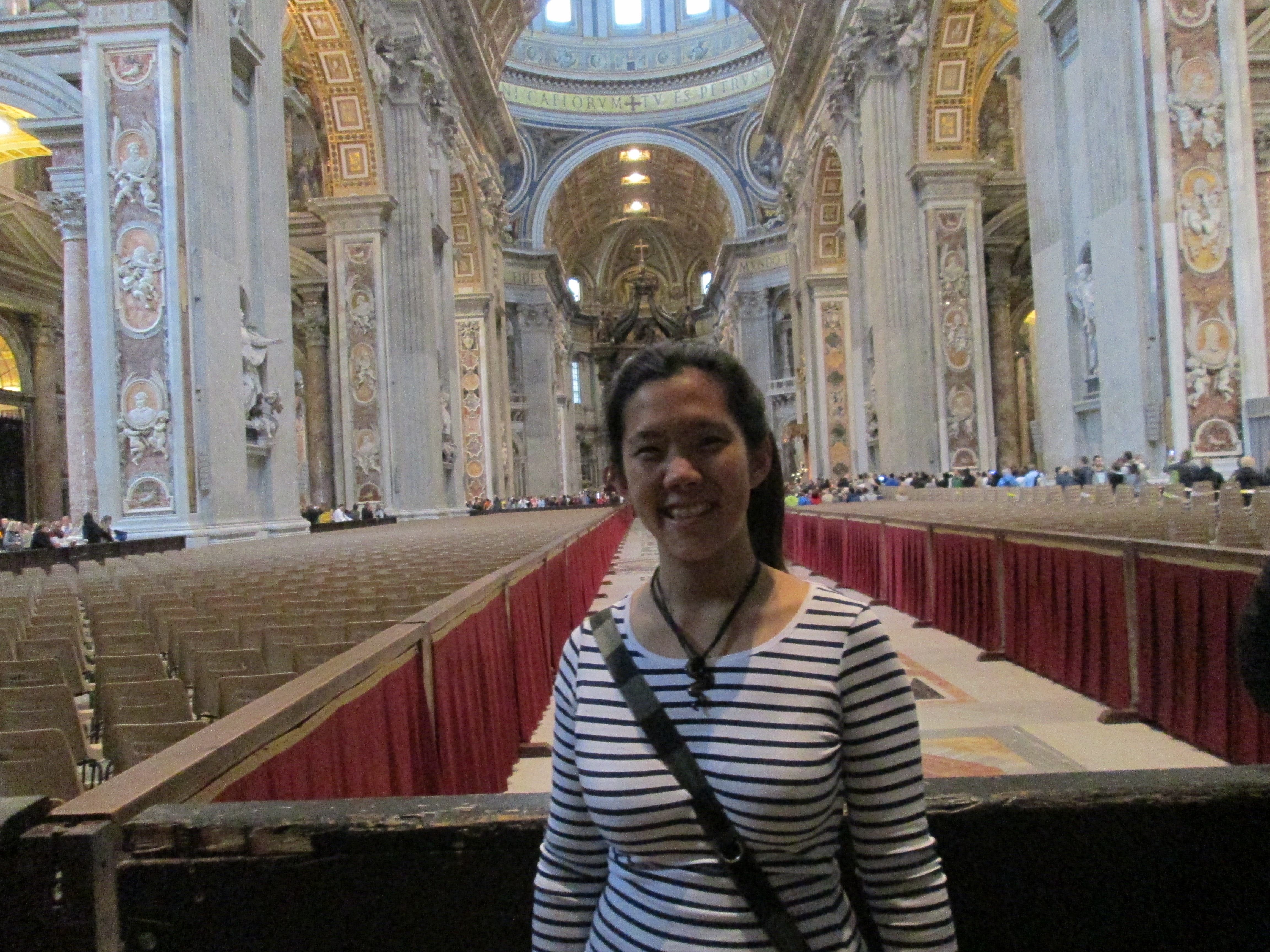
Finally getting inside, I was completely floored by the beauty of the interior. Designed by Donato Bramante , MichelangeloCarlo Maderno, and Gian Lorenzo Bernini, it is known as the most famous example of Renaissance Architecture. Following Roman Catholic tradition, this landmark building lies on the burial site of Saint Peter, the first Bishop of Rome and therefore first in the line of the papal succession. His tomb lies directly below the altar.
2013-06-01 04.41.11

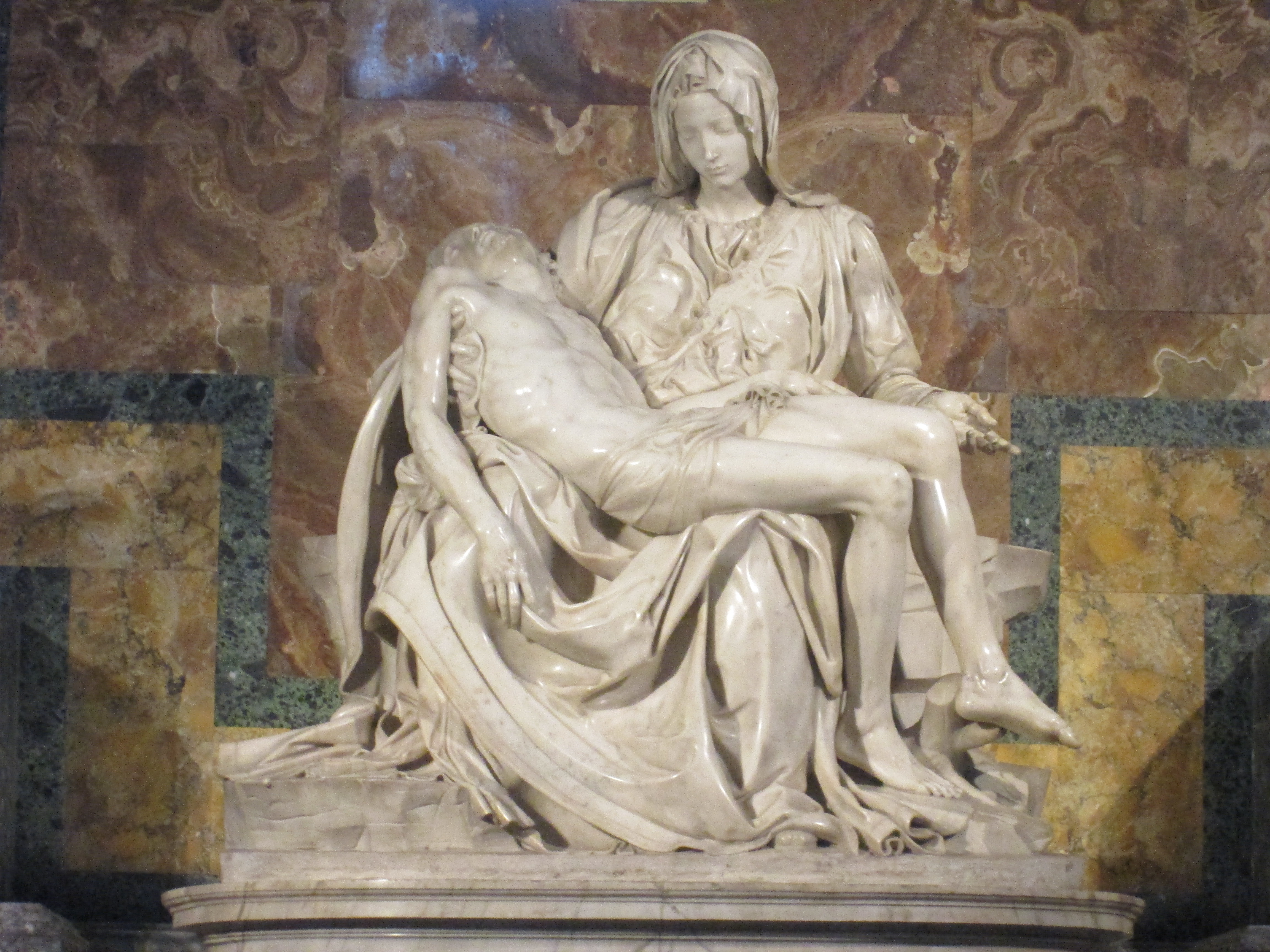
The Pietà was particularly moving. Michelangelo never fails to accurately depict the gradual caress of robes across the human form, or the somber emotion of an event. In this case, it is Mary, lamenting in her loss as she cradles the dead body of her son Jesus.
2013-06-01 07.56.11


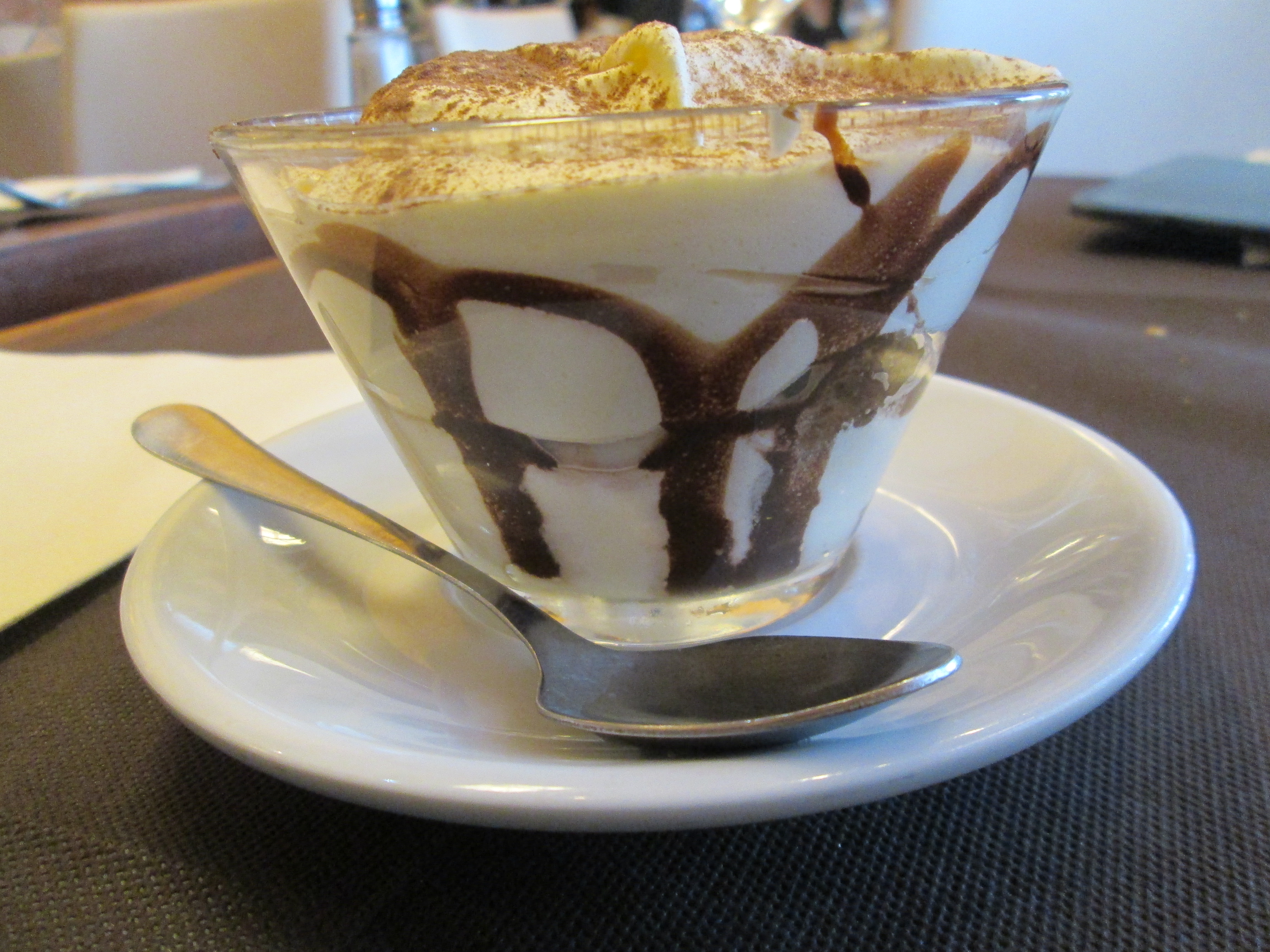
After fighting my way out of the masses, I took a break for lunch and treated myself to a delectable Tiramisu (My personal favorite dessert :D).
2013-06-01 08.42.43


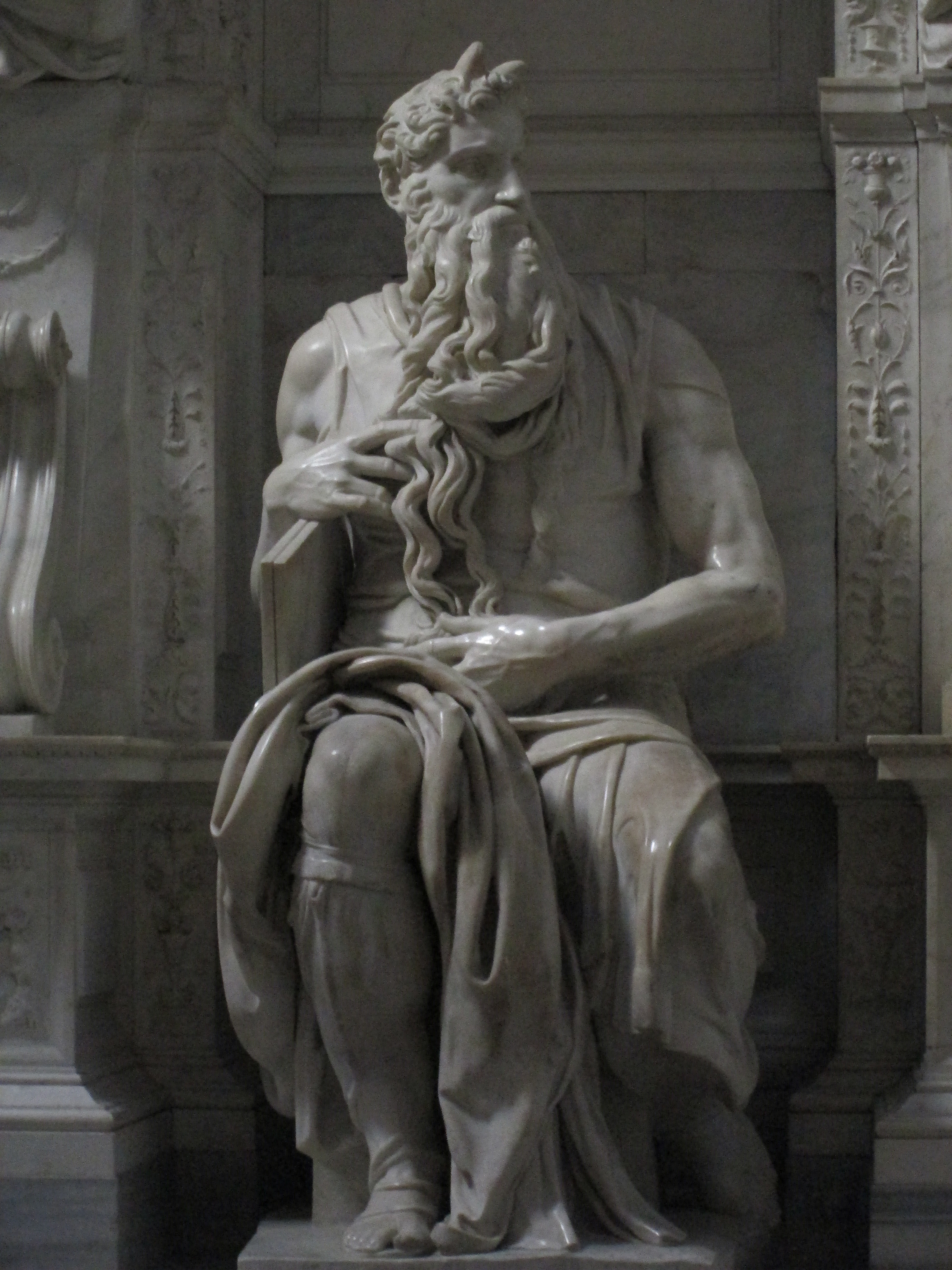
I then headed onward to a church known as St. Peter in Chains. It is the resting place of Michelangelo’s Moses.

In the words of Giorgio Vasari:

“Seated in a serious attitude, he rests with one arm on the tables, and with the other holds his long glossy beard, the hairs, so difficult to render in sculpture, being so soft and downy that it seems as if the iron chisel must have become a brush. The beautiful face, like that of a saint and mighty prince, seems as one regards it to need the veil to cover it, so splendid and shining does it appear, and so well has the artist presented in the marble the divinity with which God had endowed that holy countenance. The draperies fall in graceful folds, the muscles of the arms and bones of the hands are of such beauty and perfection, as are the legs and knees, the feet being adorned with excellent shoes, that Moses may now be called the friend of God more than ever, since God has permitted his body to be prepared for the resurrection before the others by the hand of Michelangelo.”
 
2013-06-01 08.34.27

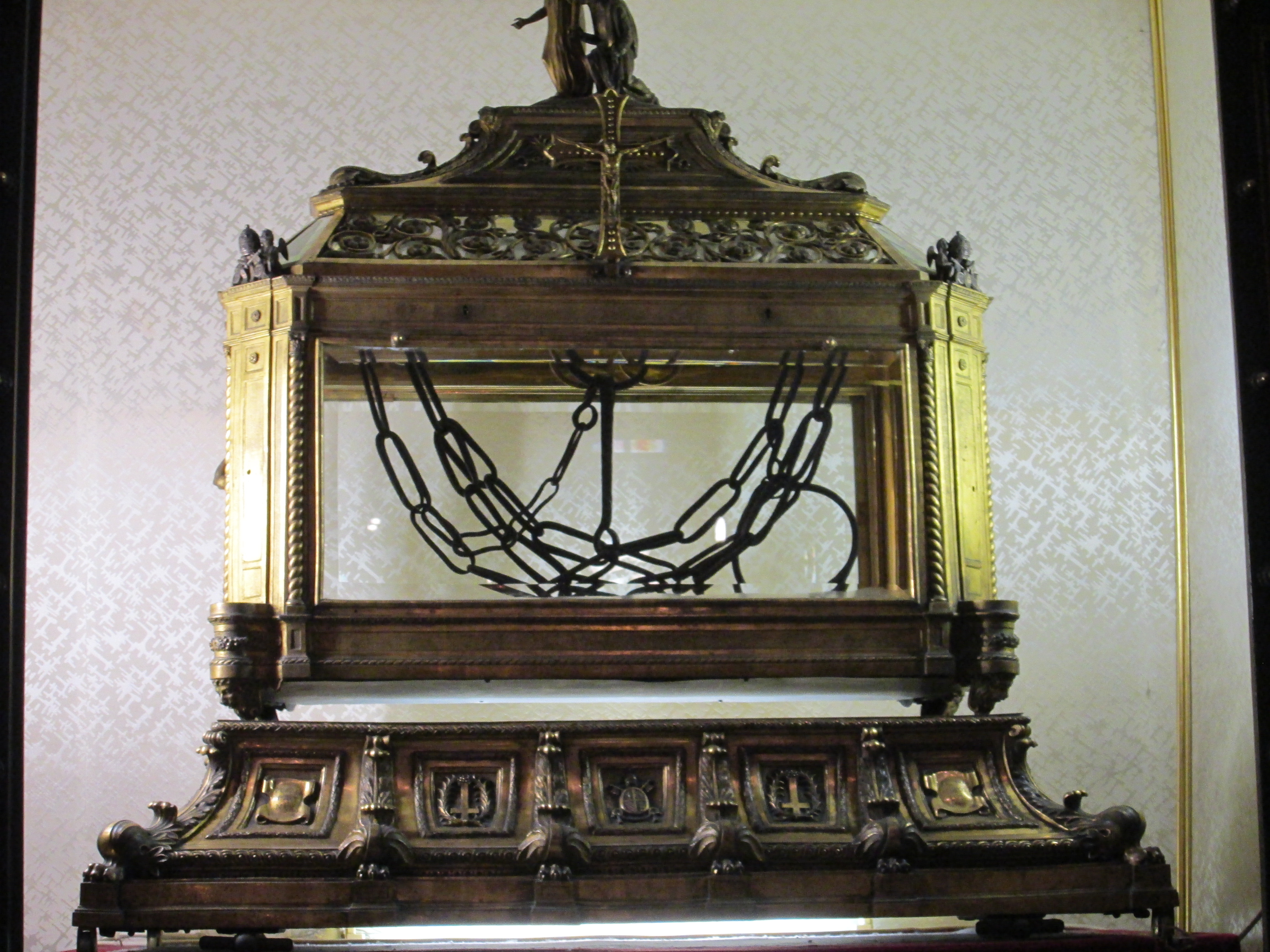
This minor basilica was originally built to house the chains that bound Saint Peter when he was imprisoned in Jerusalem. According to legend, when Empress Eudoxia presented the chains to Pope Leo I, he compared them to the chains of St. Peter’s final imprisonment in the Mamertine Prison and the two chains miraculously fused together.
2013-06-01 09.56.43

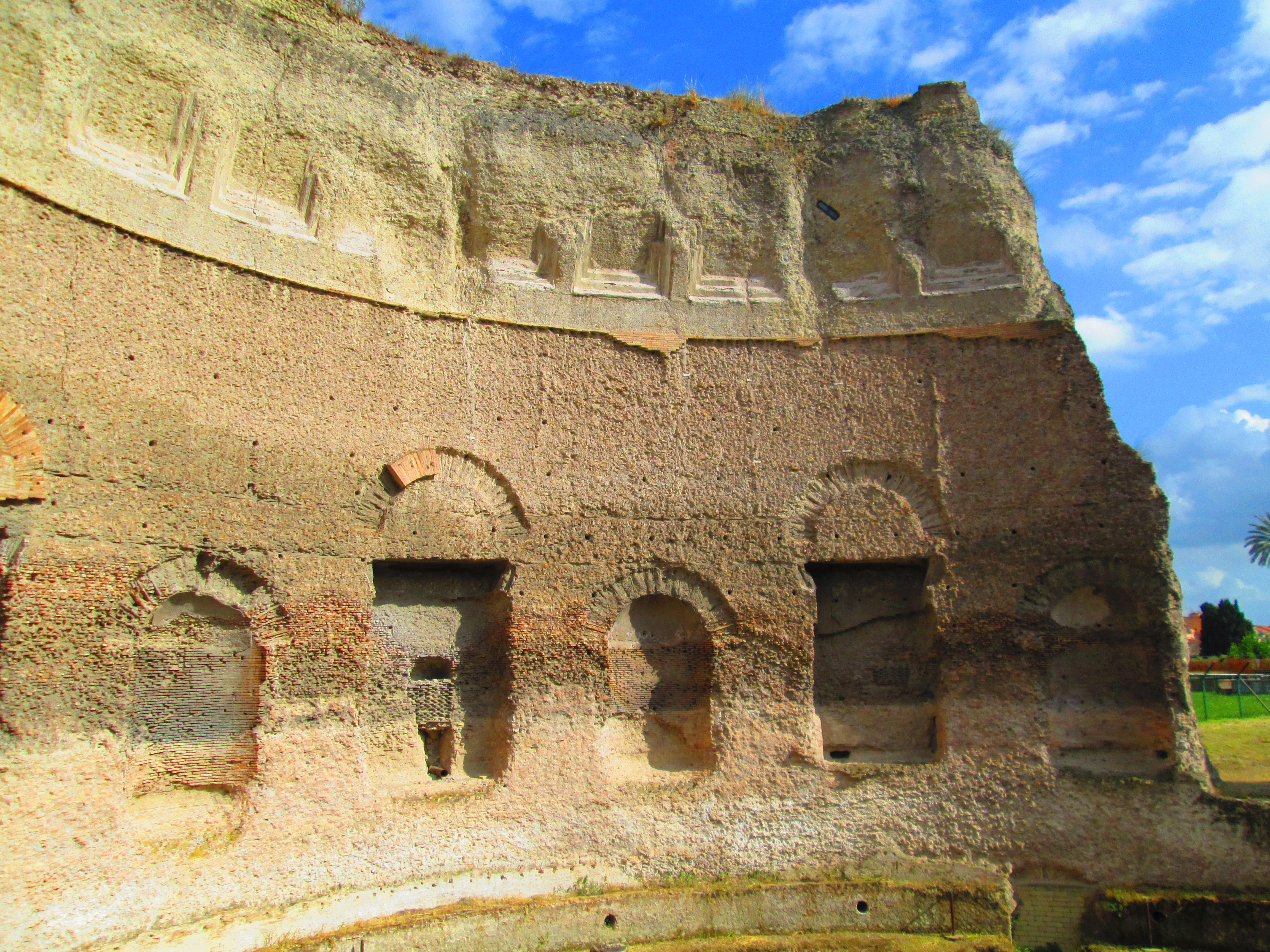
Thankfully, the sun reemerged from behind the clouds in the afternoon, and I wrapped up my day by taking a leisurely stroll on the Palatine Hill and exploring the Domus Aurea, a large landscaped portico villa built by the Emperor Nero.

What’s your take on all these Reliquaries? Do you have faith in the miraculous powers they are said to have?

Travel: Roman Art

After exploring the depths of Rome, I ventured onwards to Trajan’s Forum. This Fora was the last Imperial fora to be built, and was overseen by Apollodorus of Damascus. Built between 106 to 112 AD, it was constructed from the spoils of war amassed from the conquest of Dacia.

2013-05-31 05.49.582013-05-31 05.49.01

The most notable icon of this sprawling complex is Trajan’s Column, a triumphal tribute commemorating Trajan‘s victory during the Dacian Wars. Completely freestanding at 98 ft high (125 ft including the pedestal), the shaft is composed of a series of twenty 11 ft diameter colossal Carrara marble drums, each weighing  32 tons. It is most recognized for its spiral bas relief, at a total length of 625 ft, the frieze winds around 23 times, and depicts the epic wars of Romans Vs. Dacians. (I saw a miniature replica of this exact column wrought in gold in the museums of Vienna, Austria).

2013-05-31 08.00.162013-05-31 08.00.59

Taking another breather (after all, one can only ponder the historical significance or art and architecture for so long), I stopped by to admire the Monument to Victor Emmanuel, the first king of a unified Italy.  This monument is also home to the Tomb of the Unknown Soldier, a sobering reminder about the tragic losses of war.

2013-05-31 08.05.512013-05-31 08.18.00

Around the corner I decided to take a leisurely stroll through a park. This area was formerly the Circus Maximus, the first and largest stadium used primarily for Ludi in Ancient Rome. Ludi are public games directly connected to Roman Religious Festivals, and were sponsored by noble Romans or the State for the benefit of the people and the gods.

2013-05-31 08.41.50

The last stop of my day was the Vatican Museum After Dark. Despite not having a full day, I was so proud that I discovered these tickets as it allowed me to enter at an allocated time and avoid the massive lines that tend to form during the day.

Sistine_Roof

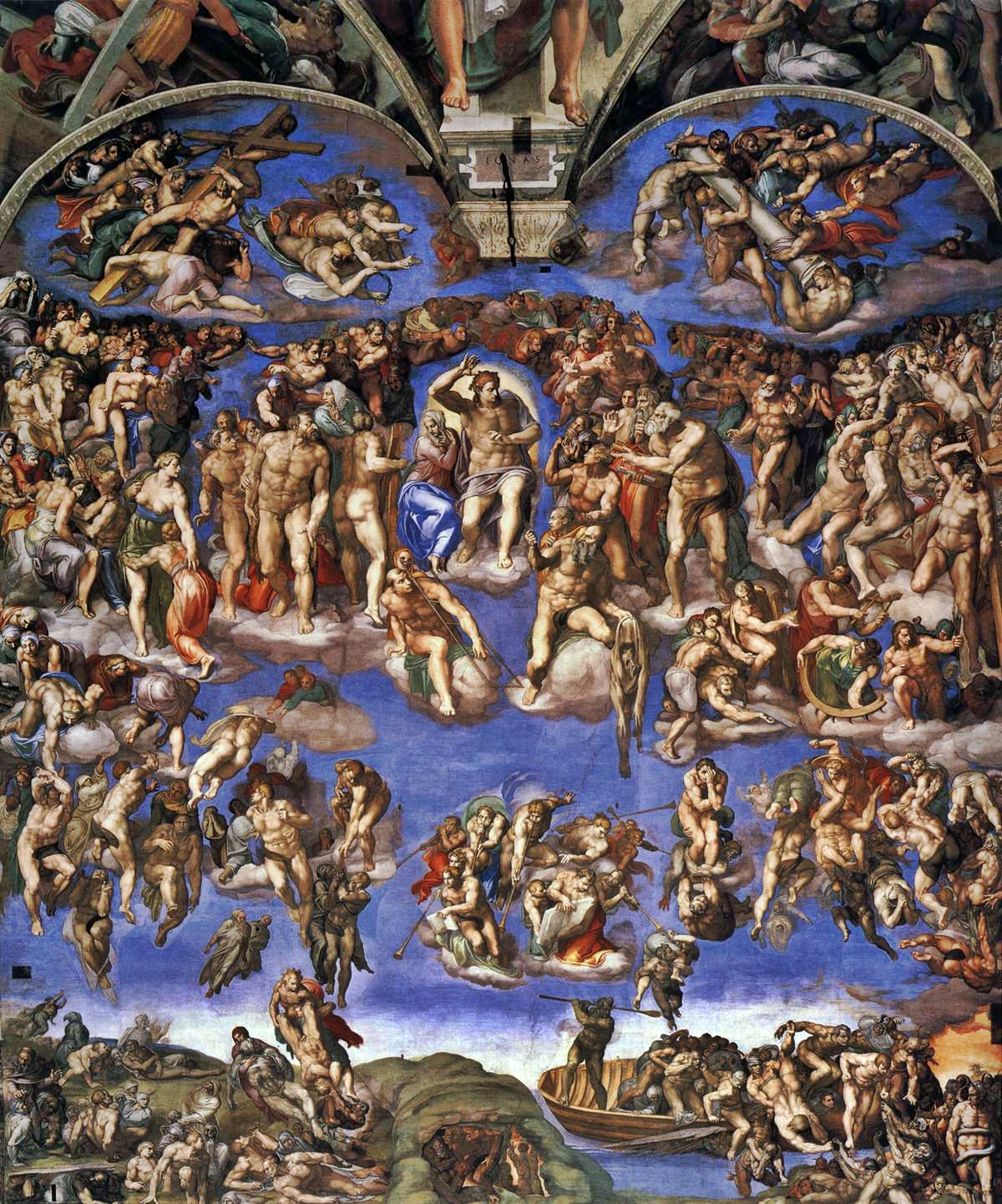
I can’t even explain the overflowing stores of art that burst from the confines of each room. I was completely overwhelmed by the detail of the marble sculptures, the intricacies of the woven tapestries, and the breathtaking wonder that overtakes you when mortal eyes lay their gaze on the beauty of the Sistine Chapel.

Sistine_Wall

Do you not feel humble when you see the masterpieces of renowned artists that consistently challenged the constraints of art? Are you not jealous of the skill that they were blessed with? If you could have any artistic talent, what would it be, why?

Travel: Piazza San Marco

Anticipating the crowds we would encounter, my friend and I opted to wake early so that we could avoid the lines. I’m quite impressed with ourselves as we made it to St. Mark’s Square around 8 AM when it was still peaceful and quiet, void of boisterous vendors and the hubbub of tourist groups.

2013-05-26 02.07.04

St. Mark’s Square is the principal public square in Venice. This sprawling open area formed the social, religious, and political centre of Venice.

A popular remark attributed to Napoleon termed this area as “the drawing-room of Europe.”

It is breathtaking to witness during tranquil moments, but also impressive as one of the few remaining great urban spaces in Europe where human voices prevail over the sounds of motorized traffic.

The Piazza is dominated by some landmark buildings:

2013-05-26 02.06.24


St Mark’s Basilica


2013-05-25 03.21.21


Torre dell’Orologio


2013-05-26 10.06.03


Campanile

Procuratie

Museo Correr


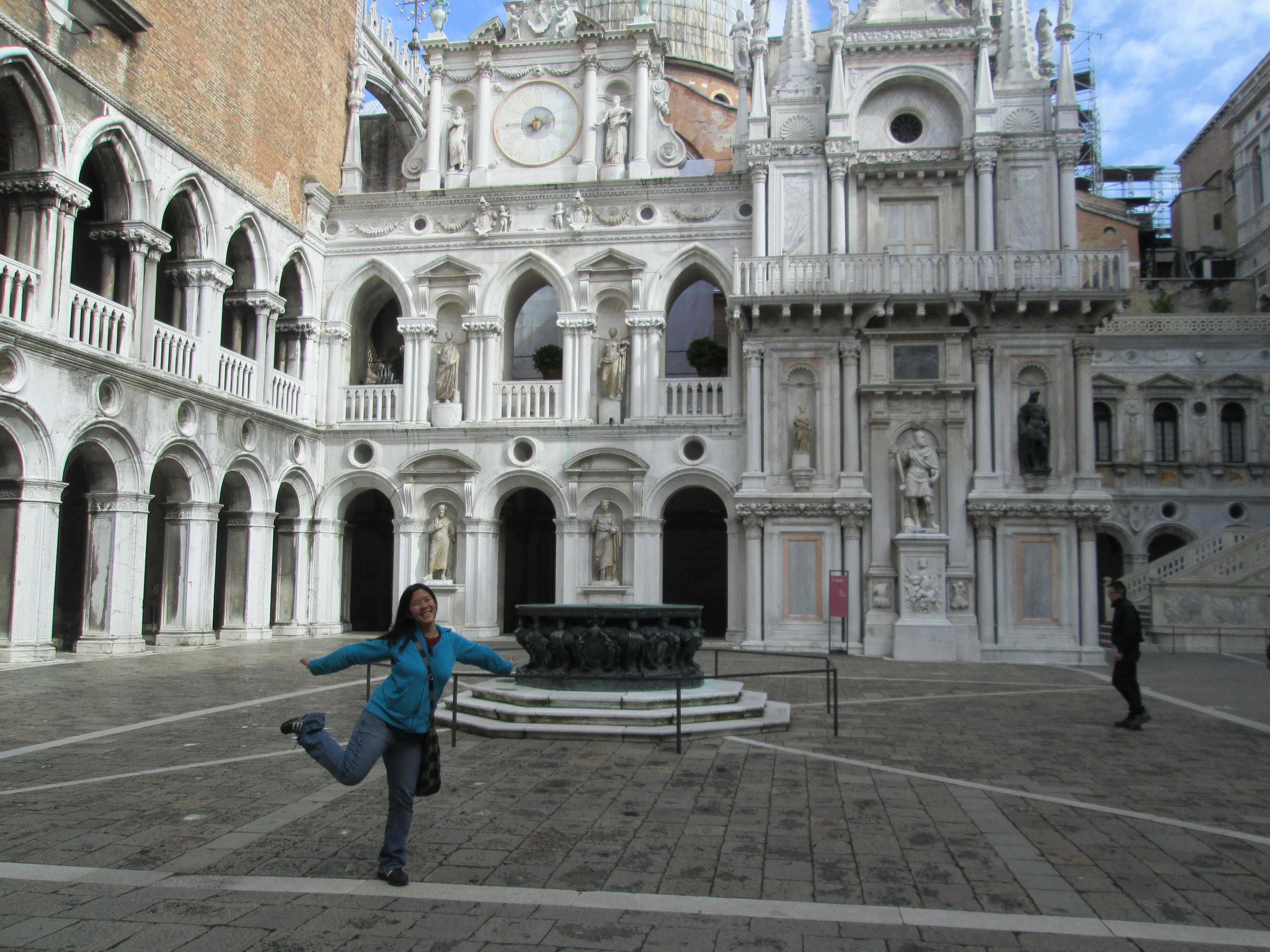
Doge’s Palace:

The Doge’s Palace is built-in the Venetian Gothic style; it was the residence of the supreme authority of the Republic of Venice. He was the chief magistrate and leader of the Serene Republic of Venice for over a thousand years. Doge’s were elected for life by the city-state’s aristocracy, and was commonly the shrewdest elder in the city. He was variously referred to as “My Lord the Doge”, “Most Serene Prince”, and “His Serenity.”

This institution originated around 700 replacing the  tribunes that formerly led the cluster of early settlements around the lagoon. The official elected was a the local representative of the Emperor of Constantinople, and regarded as the ecclesiastical, the civil and military leader, in a power structure named caesaropapism. His prerogatives were not defined with precision, and despite the position being entrusted to members of the inner circle of powerful families, a law was necessary to decree that no doge had the right to name his successor.

2013-05-26 02.14.47

In 1172 the election process was finally entrusted to a committee of forty, who were chosen by four men selected from the Great Council of Venice, an annually nominated group of twelve people. New regulations were then introduced in 1268 that remained effective until the end of the republic in 1797. The primary objective was to minimize the influence of great families by instituting a complex elective machinery.

The ceremonial formula before the doge took the oath of investiture was as follows. “This is your doge, if it please you.”

2013-05-26 10.14.02


Travel: Munich (Part II)

I apologize. At this point in my travels, the wanderlust has worn off and a sense of ennui has caught up with me. Hence, today was a lazy, hazy day. I had little motivation to cram as many events into my day as possible, therefore I slept in late, and meandered through town at a leisurely pace.

2013-05-19 04.46.13

First stop entailed a short visit to the Cuvilliés Theatre, which lies within the aforementioned Residenz Complex. It was ordered by Maximillian III Joseph outside the palace after a fire destored the previous St. George’s Hall. Construction spanned from 1751 to 1753 according to the design of François de Cuvilliés in rococo style.

If you look closely at the pictures from the Residenz Interior, you will see several rooms also exhibiting the Rococo Style. It is in this theater that Mozart’s Idomeneo premiered in 1781 and Carl Maria von Weber’s Abu Hassan in 1811. The theatre was intelligently meant to be multifunctional, and this was achieved via a floor that could be lowered or raised for ballroom festivities.

Lacking in energy, despite accomplishing little, I gave myself a reprieve by immersing myself in some casual reading and a glass of hot Chai (My favorite milky tea). Finally, summoning the impetus to move, I ventured to visit, now don’t be surprise, another palace.

2013-05-19 17.56.02

The Nymphenburg Palace was the main summer residence of the rulers of Bavaria designed in the Baroque style. The visionary was the italian architect Agostino Barelli, who was comissioned by the couple Ferdinand Maria and Henriette Adelaide of Savoy in 1664. It is within these walls that King Ludwig II was born in 1845, as the great-grandon of King Max I Joseph.

2013-05-19 07.50.162013-05-19 08.32.15

While open to the public, the building continues to be home and chancery for the current Franz, Duke of Bavaria, who is head of the house of Wittelsbach. Jacobite, who trace the line of the British Monarchy through legal heirs of James II of England, he is the legitimate heir of the Stuart claims to the throne of Great Britain.

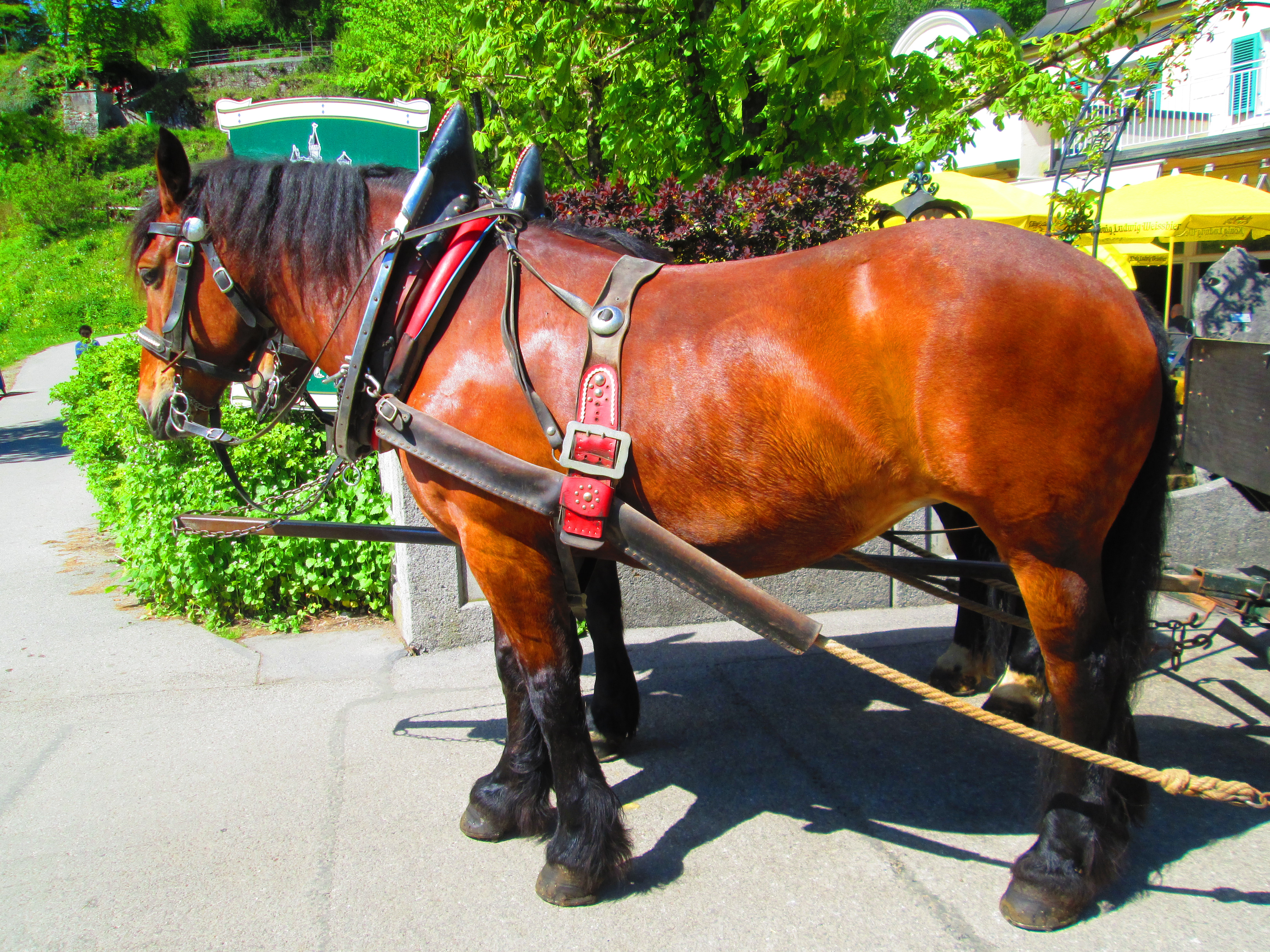
It is interesting to note however, that despite merely having a dukedom, this claim has not been actively pursued. I can’t say that I would have done the same in his place, albeit that as a ‘commoner’ I grew up with Disney Movies and imagined a happily ever after as a princess with a prince on a white horse to rescue her.

The Coach Museum:

2013-05-19 09.36.522013-05-19 09.49.44

The Porcelain Museum:

2013-05-19 10.17.532013-05-19 10.40.50

What are your thoughts on Monarchy? Democracy? I’m torn. While the medieival, monarchical period of history seems romantic, I also know that the power resulted in sever abuse and neglect of the general population. This doesn’t mean, however, that certain monarchs wielded economic and political decisions for the benefit of his people, in contrast to selfish gain by exploiting his subjects.

Travel: Bavarian Magic Castles

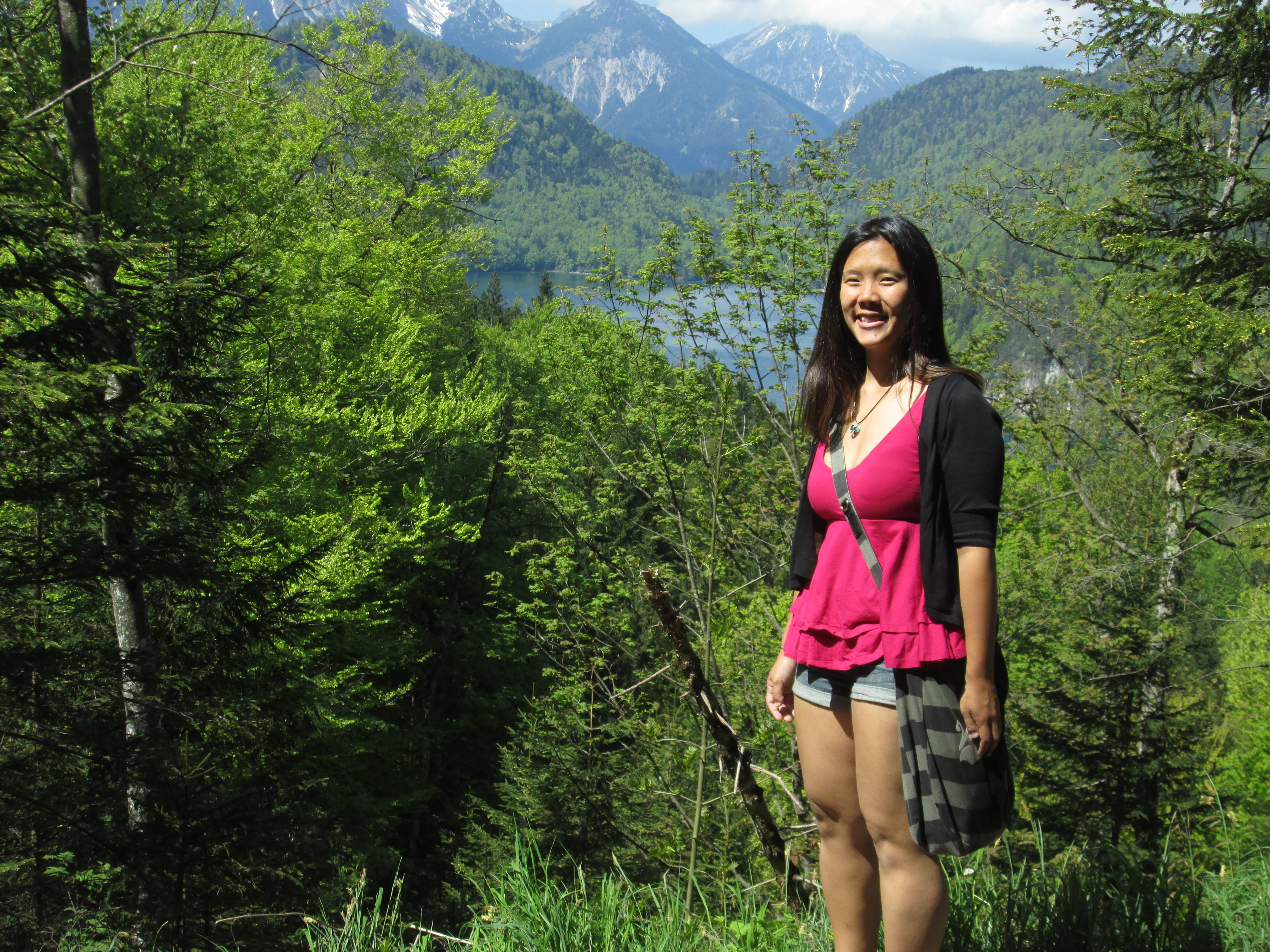
At this point in my trip, I have become increasingly uninterested in man-made structures, despite the story they tell about the daily lives of the clergy, royalty, and general population. Therefore, I took a day-trip to the heart of Bavaria; thankfully it was a gorgeous day filled with sunshine, that complemented my intense need to traipse through the natural undergrowth of the mountains.

2013-05-18 08.26.10

Modern day Bavaria comprises a large chunk of Southern Germany (approximately 27,200 square miles); this is 20% of the nation.  It originated as a duchy during the middle of the first millennium. Previously it had been inhabited by  Celts, but Bavarians began to emerge north of the alps, seeming to have coalesced out of the population remaining in the aftermath of the 5th century Roman withdrawal.

2013-05-18 04.07.46

This led way to the Duchy of Bavaria which was ruled by the house of Agilolfing from 554 to 788, before the last Duke Tassilo III was deposed by Charlemagne. In the following four centuries, numerous families held the post, but rarely did this extend beyond three generations.


2013-05-18 04.19.23

Fast-forward to the 1800s, when Napoleon abolished the Holy Roman Empire, Bavaria became a kingdom in 1806. It then preserved its independence by capitalizing on the rivalries during the 1866 Austro-Prussian War.

Eventually, Bavaria became a part of the German Empire despite religious tension between the protestant Prussian state and the Bavarian Catholic Population. 

2013-05-18 07.19.10

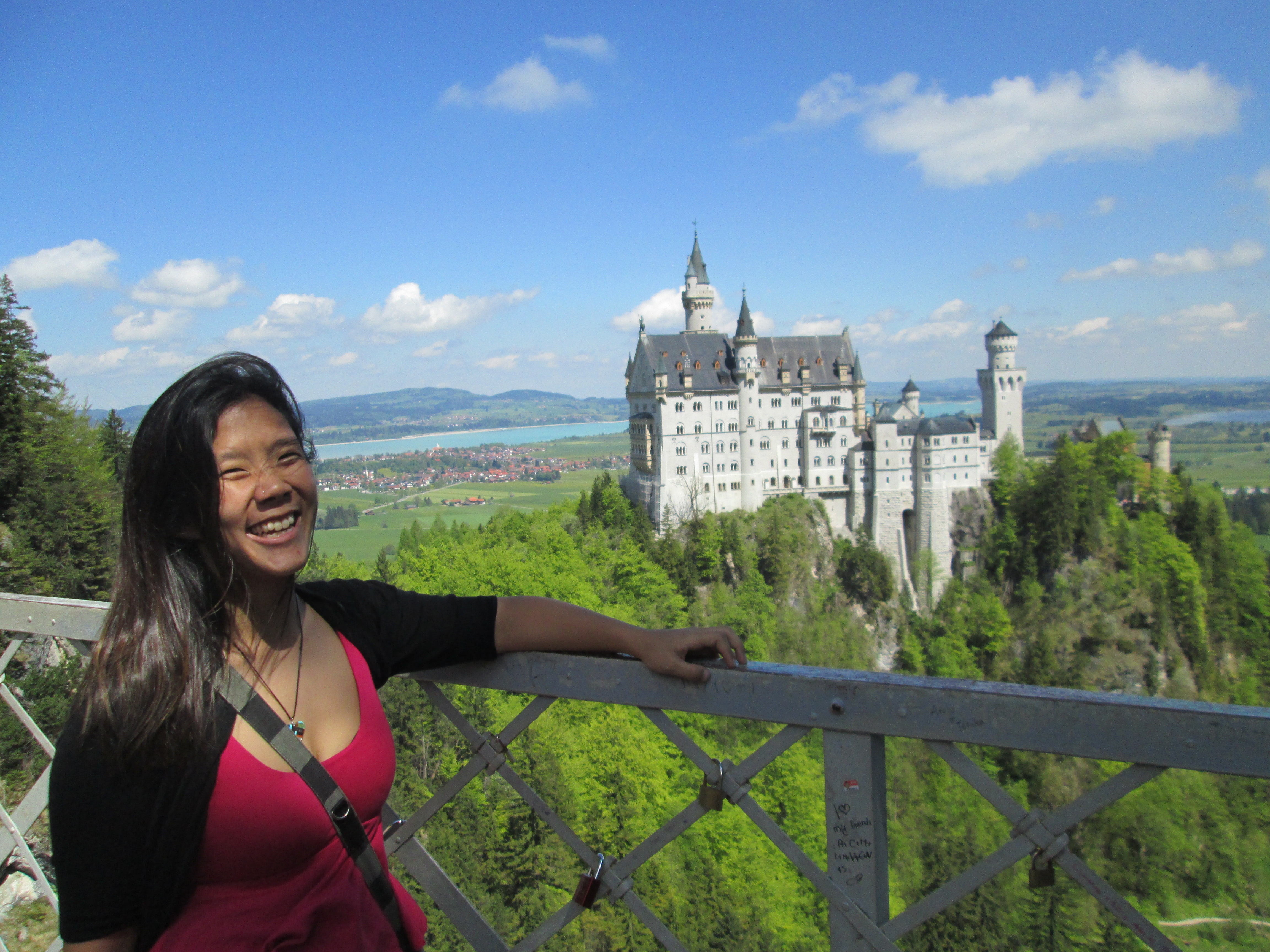
Sorry, I always let myself get overly enthusiastic about the origins and history of an area. Perhaps I should have chosen to be a history major or study anthropology or archeology instead! Nonetheless, the mountainous region was beautiful and capped off by a visit to Neuschwanstein Castle.

2013-05-18 04.33.33


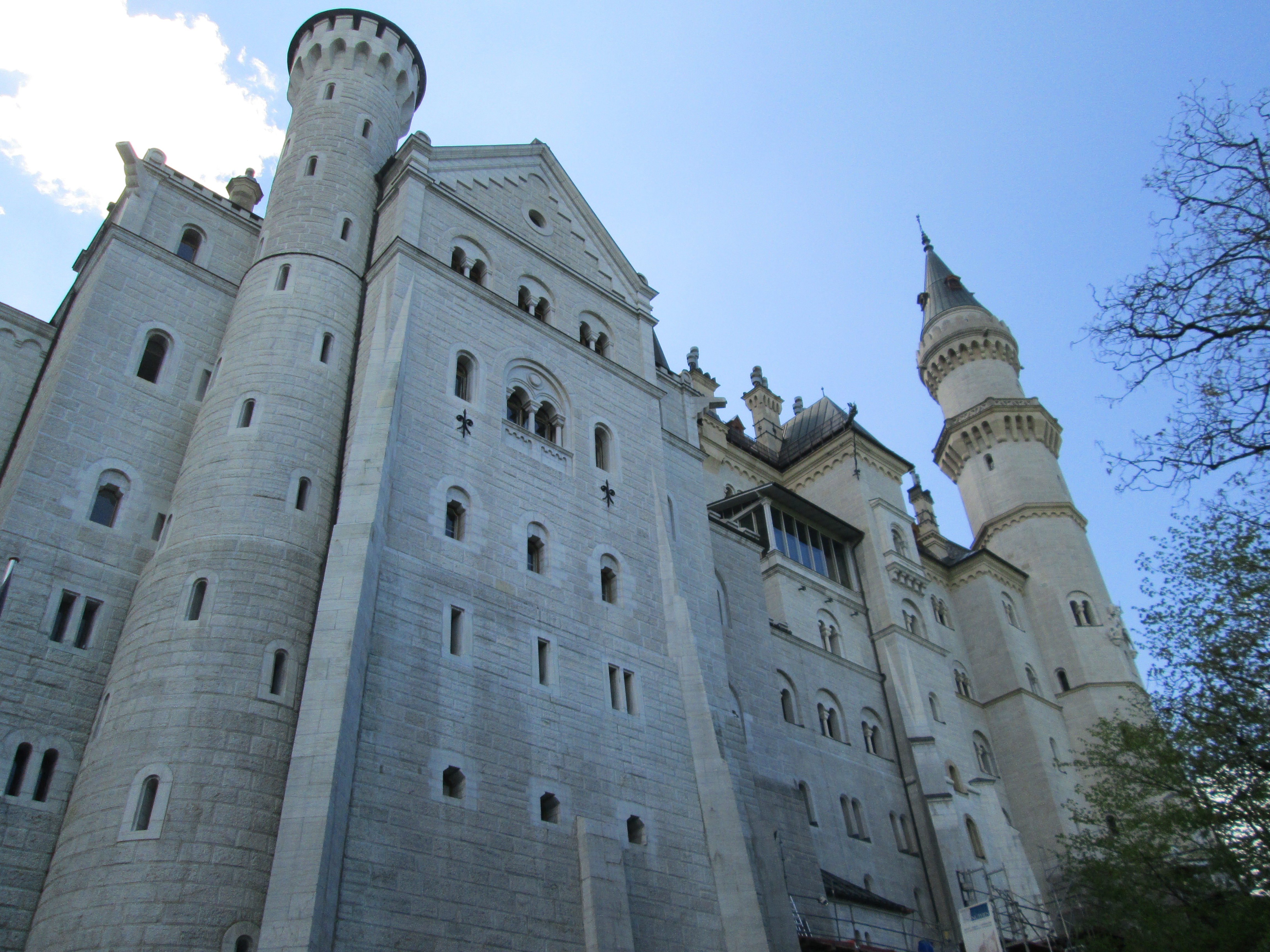
The brainchild of Ludwig II, it was designed as a  Romanesque Revival in homage to Richard Wagner. Fortunately, Ludwig paid for the construction with his personal fortune or via borrowing instead of selfishly utilizing public funds. Unfortunately, the king died before the castle was complete, and therefore many of the major features remain unbuilt to this day, with only 14 rooms finished.

The Myth:

2013-05-18 04.52.31

Ludwig II is often called ‘Mad King Ludwig‘. His younger brother Otto was considered insane, so it is claimed to be hereditary. He was deposed on the grounds of mental incapacity despite lack of medical support.

Furthermore Ludwig II died under mysterious circumstances when both him and is doctor were found dead in the waist-high water of Lake Starnberg the day after his confinement. The doctor had managed to sustain unexplained injuries to both his head and shoulder.


Travel: Munich Residenz

2013-05-17 02.14.03

Leaving Vienna behind, I bypassed my original plan of Salzburg (due to limited hostel options) to southern Germany and the city of Munich. To be honest, at this point in my travels I was sufficiently exhausted of the exhausting routine of staying at one city for a few days, hopping a train, and continuing to make my away around and across Europe. However, Munich has a medley of fascinating sights, and a few of them provided my the additional motivation needed for my enthusiasm not to dwindle.

2013-05-17 02.24.24

The primary impetus involved a visit to the Residenz; On my walk through Old Town, I was able to pass through the Karlstor (one of four medieval city gates ), gape at the awe-inspiring Town Hall (a massive gothic-revival structure that dominates the square), and enjoy the machinations of the glockenspiel.

2013-05-19 03.58.39

Associated with the intricately detailed glockenspiel is a Myth. During the year of the plague, 1517, coopers are said to have danced through the streets to, “bring fresh vitality to fearful dispositions.” This dance became symbolic of the population’s perseverance  and their continued loyalty to the duke. As a result, this dance is traditionally performed every seven years, despite the current form not being defined until 1871.

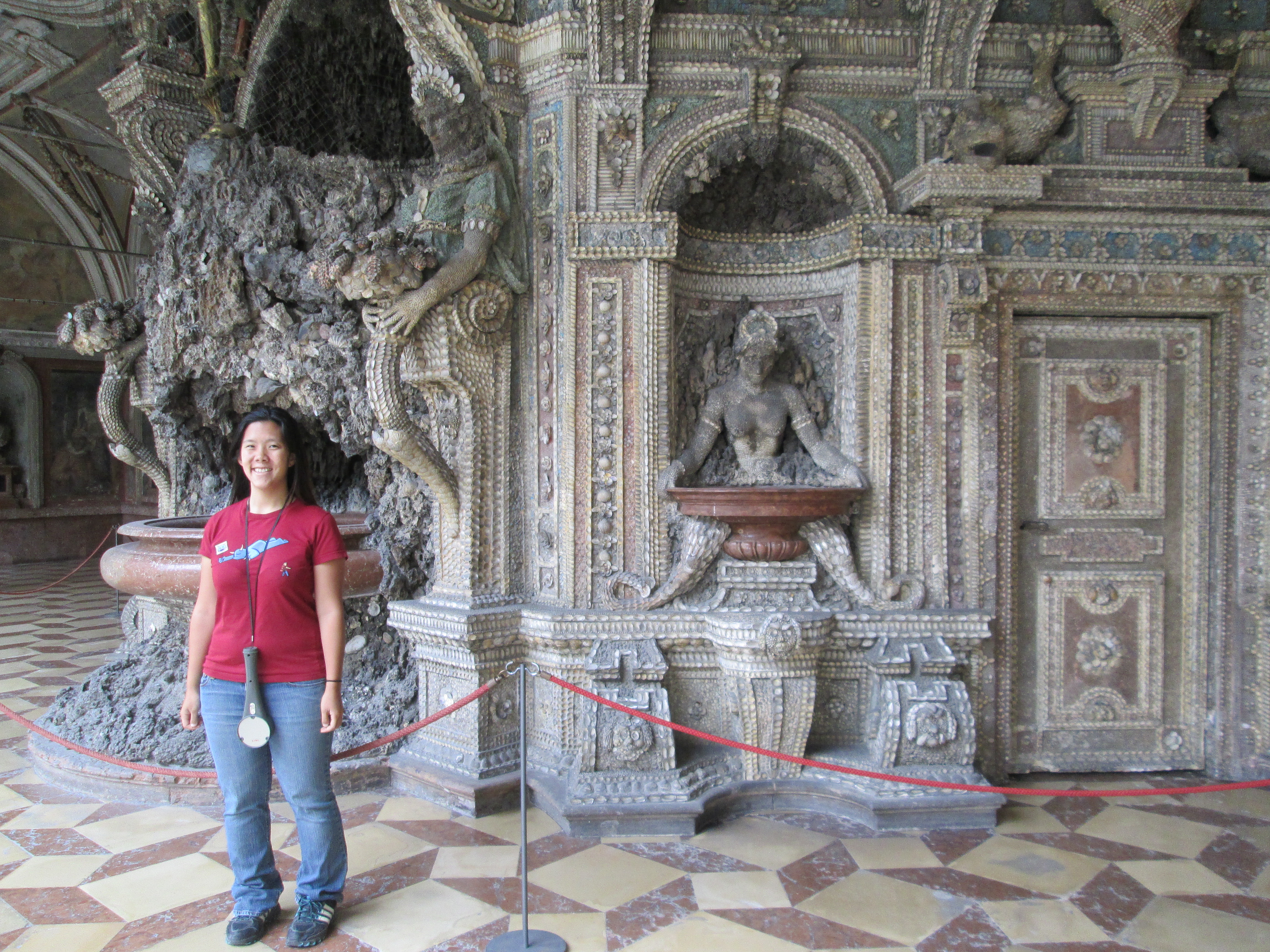
Finally approaching the Residenz, one could not imagine the mysteries that lay within its walls. It is the former royal palace of the Bavarian Monarchs. The complex contains ten courtyards and encloses 130 rooms. Original builds were constructed in 1385, and financed as a sanction for the failed uprising against Stephen III and his younger brothers. Over the centuries it has been continuously developed, and after four hundred years, practically replaces the entire former city quarter. It now includes a large variety of styles such as Late-Renaissance, Baroque, Rococo, and Neo-Classicism.

2013-05-17 07.32.132013-05-17 03.03.592013-05-17 06.43.512013-05-17 06.32.15

I didn’t nearly expect to get suctioned into a black hole of wonder and history, yet the Residenz is one of the few former palaces that have achieved this. Each room is both unique and a surprise, as the former rooms give few clues about the what architectural secrets it may contain. The work is intricately detailed, and provides a foundation upon which I could imagine the richness and allure of holding the Bavarian Crown. 5 hours later, I was exhausted, and had completely depleted any energy I had.


Travel: Vienna Churches

Despite my growing impatience for the medley of iconic religious frescoes, alters, chapels, and biblical interpretations, I continue to struggle with avoiding the visitation of churches. It is not hard to deny how intrinsically the tie into european culture; the strength of the populations devotions has deep roots with the development of heritage. As such, the following two are presented briefly.

2013-05-14 12.09.30

St. Steven’s Cathedral is an icon of Vienna, and dominates the shopping streets of the city center. It is  the mother church of the Roman Catholic Archdiocese, and the seat of the current Arch Bishop, Christoph Cardinal Schönborn. The site stands on the ruins of two earlier churches, the former dating from 1147. As a symbol of the city, it has borne witness to vital moments of Austrian History. The tomb houses the Bishops, Provosts, and Ducal crypts. Furthermore, it was only spared damage from the World War II bombings, when Captain Klinkicht disregarded orders from the city commandant to leave it in just debris and ashes.

2013-05-15 09.28.14

Interesting Fact: “The composer Ludwig van Beethoven discovered the totality of his deafness when he saw birds flying out of the bell tower as a result of the bells’ tolling but could not hear the bells. ”

The roof is multicolored, and despite its exterior having been marred black by pollution overtime, significant restoration projects have helped it regain its glossy tiled and white facade.

The Interior is a rainbow of colors that interplay with each other along the Gothic/Romanesque pillars, high spanning nave, and mass of windows. It is a current art feature, and provides a creative, modern-day take on the limestone cathedral.

2013-05-15 08.43.352013-05-15 09.38.48

I also stopped by to visit St. Peter’s Church. It lies but a few streets away, but the two couldn’t be more different. This other one reflects the Baroque style, and maintained by the priests of the Opus Dei. Despite having origins dating from the early middle ages, the current building was inspired by St. Peter’s Basilica in Rome, with construction beginning in 1701. The interior golden stucco is particularly eye-catching given how solemn and dark the interior is, due to the current scaffolding that masks the exterior.

2013-05-14 11.44.582013-05-14 11.45.31

2013-05-14 11.39.14

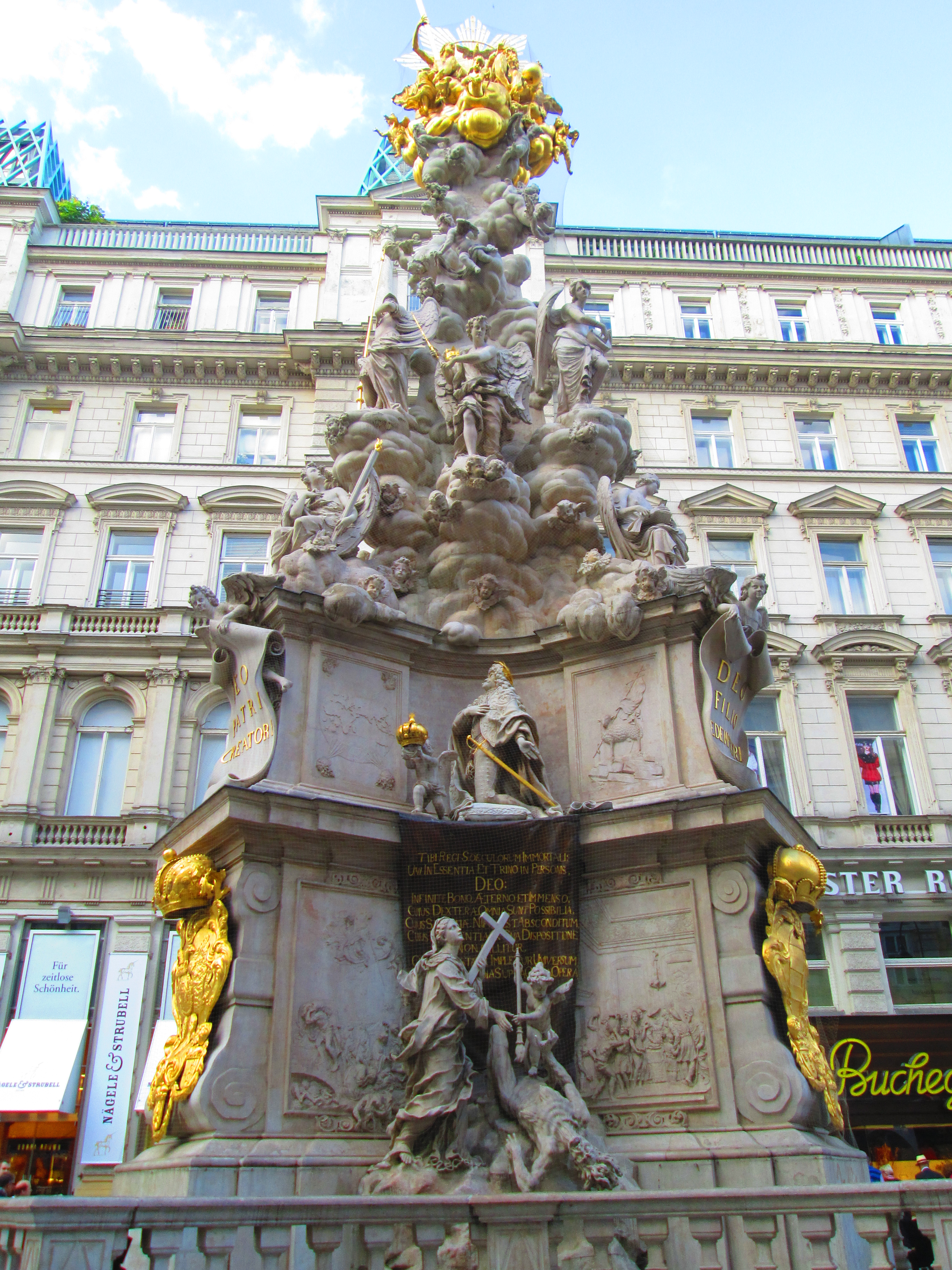
The infamous Plague Column also lies within mere spitting distance. It was designed, and installed to fulfill a vow made by  Emperor Leopold I in 1679, when he fled the plague epidemics, saying that if it would end, a mercy column would be erected in remembrance.

Travel: Palaces of Vienna

Finally summoning the willpower to leave Prague, I found myself in the capital of Austria. As home to Sigmund Freud, and a history of providing philanthropic support to inspiring composers, Vienna is indeed the ‘City of Dreams and Music.’ It is hard to miss the beauty of its streets, as merely a stroll down any avenue will greet you with gorgeous architecture, baroque décor, and green landscapes.

I never considered myself ‘Palaced-out’ until I visited Vienna. The city has enough imperial palaces to satisfy the requirements of a minor ‘Disneyland’. As such, I averaged a royal residence a day, and each had its own unique quirks. Though I will admit, my enthusiasm has begun to wane in regards to both palaces and churches.

2013-05-14 02.10.37

My first visit commenced at the Schönbrunn Palace, as it was within easy walking distance of my hostel. It consists of 1,441 rooms designed in the  Rococo Style.  Once again, as in the case of Versailles, it originated as the court’s recreational hunting ground on an estate that was purchased the Holy Roman Emperor Maximilian II in 1569.

A mansion named Katterburg was subsequently erected, and then an Orangery added on by Eleonora Gonzaga, wife of  Ferdinand II in 1643.

2013-05-15 04.36

The next palace was the Belvedere Palace complex. Prince Eugene of Savoy purchased a sizable plot of land in 1697, and chose Johann Lukas von Hildebrandt as the chief architect. His vision was to construct a landscaped garden and a summer residence. He had to wrest the upper portion of land from imperial Grand Marshall Count Heinrich Franz Mansfeld, Prince of Fondi, by taking out a large loan secured against Stadtpalais. Thus, Lower Belvedere and Upper Belvedere became a united estate.

2013-05-14 10.35.45Vienna’s last, but most renowned palace is the Hofburg Palace, the primary residence of Emperor Franz Joseph I and Empress Elisabeth. It was a rare love match for the royal couple, despite ‘Sisi’ neglecting her duties as Empress, and spending much of her time traveling abroad. The complex itself is stunning, and incorporates many buildings, which have since been converted to accommodate museums, libraries, and theatres. This area has been the document seat of government since 1279, and the residential portion is now termed the ‘Sisi Apartments.’ Although not well respected in life, due to her indifference to participate in royal court, ‘Sisi’ was remembered fondly in her death after she was assassinated by the radical Italian anarchist Luigi Lucheni in Geneva.

2013-05-14 04.16.15

Overally each palace was unique and rested on absolutely gorgeous grounds! The architectural landscape is so elegantly crafted and detailed, that despite the centuries past, you can almost feel the royal presence strolling through the gardens.

Travel: Kutna Hora

I made some new and worldly friends while on a day trip from Prague. One of them I met because we jointly decided to split this delicious looking ham that was roasting over an open spit in the Old Town Square. I had to run off to join a scheduled tour, but we met at the train station the following day, and she made a friend on the platform before I met up with her, and then we picked up another stray after we arrived in Kutna Hora. It never ceases to amaze me how minute splashes of fate can cause endless ripples of connections and friendships.

2013-05-10 05.00.02

Kutna Hora is a well-preserved town about 1-hour outside of Prague. It began in 1142 with the founding of the first Cistercian Monastery in Bohemia. This evolved into a town when German Miners began to mine for silver in the mountainous region of Kuttenberg that was part of the Monastery land. In 1300, King Wenceslaus II of Bohemia issued the code Ius Regale Monanorum, a legal document specifying the technical terms and conditions necessary for operation of the mines. The city than underwent economic boom, and expanded rapidly competing with Prague in all aspects.

However, as we know with all great cities, they tend to fall as well. This began with an unsuccessful attack by Emperor Sigismund on the Taborites during the Hussite Wars in the early 1400s. After Bohemia passed to the Hapsburg Monarchy of Austria, the richest mine was flooded in the mid-1500s, effectively shutting down the city’s main industry. In 1770, the area was further devastate by fire, and the mines were officially abandoned at the end of the 18th century.

2013-05-10 04.48.232013-05-10 04.53.28

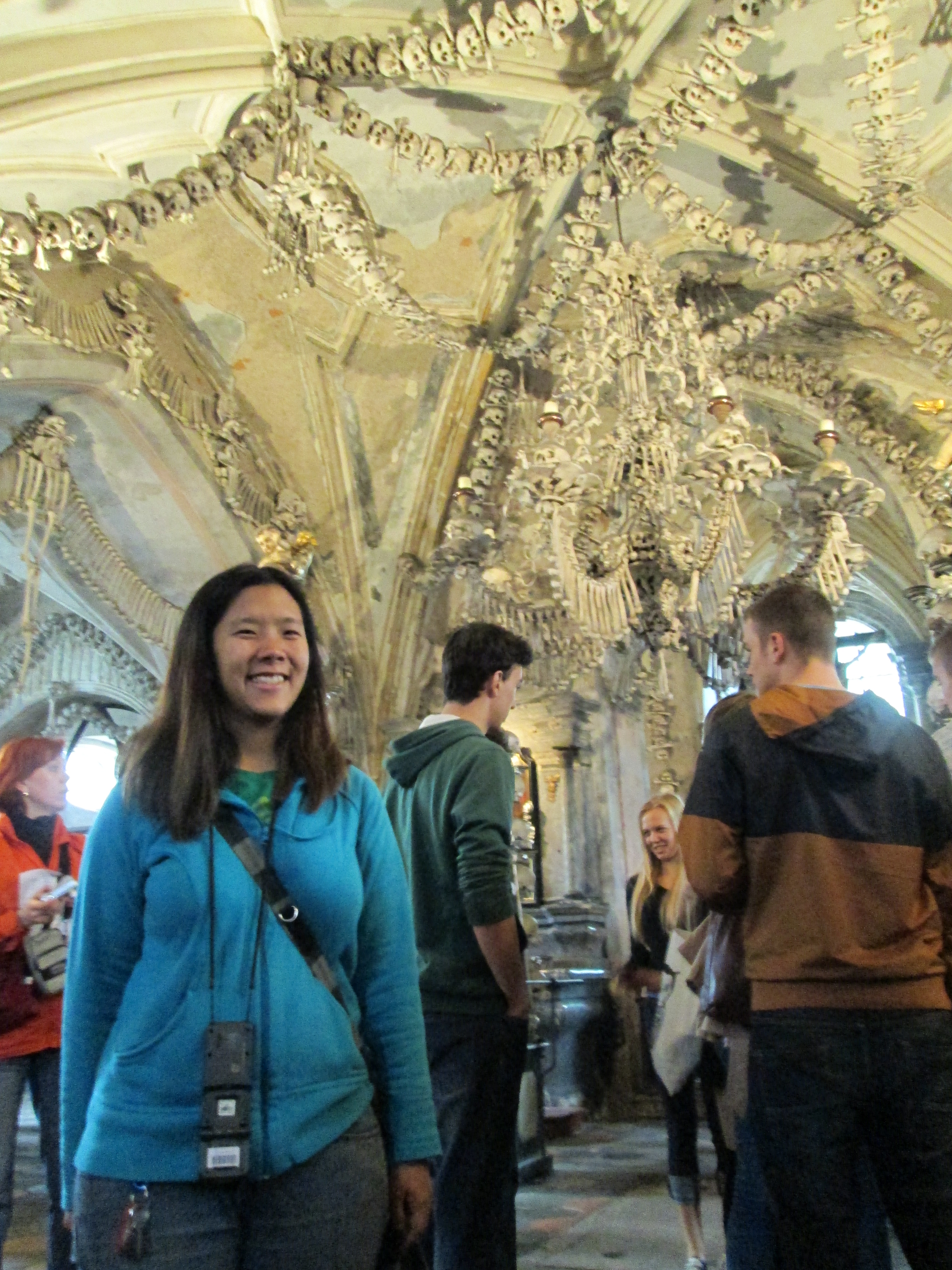
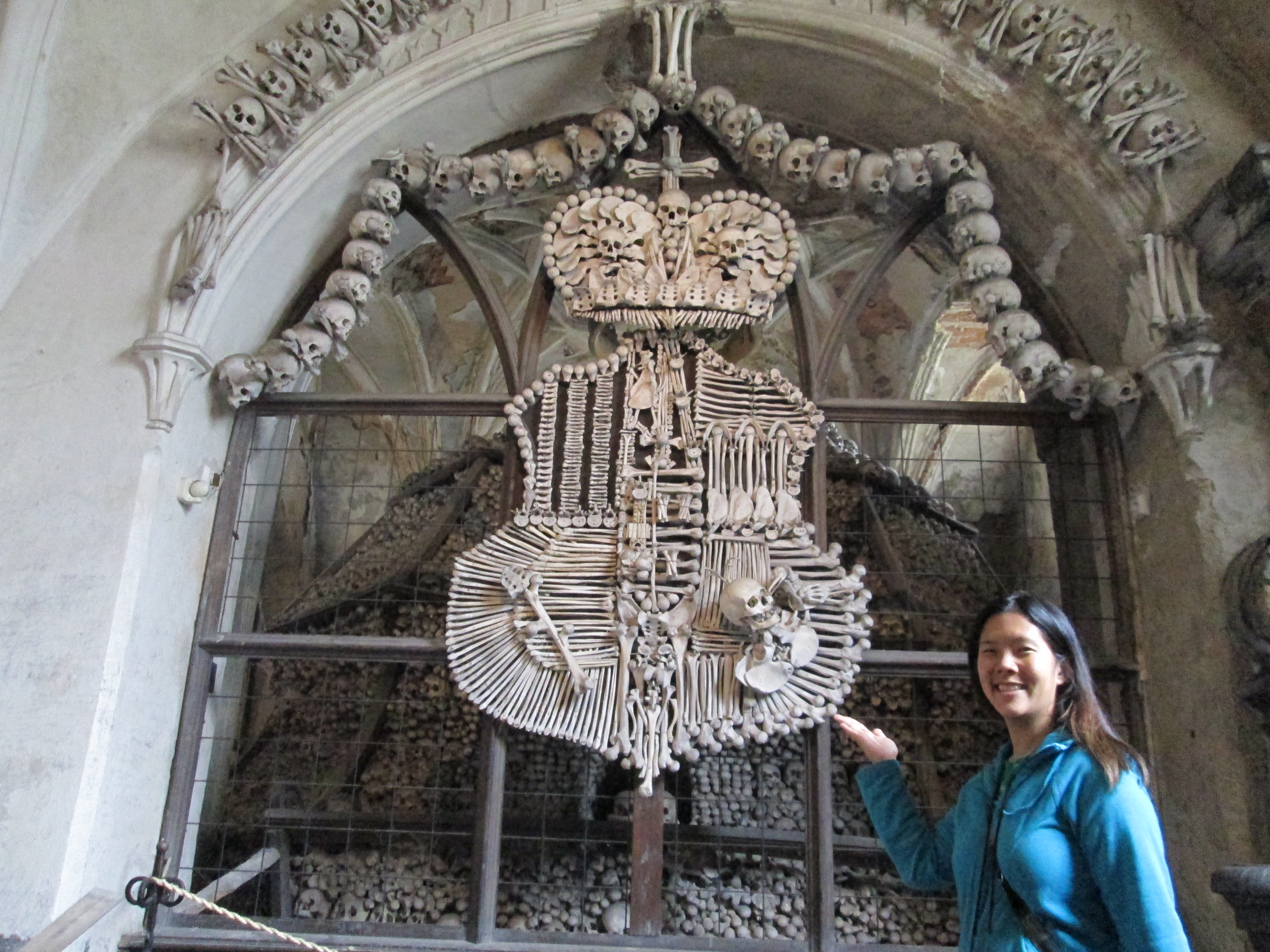
After struggling with some navigation issues, we managed to make our way to the Sedlec Ossuary; it is more commonly called the Roman Catholic ‘bone-chapel.’ This stems from the interior decor that is estimated to consist of the bones of between 40,000 to 70,000 people. While this may seem dark and ominous, it can be understood when one considers the mass graves required in the mid-14th century, during the Black Plague, and the early-15th century, during the Hussite Wars. After 1511, a blind monk was assigned the task of exhuming skeletons and stacking the bones, this resulted in macabre pyramids, a chandelier, and a coat of arms.

2013-05-10 05.06.39

The visuals I saw both made me shudder in mild fear, since it is still common to associate bones with death and decay. But I also began to understand the chapel as a final resting place for peace. The bleached and starkness of the coloring doesn’t signify emptiness or being alone, but it speaks of purity, and entering the next life cleansed of sins and regrets.

We then stopped by the St. Barbara Church. (Of course! Another Church!); It is one of the most famous Gothic Churches in central Europe. It make’s sense that St. Barbara is the patron saint of minors, therefore a religious building attributed to her is appropriate. Construction of this sprawling cathedral began in 1388, but work was interrupted multiple times and it was not complete until 1905. It doesn’t even live up to the original design, as the it called for a larger church up to twice the size of the present one.

2013-05-10 08.462013-05-10 08.28.54


Travel: Old Prague

In the midst of Prague lies the old town. I ventured into this step back into time, to bear witness to sprawling medieval architecture that helps maintain the city’s archaic atmosphere. I used the word archaic not to emphasize viewing her as rough or uncultured, but to stress how well her ancient roots are preserved.

2013-05-09 05.40.28

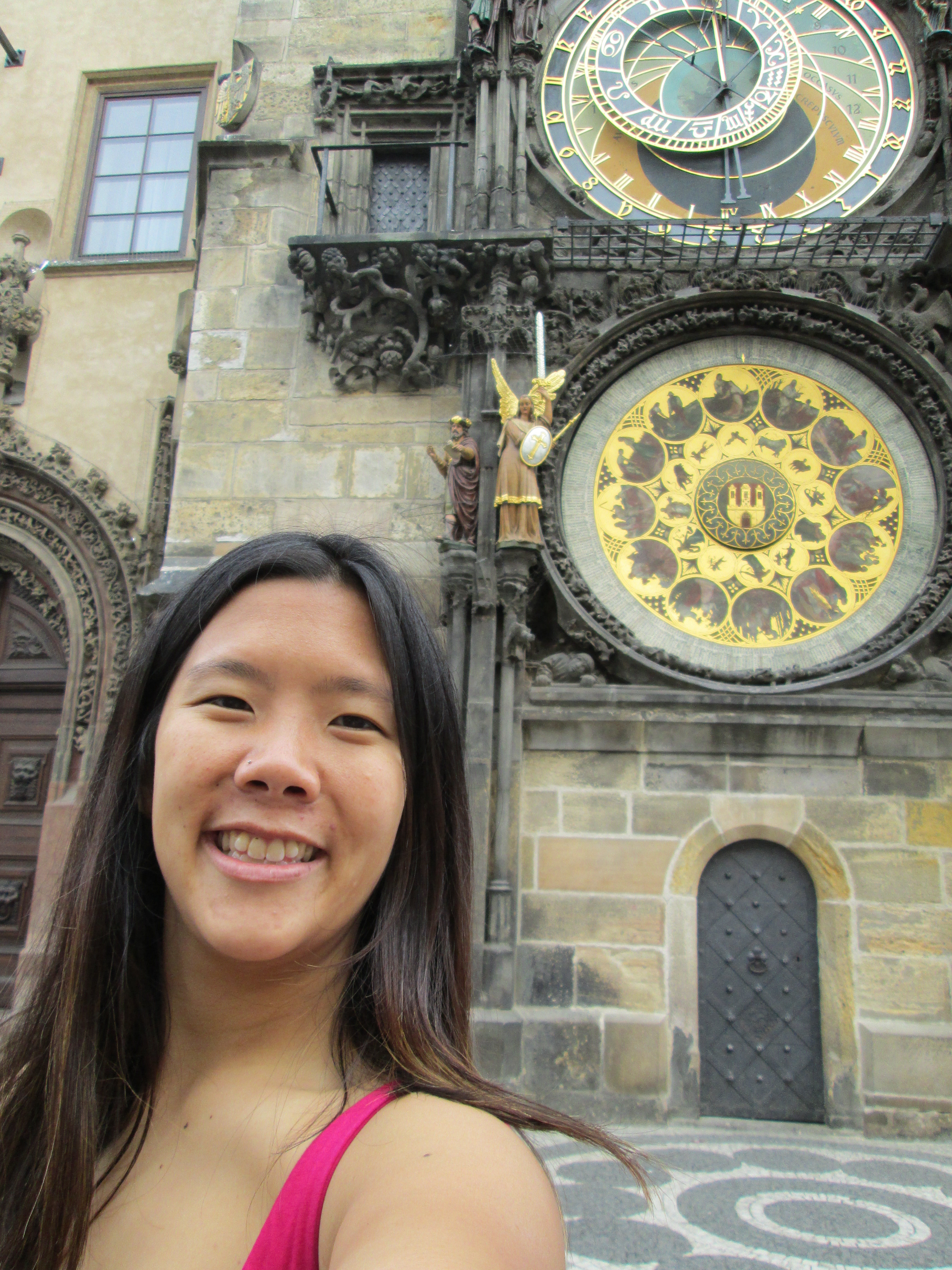
An Astronomical Clock on the face of the city hall’s tower dominates the old square. It’s name is the Orloj; It is an ingenious contraption designed by clockmaker Mikuláš of Kadaň and Jan Šindel in 1410. Jan Šindel was a professor of astronomy and mathematics at the Charles University. Over the decades and centuries, it has been subject to additional decorative features, maintenance, and repair. The clock itself was almost lost to the incendiary fire from German attacks on May 7-8, 1945 during the Prague Uprising.


There are two legends about this icon of Prague:

  1. The first is that the clockmaker was blinded by the city so that he could not repeat his magnificent work; they say that in revenge, he broke the clock and it was irreparable for the next hundred years. 
  2. The second is that if the clock is neglected, or it’s operation is in jeopardy, the city will suffer.

2013-05-09 08.01.14

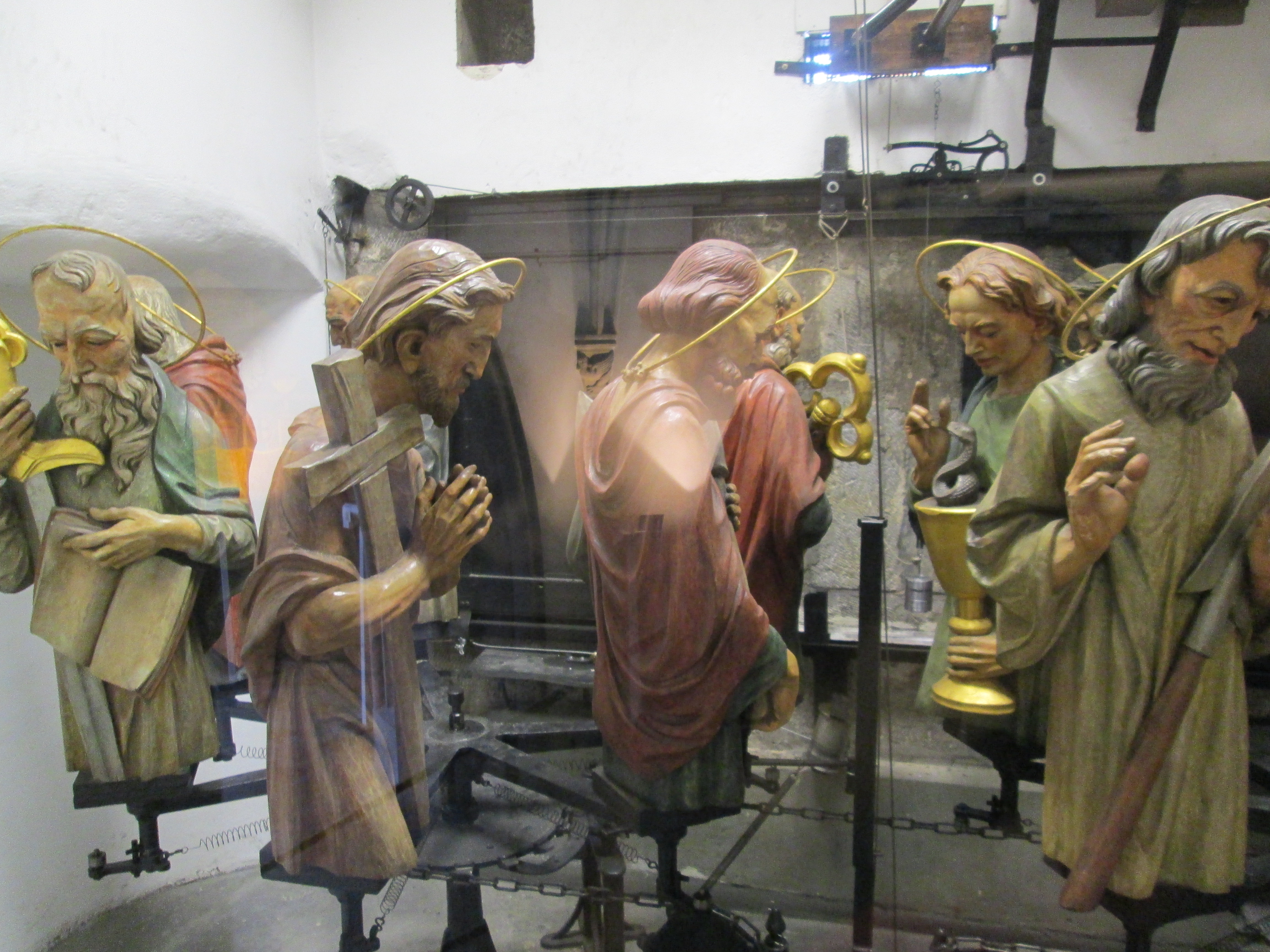
I was fortunate enough to approach the clock a few minutes before it hit the hour. On each hour, a rotation of 12 figures can be seen within its windows. This is known as “The Walk of the Apostles.”; Glimpses were caught as each appeared for a brief moment before giving way to the next apostle.

Additionally, there are four figures that flank the clock, representative of 4 virtues that were despised in the 1400; they were vanity, greed, death, and pleasure or entertainment.

After this, I detoured to (you guessed it!) two of Prague’s most famous churches in the square:

St. Nicholas Church was built between 1704 and 1755, and is often described as “the most impressive example of Prague Baroque.” It lies on the remains of a 13th century gothic church. The interior decoration is particularly mesmerizing due to the detail of the frescos by Jan Lukas Kracker and Frantisek Xaver Palo. Furthermore ornamentation is provided with Frantisek Ignac Platzer’s sculptures. Mozartis known to have made an appearance here when he played the Baroque Organ, consisting of 4,000 pipes and up to 6 meters in length, in 1787.

2013-05-09 05.14.002013-05-09 05.17.43

2013-05-09 05.06.42

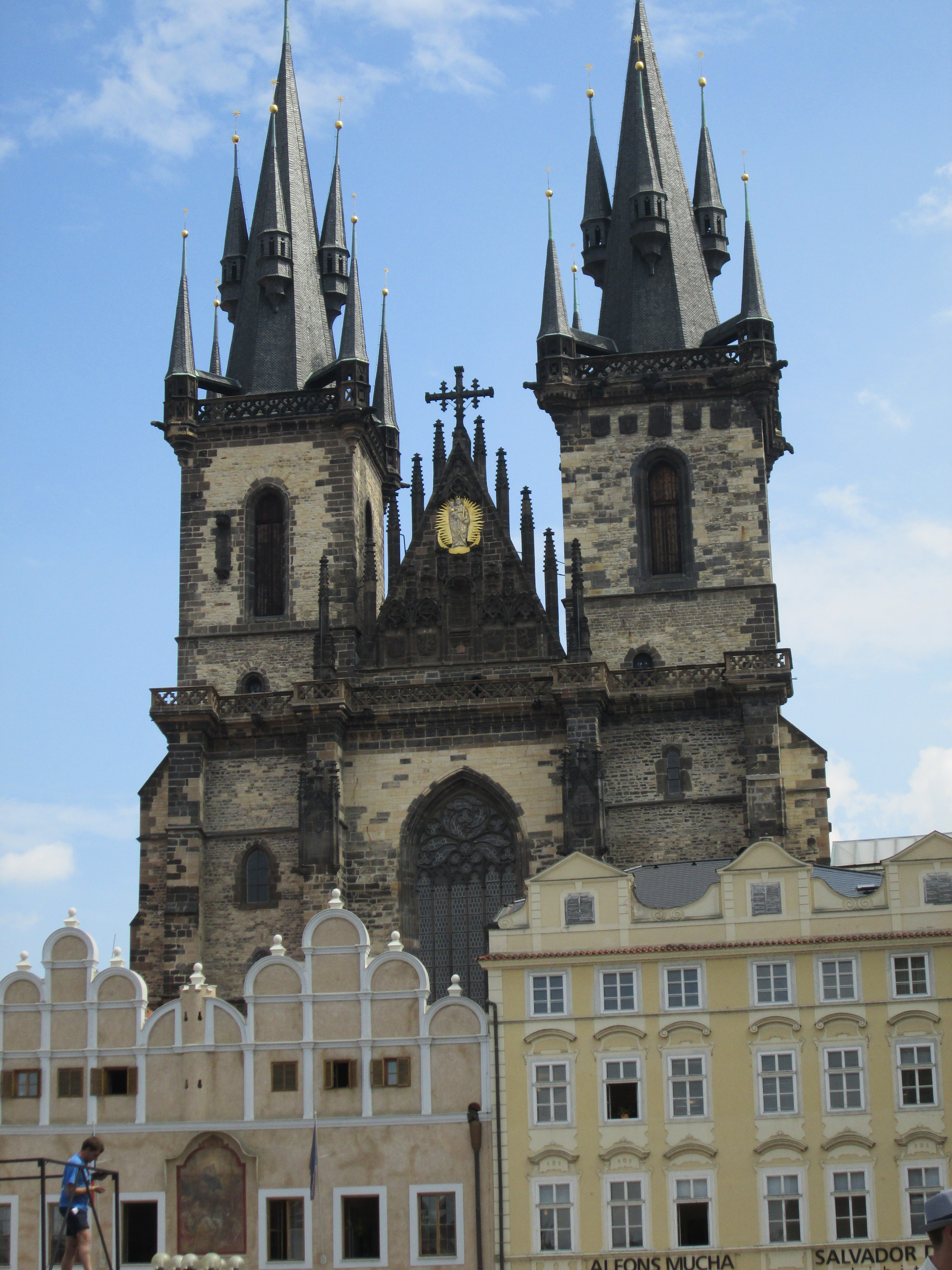
Our Lady before Tyn dominates the Prague Skyline as if it is the Watchdog of the city. This site originally housed a Romanesque Church in the 11th century, and was replaced by an earlier Gothic Church in 1256. The oldest pipe organ in Prague lies within it’s walls. Additionally, the Danish Astronomer Tycho Brahe is buried here. You may also consider it fascinating to know that this is the church that appears in the opening scenes of xXx.

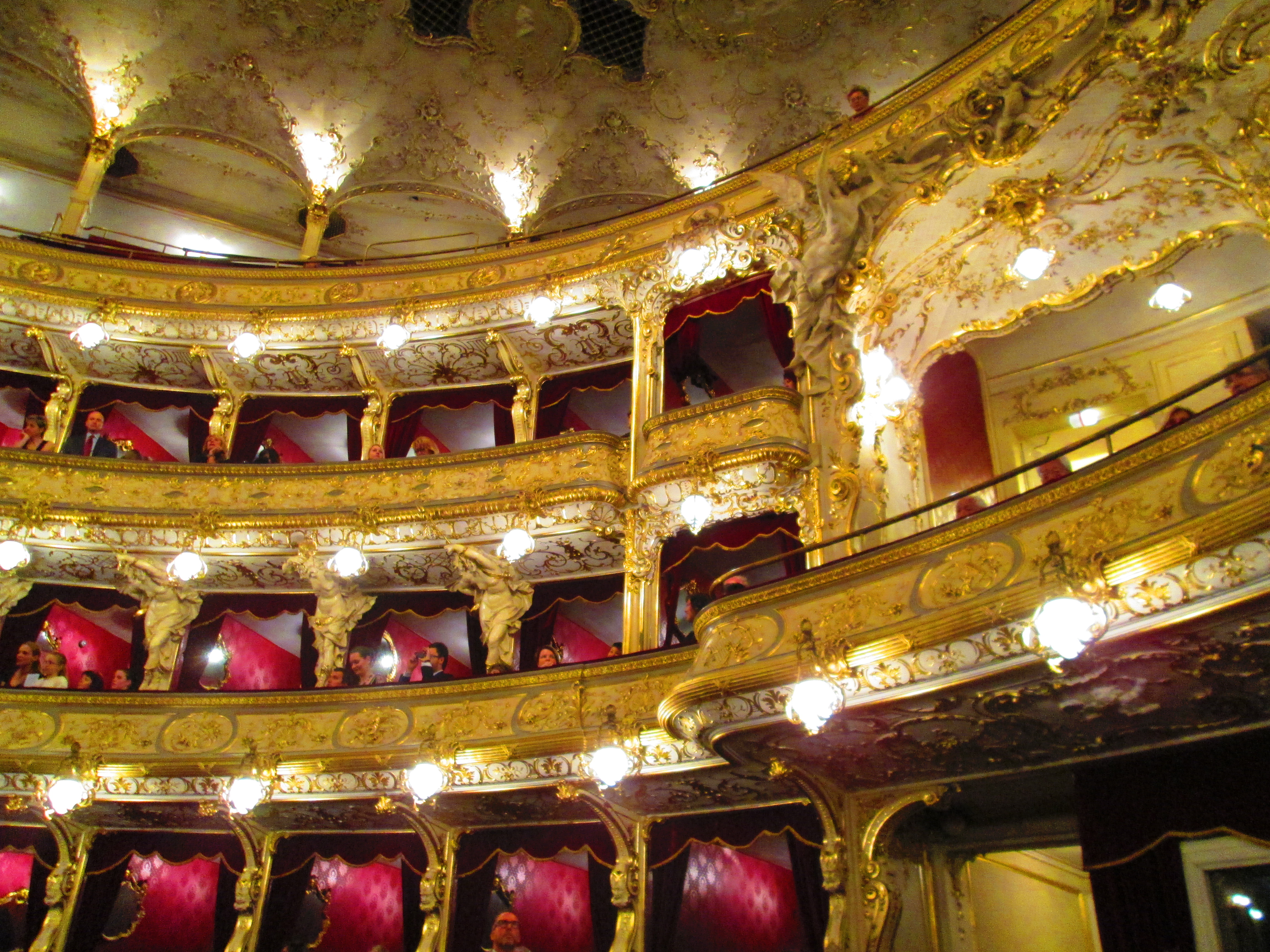
I wrapped up my history  filled day by treating myself to a famous Czech Opera at the State Opera House. The interior was decorated extravagantly and I felt a little drab amongst my peers. (I am backpacking across Europe after all, how fancy did you think I could get?). Rusalka was filled with magic, beautiful soaring voices, and ethereal actors.

2013-05-09 11.43.062013-05-09 11.52.01


Previous Older Entries Next Newer Entries