Travel: Labyrinth of Mykonos

2013-06-07 09.31.29

With nothing strategically planned for our days on Mykonos, we enjoyed sleeping in and emerged from our cabins when the sun was high. Having made some friends the previous night, we decided as a group to rent ATVs and Mopeds which would allow us to travel around the island at free will.


The roads are very irregular and as a result we got confused and lost multiple times. However, after some significant effort, and retracing our steps, we found our way into town.

2013-06-07 07.15.42

Our first insight into Chora was a bright pink Pelican. “Petros” is considered a “celebrity” of the town’s waterfront, and took up his permanent residence on the island after a storm in 1954. This is his successor as the original bird has passed away.

2013-06-07 07.09.49


In the distance, on a hill overlooking the water, we encountered the Windmills. An iconic feature of the landscape, they were initially built by Venetians in the 16th century in order to mill wheat. Construction continued into the early 20th century, and they were the primary source of income for Mykonos’ inhabitants. In the present day, they have been refurbished and serve as residences, museums, or even storage space.

2013-06-07 07.41.39


Finally, we ventured into Little Venice. Dating from the mid-18th century, these houses originally belonged to rich merchants are captains, and the little basement doors provided direct access to the sea and storage areas. Because of this, suspicions arose that the owners could have secretly been  pirates!

2013-06-07 07.54.38


In the recesses of the maze-like narrow streets, we found my favorite confection! Crepes!

The day was polished off with some aimless wandering amongst a geographic cropping  on the coastline. We climbed on large rocks, played photographer and model, and explored the crevices and creatures that the island has to offer.

2013-06-08 09.03.222013-06-08 09.02.05

Travel: Anafiotika

After we completed our descent of the Acropolis, we rendezvoused with a new travel-friend and took a break for lunch. See some of the fantastic food we had below! I am not normally a big fan of eggplant, but I rather enjoyed the Moussaka (it was probably creamy enough that I did not notice the typical flavors that I dislike).

2013-06-05 07.39.162013-06-05 07.45.462013-06-05 08.35.21

2013-06-05 09.44.28

Completely stuffed to the brim, and being of the female species, we took some time to browse the quaint little shops in the immediate vicinity. I was incredibly tempted to purchase some carved olive wood utensils or sculptures, but I was hard-pressed to add another purchase to my backpack burden (given my incapacity to avoid buying a Venetian Mask during my stay in Venice).

I also really wanted to buy a toga despite how stereotypically tourist that act and owning that article of clothing would have been. Thankfully, my friend talked me out of it by commenting on the quality of the stitching and cloth versus the price they were asking.

2013-06-05 11.19.23

We then wandered through the quaint neighborhood of Anafiotika. It is a small, picturesque area that resides in the historical region called Plaka. Original houses here were constructed during the era of Otto of Greece when workers migrated to Athens from the island of Anafi in order to construct and refurbish King Othon’s Palace. It is from these small origins that these colorful, idyllic Grecian houses came to inhabit the northeast side of the Acropolis Hill.

2013-06-05 11.26.00


The beautiful scenery and the narrow streets were utilized by us in a valiant attempt to capture some model-esque poses and pictures amongst the whitewashed walls in stark contrast to the surrounding vegetation.

My attempt was  less than satisfactory given my travel lag from the tedious multi-transfer and ferry trip I took in the previous days to traverse the Mediterranean Sea.

2013-06-05 11.47.42

I caught some interesting pictures of graffiti when we finally emerged from the winding and step-filled paths.

2013-06-05 14.09.17


The day was wrapped up with a quick traditional Gyro for dinner, and savoring some frozen Greek Yogurt. ^_^

Travel: Vibrancy of Athens


2013-06-05 05.37.43Departing from the shadow of the Parthenon,  we climbed higher up the outcropping, where the Greek Flag proudly waved high above the city.

From here, we caught a great view  of the Temple of Zeus in the distance.


2013-06-05 05.44.13

Despite its current ruined state, this structure was once magnificent. As chief architect, Libon was charged with the intricate carving of the metopes and triglyph friezes. These were then  topped by pediments filled with sculptures in the Severe Style (now attributed to the “Olympia Master” and his studio).

This temple was the resting place of the Statue of Zeus, which was one of the Seven Wonders of the Ancient World. The Chryselephantine sculpture was made by the sculptor Phidias and approximately 13 m (43 ft) high It took him 12 years to complete it. On Zeus’s head was a sculpted wreath of olive sprays. He held a figure of Nike, the goddess of victory, made from ivory and gold in his right hand, and in his left hand, a scepter made with many kinds of metal, with an eagle perched on the top. His sandals were made of gold and so was his robe. His garments were carved with animals and with lilies. The throne was decorated with gold, precious stones, ebony, and ivory.

2013-06-05 06.24.47

The Erechtheum was encountered on our way down the slope.The current temple was built between 421 and 406 BC; It is surmised that the architect may have been Mnesicles, but it is known that the sculptor/mason was Phidias.

The namesake for this temple is derived from the theory that it was built in honor of the legendary king Erechtheus, who is referenced in Homer’s Iliad as a ruler of Athens during the Archaic Period.

An iconic view is the Porch of the Caryatids, more commonly known as the “Porch of Maidens” wherein six draped females are the supporting columns. This building is associated with some of the most holy relics of the Athenians, the  xoanon of Athena Poliasthe marks of Poseidon‘s trident and the salt water well, the sacred olive tree, and the burial places of the mythical kings Cecrops and Erechtheus, to name a few.

According to the myth, Athena’s sacred snake resided here. It was fed honey-cakes by Canephorae and when it refused to eat the cakes it was considered a disastrous omen.

Travel: Acropolis of Athens

Cherishing the shut-eye, we rose late in the morning. Despite the  beautiful weather and the sun shining bright in the sky, and knowing that quite a bit of uphill hiking would be involved, we decided to hop a metro to the base of the Acropolis, grabbing some coffee and croissants on the way. At the foot of the hill, we were fortunate to get into the region for free as it was a celebration day for the country.

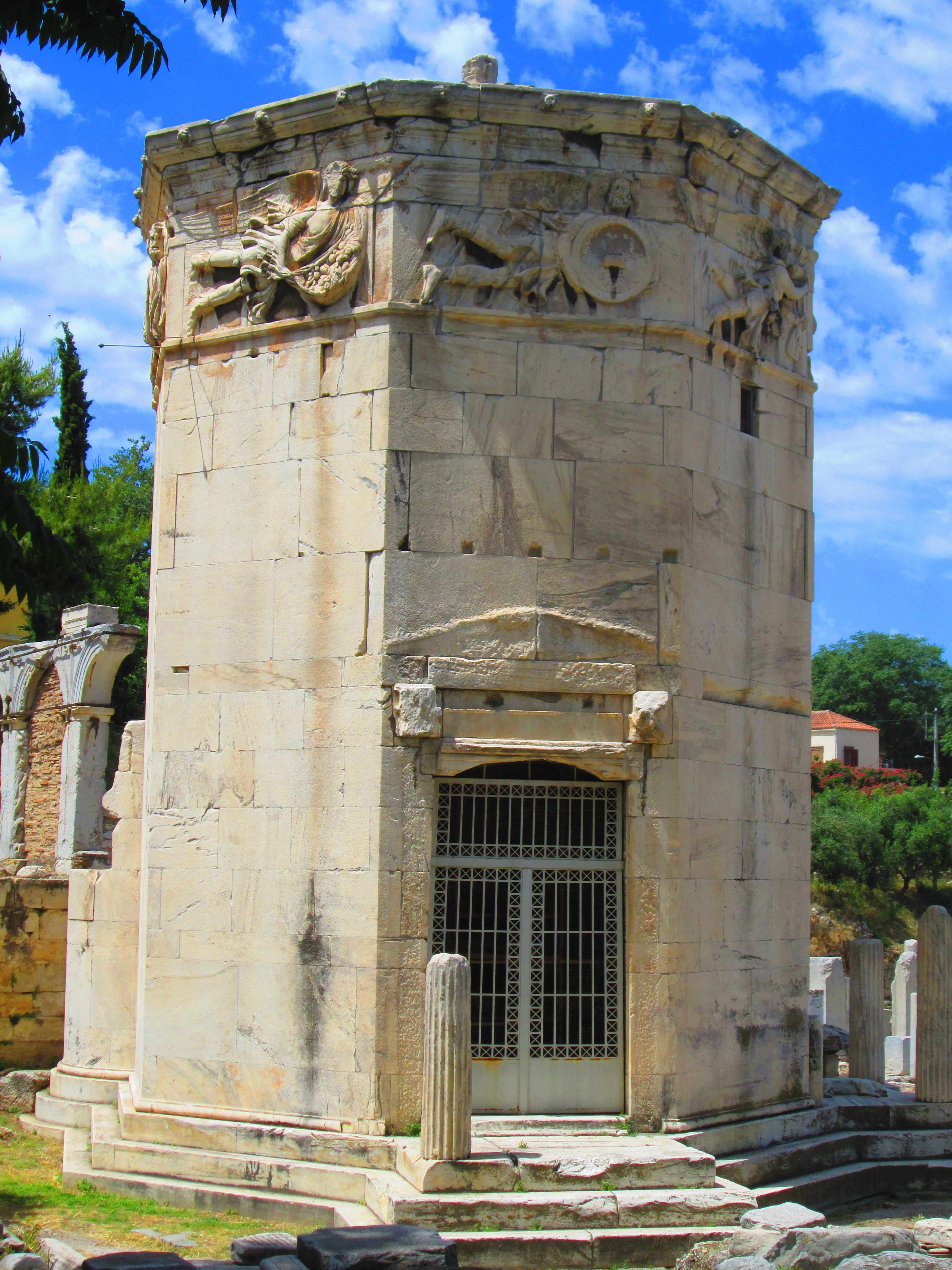
Some aimless meandering around the hill occurred while we searched for the appropriate path toward the top. On the way, we bypassed the Tower of the Winds.

2013-06-05 04.06.14It is an octagonal marble clock tower that resides in the Roman Agora whose primary function was to function as a “timepiece” or horologion.  The structure is 12-metres tall, has a diameter of 8-metres, and was topped in antiquity by a weathervane-like Triton indicating the wind direction. There is a frieze that depicts eight wind deities corresponding to the eight cardinal directionsBoreas (N), Kaikias (NE), Eurus (SE), Apeliotes (E), Notus (S), Livas (SW), Zephyrus (W), and Skiron (NW) – and below it, eight sundials.


Continuing up the Agora, we observed the ruins of the Temple Of Zeus from a distance, and a view of vibrant Athens.

2013-06-05 04.16.40

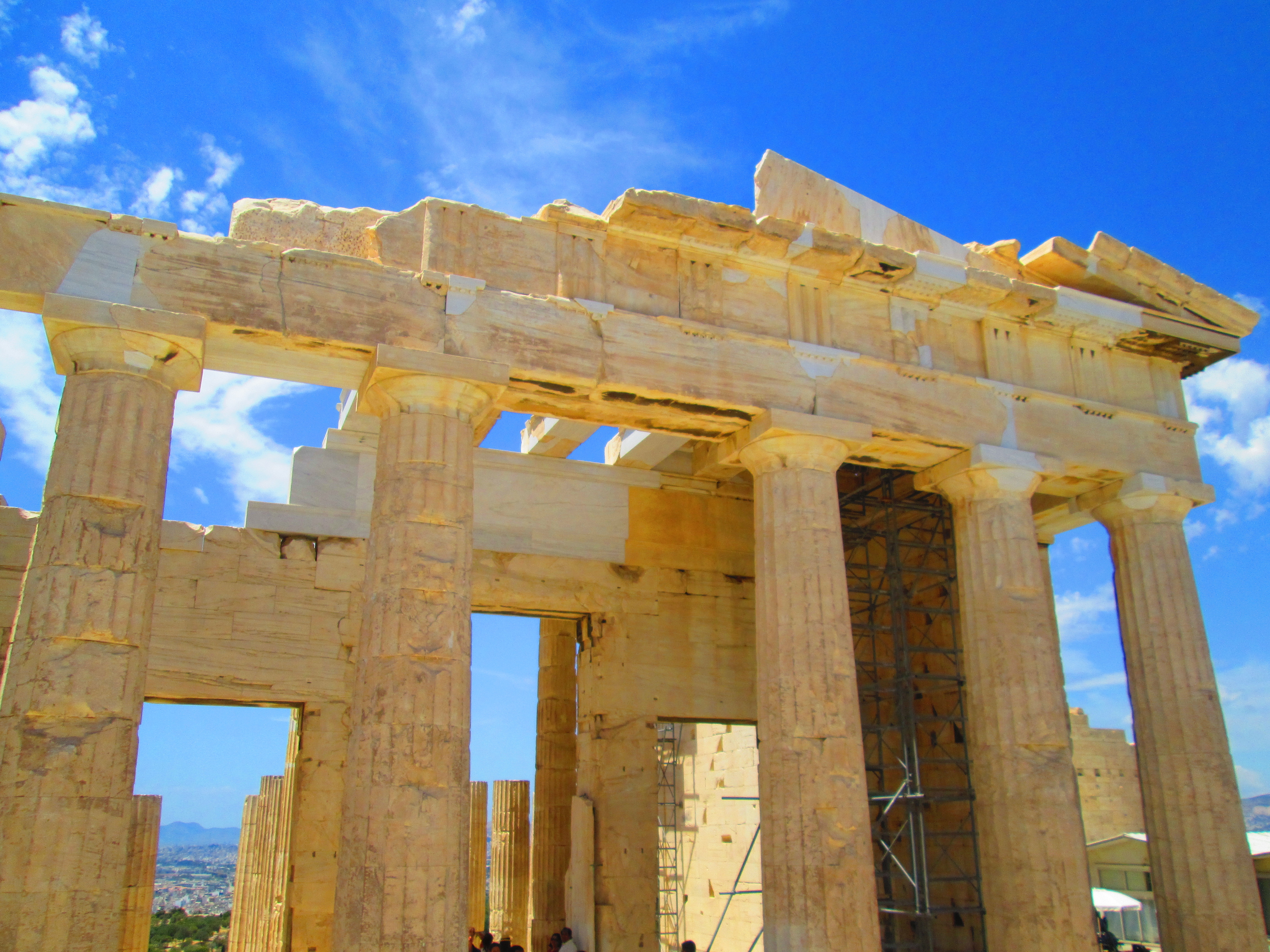
Not too long later, we ascended the steps of the Propylaea, a symbolic gateway that serves as the entrance to the Acropolis. (The Brandenburg Gate was inspired by this). Immediately beyond this window, one comes across the awe-inspiring Parthenon.


2013-06-05 05.33.52

Constructed from 447 to 438 BC, the temple was dedicated to the goddess Athena at the height of the Athenian Empire‘s power. It is recognized as the most important surviving building of  Classical Greece, and considered the culmination of the development of the Doric order. The decorative sculptures are the epitome of Ancient Grecian Culture, and this structure is an enduring symbol the continues to inspire future generations. It represents Ancient Greece, the prosperity of the  Athenian democracy, and the evolution of Western Civilization.

One of my favorite mythological stories, is of about how Athena beat Poseidon to become the patron of this great city.

2013-06-05 05.12.02

The citizens offered a competition to the greek gods in which each deity had to present a gift to the city, with the people serving as the judges. Poseidon struck the ground with his trident, and from it a salt water spring arose, providing a means of trade and water. However, due to it’s saltiness, it was not potable.

In turn, Athena presented them with the first domesticated olive tree. With this, Athena won the competition, for the olive tree provided wood to build and carve from, oil to light fires and cook, and olives as food.

Do you enjoy mythology? What is your favorite story? Why does it strike a chord in you?


Travel: Longest Travel day EVER (II)

2013-06-03 09.26.34

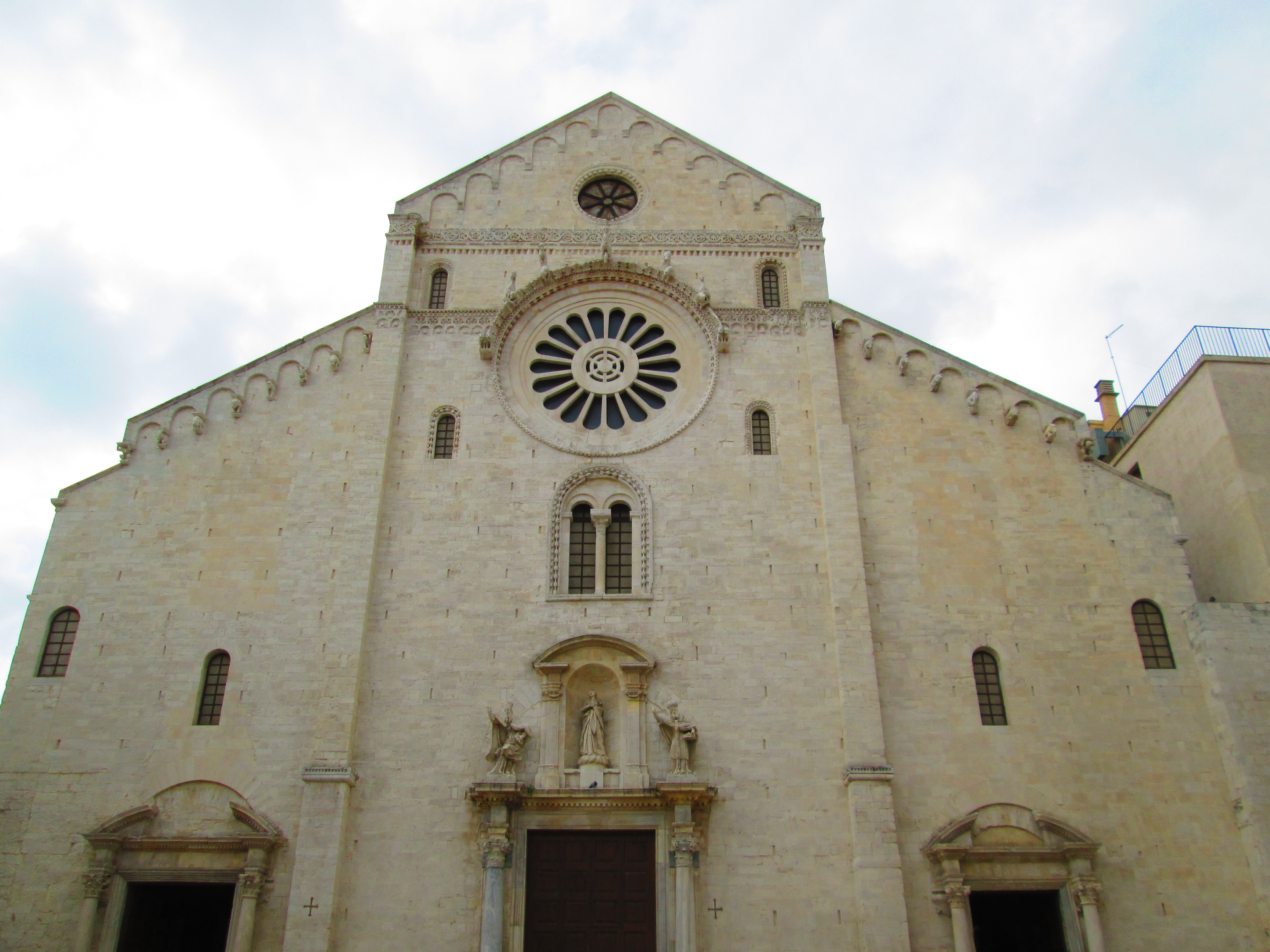
Coming out of the Basilica di San Nicola, the gorgeous weather took a turn, and I decided to venture to my next destination as quickly as I could. Unfortunately, being an old port town, the street alignment was very similar to Venice, meaning nonexistent. so I confusedly zigzagged and took a few random detours before finally reaching the Bari Cathedral.

2013-06-03 09.28.34

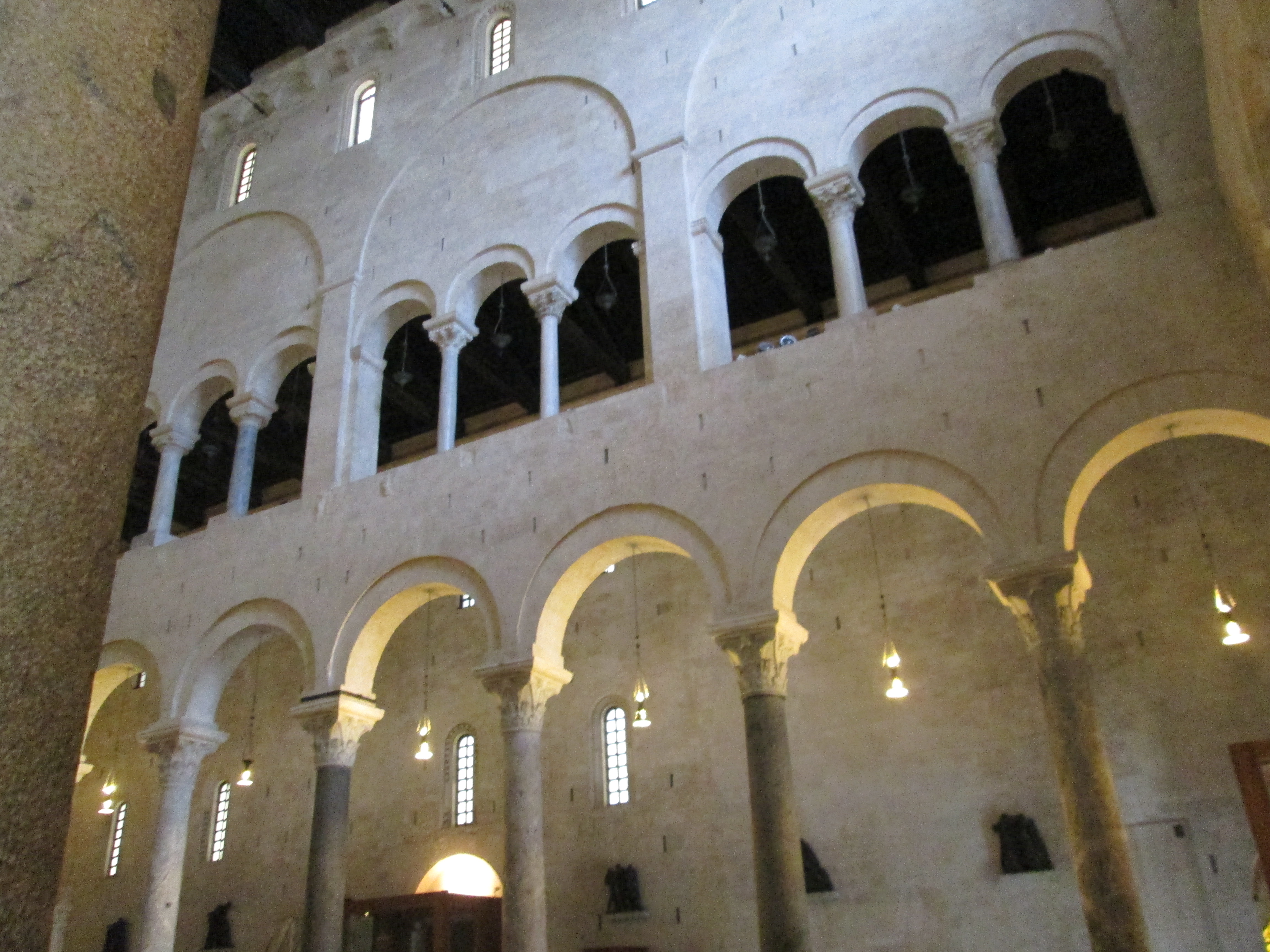
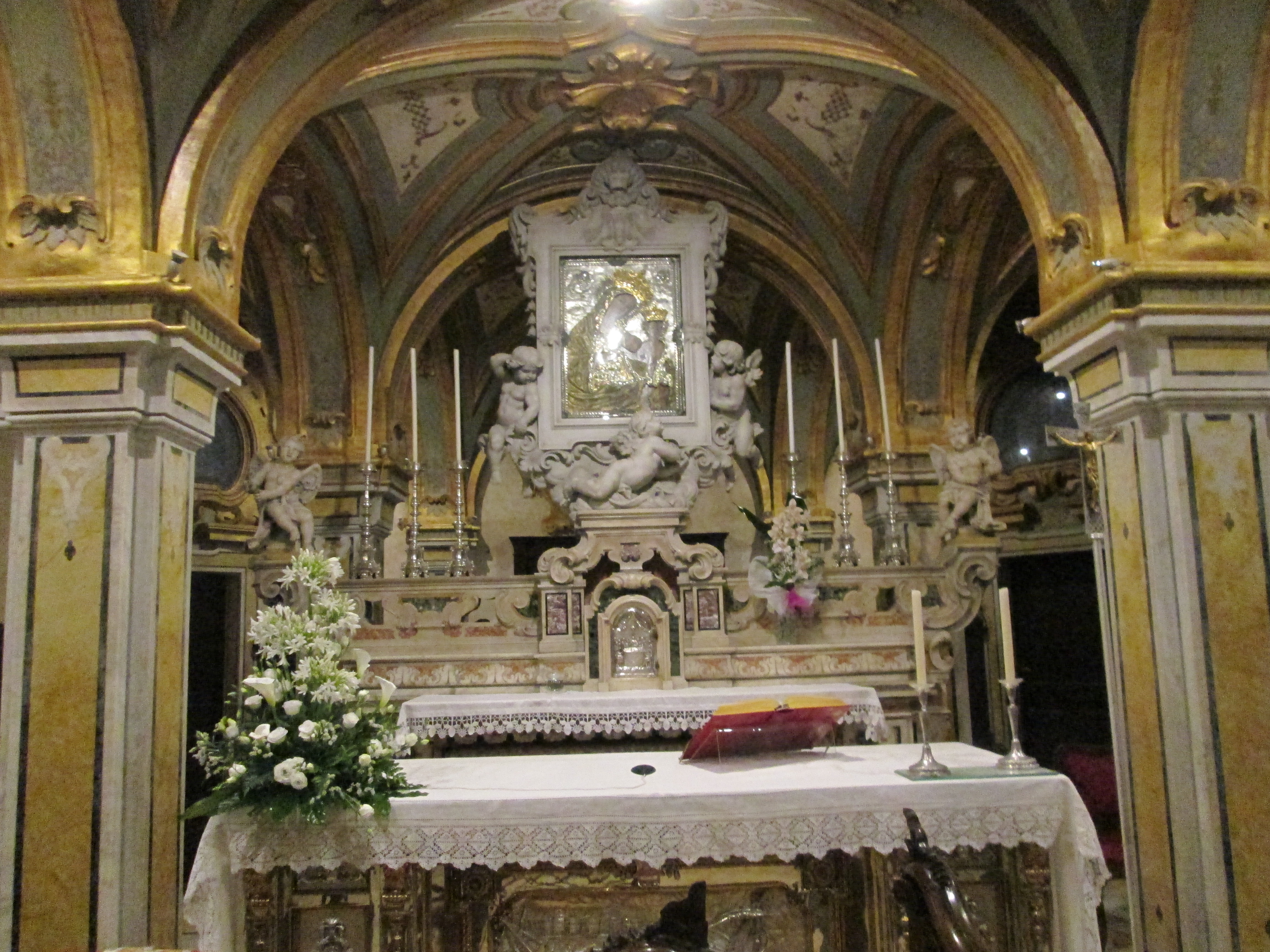
Despite being a lesser-known church than the former, it is actually senior to it and the seat of the Archbishop of Bari-Bitonto. The documented presence of a bishop can be traced back to Gervasius , who attended the Council of Sardica in 347, and his successor Concordius, who was present at the Synod of Rome of 465.  Elevated to an archbishop in the 6th century, the presence of a cathedral is documented during this period.

2013-06-03 09.36.09

The present building, however, was constructed between the late 12th and late 13th centuries, although the present nave does still contain traces of an ancient apses church building from before the first millennium, which had three aisles and square pilasters, and foundations on an axis slightly out of alignment from the current cathedral.  One of the mosaic pavements bears an inscription with the name of Bishop Andrea (758 – 761) and it seems highly likely that these are the remains of the first cathedral, which was destroyed in the 9th or 10th century.

It is an important example of  Apulian Romanesque. (I’ll have to come back to this style when I have more time to research it, as my dear friend Wikipedia has little to say). 

FYI: It is sometime around here when I started to mess around with my camera settings, and then I didn’t know how to undo them. 😦 SO I didn’t realize that the quality of my pictures for this set were off until too late.

2013-06-03 09.42.20

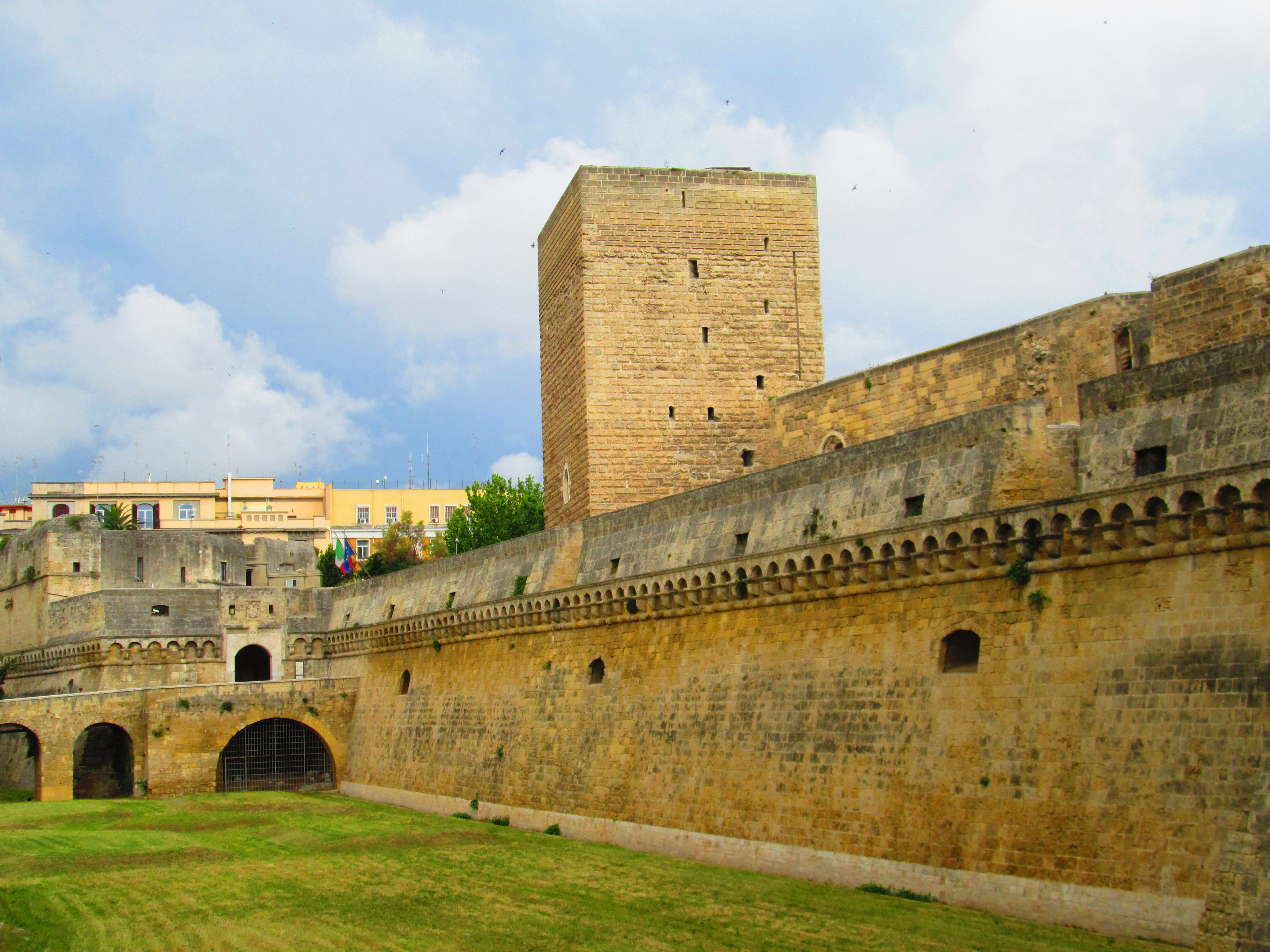
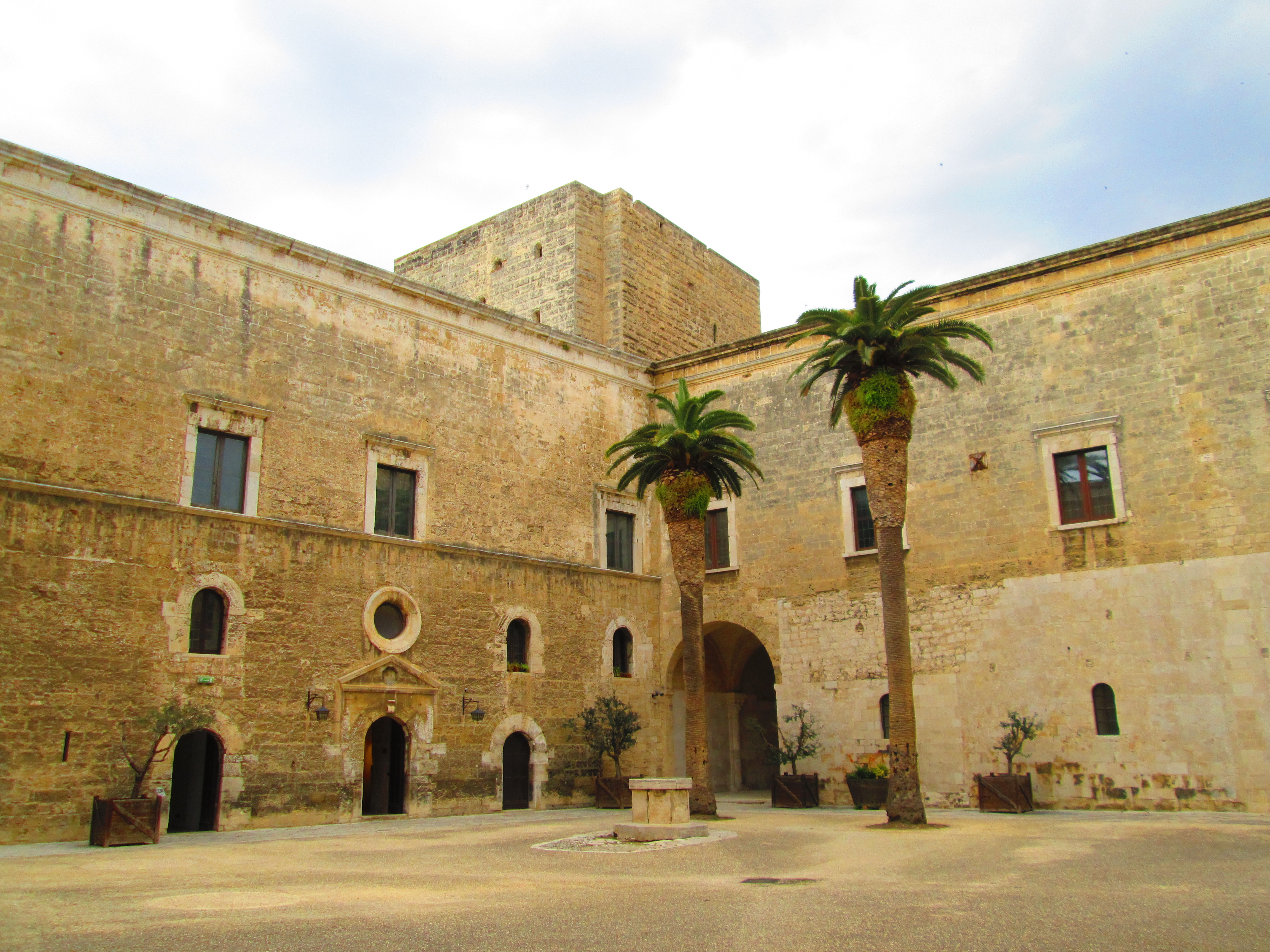
After this, I had, as a friend I met in Venice would put it, ABC (Another Bloody Castle/Church to see).  I suppose the common terminology would be Bari Castle, but it is known as the Castello Normanno Svevo. It lies within the Apulia region of Italy, and was built around 1132 by the Norman King Roger II, but was destroyed in 1156 by William I of Sicily before being  rebuilt and reinforced in 1233 by the Holy Roman emperor Fredrick II.

2013-06-03 10.17.46

During the Angevin domination, it went through several transformation, and after being acquired by Duke Ferdinand of Aragon, was donated to the Sforza family and passed to Bona Sforza, Queen of Poland. After Bona’s death, it was returned under the King of Naples and transformed into a prison and barracks.

The castle is surrounded by a moat on all sides, except the northern section, which was bordering the sea and can be accessed from the bridge and the gate on the southern side. It is mainly composed of the Aragon walls and the main Swabian tower, and is currently used for exhibitions.

I am almost grateful that Greece is not a nation known for its castles or churches. Of course, the equivalent is that it is known for it temples and the gorgeous beaches and breathtaking landscapes. More on this later.

Travel: Longest Travel day EVER.

The last leg of my trip, I was excited to rendezvous with some good friends from home sweet home, New Jersey. 🙂 Unfortunately I was meeting with them in Athens, Greece, and getting there from Italy is not quite as straight forward as it seems with the EuroRail Pass. I first had to manage to get myself to the Eastern side of Italy to a town called Bari. From there, I was to hop a ferry (paying only the fuel surcharge and port tax) which would get me to the Grecian Peninsula Town of Patras (I’d figure out the last leg when I got to Greece.)

2013-06-03 05.29.16

Rather than rushing through each transit option, and to avoid a stopover on my train, I chose a 7 AM train. This allowed me a few hours to explore Bari before being sequestered on a ferry for the 18-hour cruise time.

2013-06-03 05.32.41

Arriving in this quaint town around 10 AM, I strolled to the port to acquire my tickets and stretch my legs. Being a port town, the sun was bright, the air was fresh with salt, and the atmosphere was relaxed.

2013-06-03 05.49.38After obtaining my tickets and boarding time, I decided to embrace the concept of aimless wandering, particularly because I hadn’t planned on having time to explore Bari.

2013-06-03 08.56.30

I first ventured into the Basilica di San Nicola.  Built between 1087 and 1197 during the Italo-Norman domination of Apulia, the foundation of this church has roots in the theft of St. Nicholas‘s relics from his original shrine in Myra (present-day Turkey).

2013-06-03 09.14.27

 According to the legend, the saint, having passed by the city on his way to Rome, had chosen Bari as his burial place. Despite the competition against Venice, Bari succeeded, and the relics safely landed on May 9, 1087 under the custody of its Greek custodians and Muslim masters.

It has maintained  religious significance as an important pilgrimage destination both for Roman Catholics and Orthodox Christians from Eastern Europe.

2013-06-03 09.17.00

I paused to take a picture of my self with St. Nicholas himself! The storage place for luggage was closed since it was the off-season and a Sunday, so I did all this exploration with an approximately 25-lb backpack strapped to my back.

Travel: Bidding Addio to Rome

Italian is an artful and complex language, it tops my  list of five languages that I want to gain fluency in,  and it is with this prose that I bid Addio to Rome. It was a long and prolonged day for both myself and my poor, ravaged feet. Despite this, I wanted to cherish the feeling of history beneath my footsteps, and inhale my final breaths of roman air.

2013-06-02 12.38.50

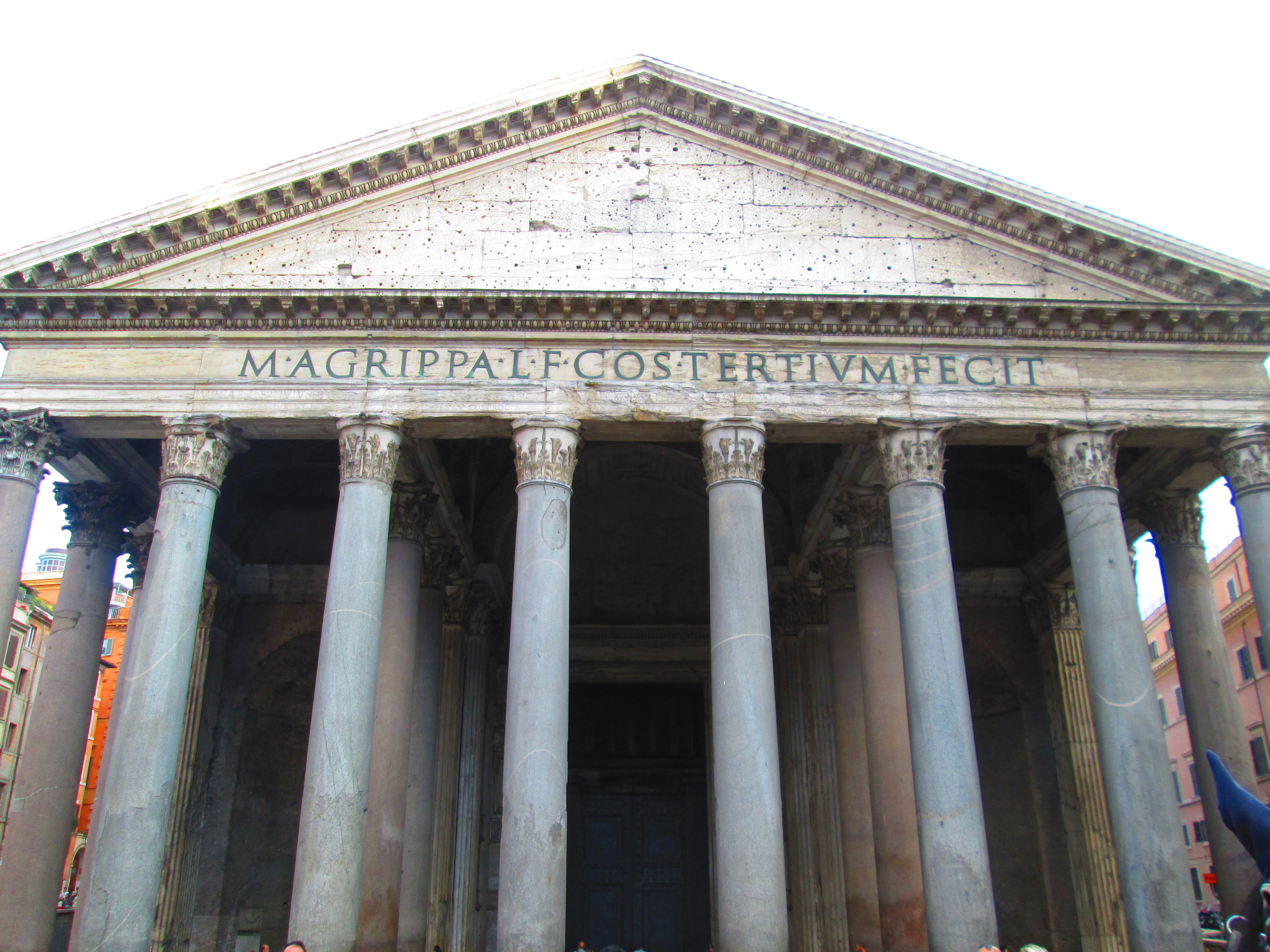
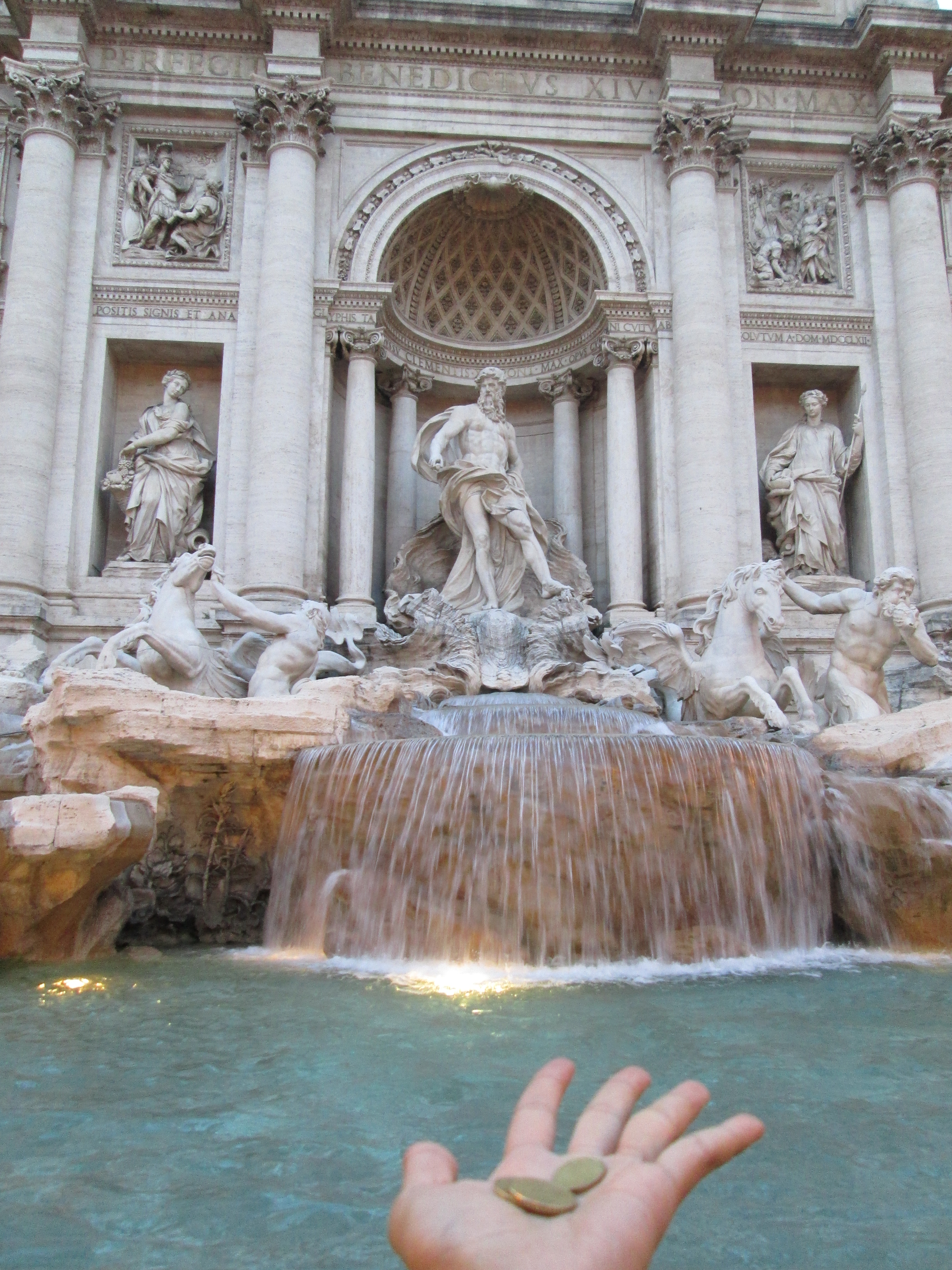
I could think of no better place to experience this, than to ponder the epic feats and legends of Ancient Rome whilst gazing at the Trevi Fountain at dusk with the sun retracting its golden rays. Fortunately (or unfortunately) I passed by the Pantheon during my stroll, I’m still not sure how this two-thousand year old structure missed my list of must-sees.

The circular building is composed of a portico supported by large granite Corinthian columns  beneath a pediment. This links to the rotunda which lays beneath a coffered concrete dome containing a occulus. To this day, this dome is still the world’s largest unreinforced concrete dome at a diameter and height of 43.3 meters (142 ft). It is from this building, that Paris’s pantheon derives its name.  The Pantheon contains the tombs of Raphael, Peruzzi, Carraci, Corelli, two kings of italy, and one queen. I will certainly have to remember to visit this beautifully preserved structure at a future date.

2013-06-02 12.46.16

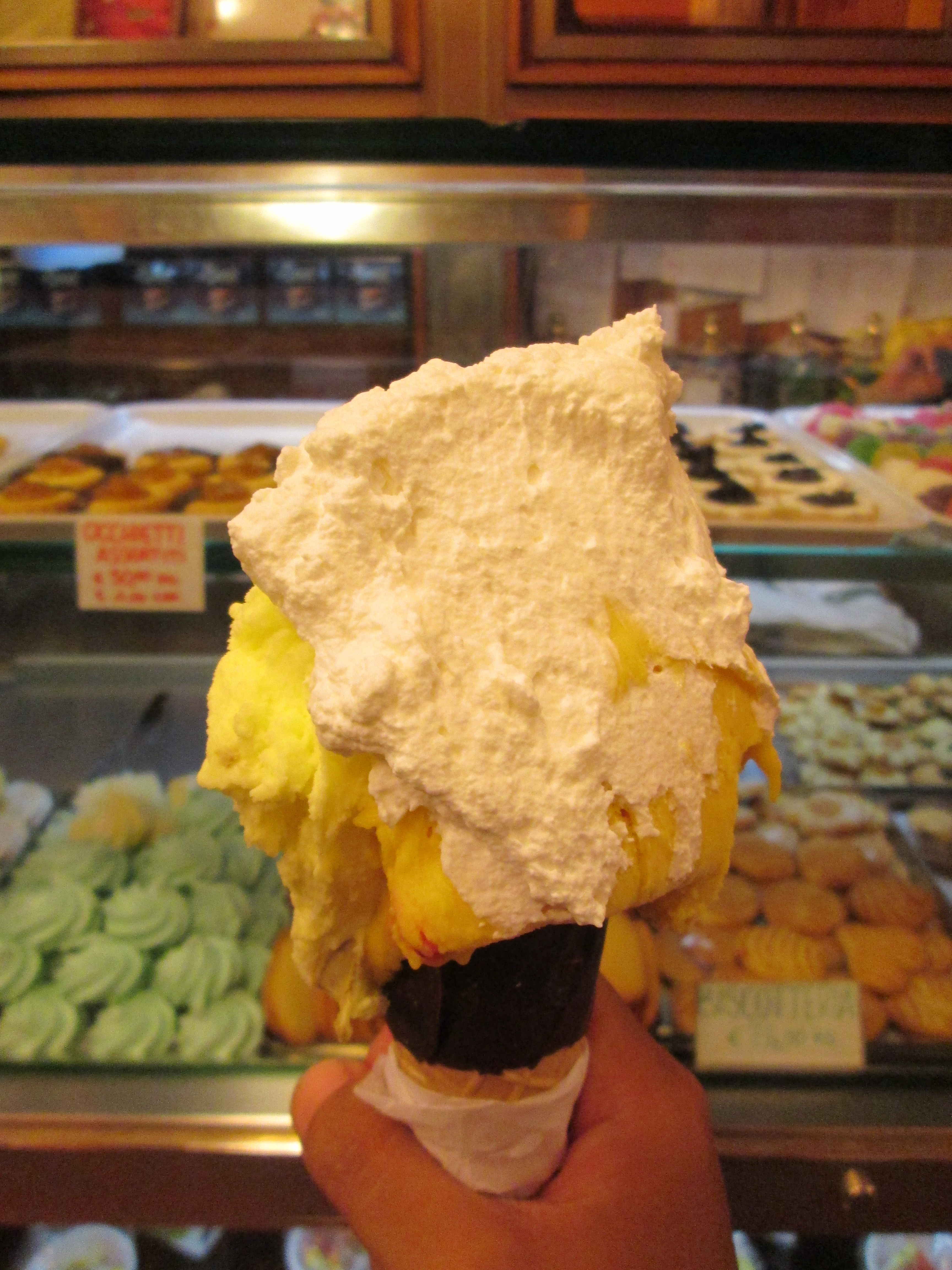
Nonetheless, I continued onwards to treat myself to some Gelato from the famous Giolitti‘s. As the oldest ice cream parlor in the city, it has been owned and run by the same family since its founding in 1890.


2013-06-02 12.56.13

Famous amongst tourists and locals alike, it maintains a diverse range of unique flavors, such as champagne, ricotta, and rice. Not aware of this, I opted for some more traditional choices.

I rounded off my night by tossing a Euro into the Trevi. The tradition is to use the right hand to throw a coin in over the left shoulder.


One coin means you’ll return to Rome, two mean you’ll return and fall in love, and three mean you’ll return, find love, and marry. I wish I had known about the superstition behind multiple coins, because my love life is seriously lacking . . .

2013-06-02 13.42.21


Travel: Barbarians or Heroics?

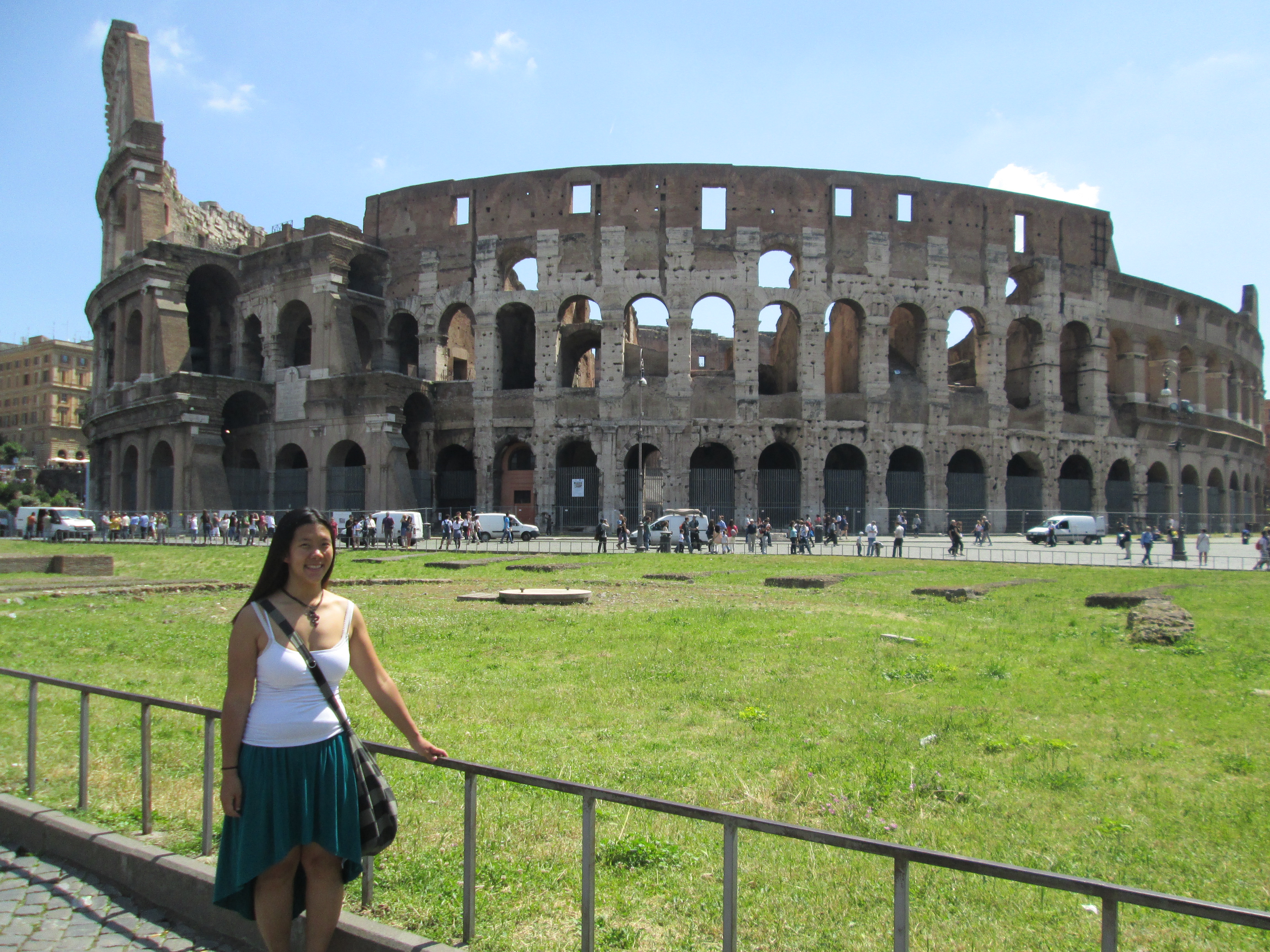
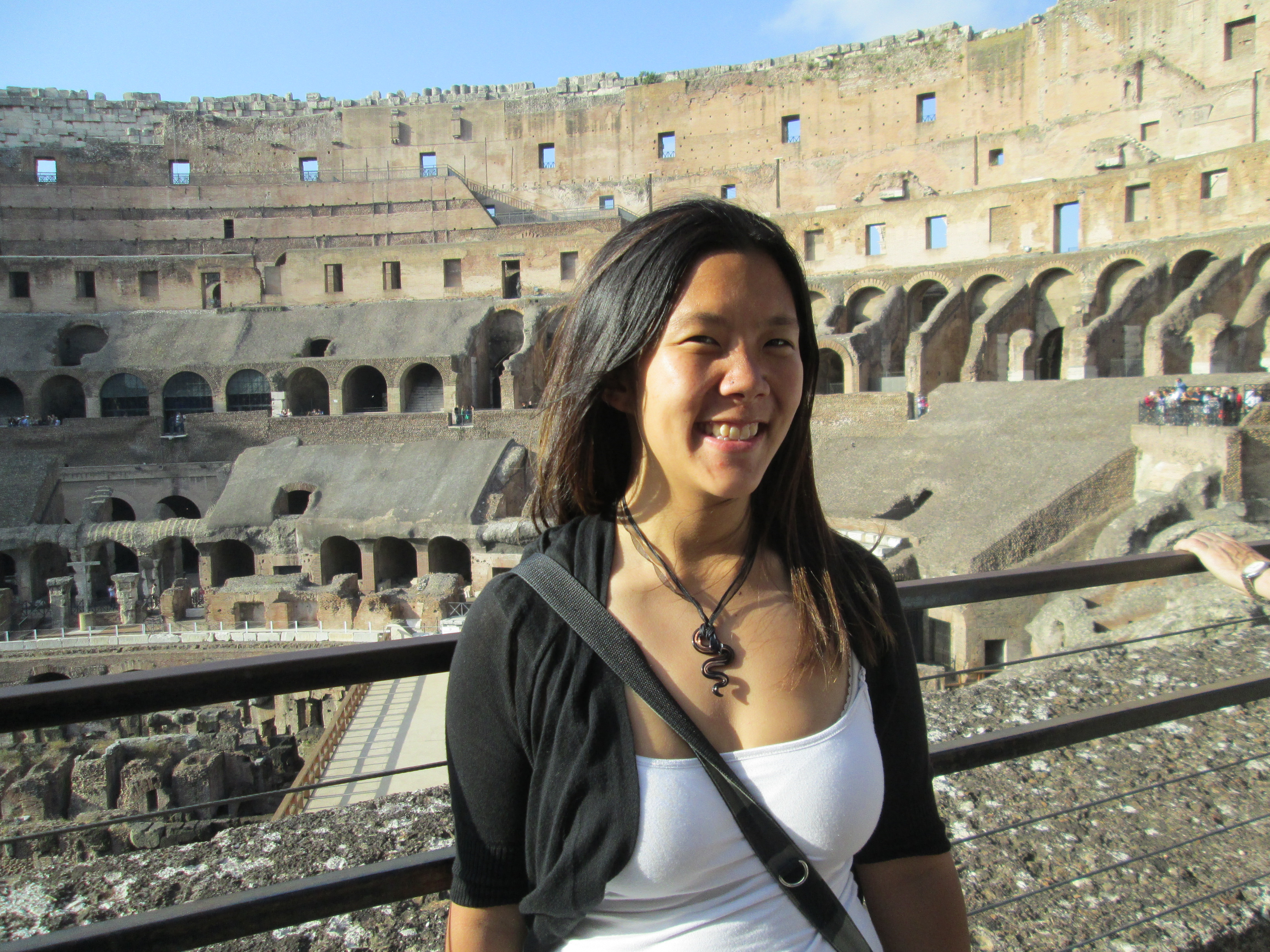
Although my muscles were silently crying tears, I made my way onwards toward the Colosseum that silently towers in the background. However, I first attempted to give my bones a reprieve by pausing in the shadows of these ancient roman giants and taking in their confident stances that have stayed steadfast despite the centuries.

2013-06-02 04.21.08

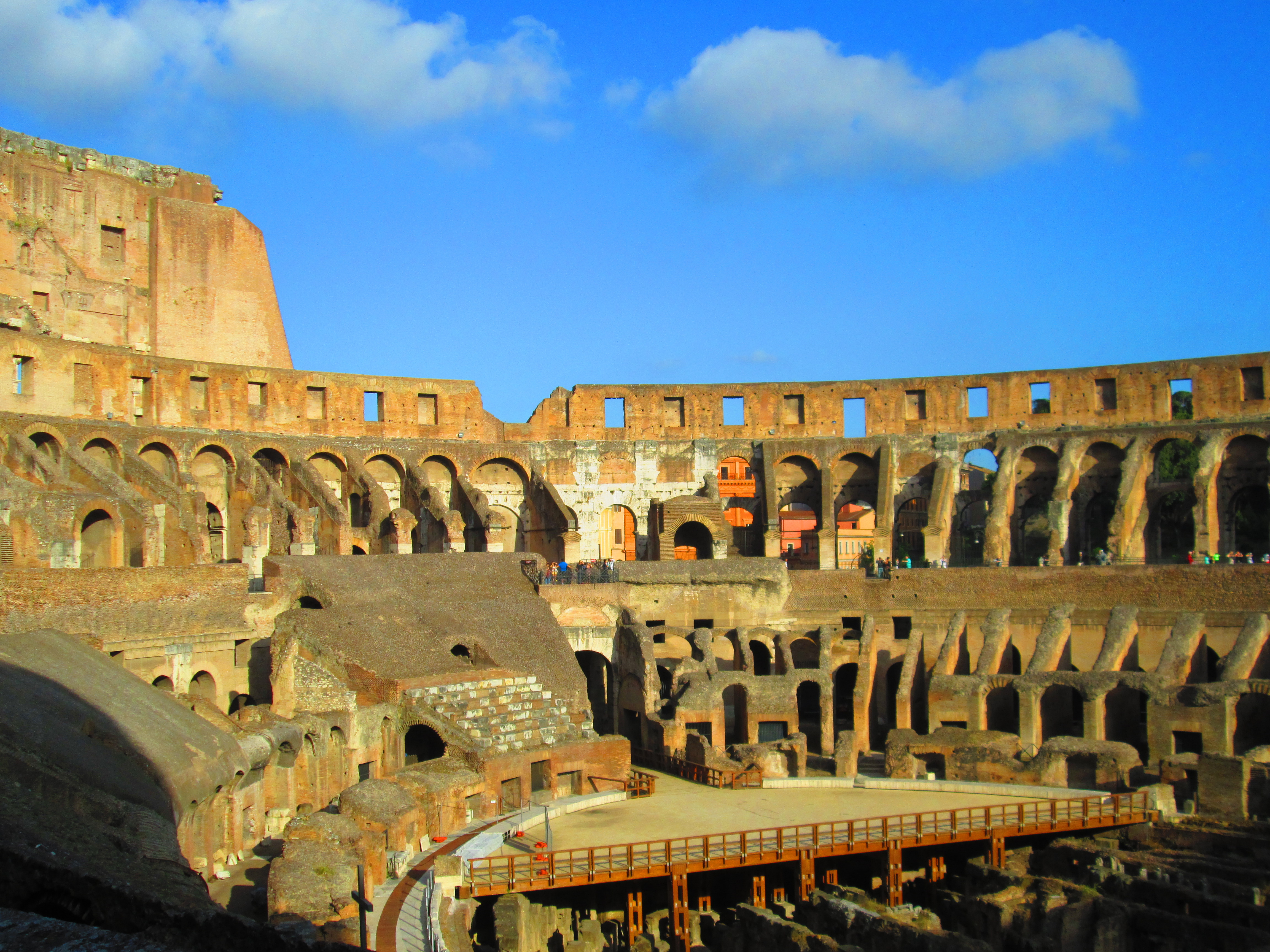
I know I’ve used this word far to often, but the first thought that comes to mind is ‘breathtaking.’ Its no wonder that it has consistently held its title as a ‘Wonder of the World.’ The structure is a monstrosity after all; built of concrete and stone, it has weathered the ages and remains the largest amphitheater ever constructed to date.

2013-06-02 11.29.01

The iconic name ‘Colosseum’ is believed to be derived from the nearby (although no longer in existence) colossal statue of Nero that was erected in bronze and towered at a height of 30m within the vestibule of Emperor Nero‘s imperial villa the Domus Aurea.

Considered a pinnacles of Roman Architecture and Engineering, it lies east of the Roman Forum and was erected during the Flavian dynasty under the reign trifecta of VespasianTitus, and Domitian.

2013-06-02 11.41.57

Shadows creep as the sun sets.

It held between 50-80 thousand spectators and was the site of gladiatorial contests and public spectacles for the entertainment of the public.

Events such as mock sea battles, animal hunts, reenactments of famous battles, classical mythological dramas, and even executions were regularly on display.

Unfortunately, it fell into disuse in the early medieval era, and was only reincarnated by necessity as  grounds for housing, workshops, religious quarters, a fortress, a quarry, and a Christian shrine. It even maintains close connections with the Roman Catholic Church, as each year, on Good Friday, the Pope leads a torchlit “Way of the Cross” procession originating from the Roman Ruins surrounding the Colosseum.

An epigram by the Venerable Bede often misattributed as a reference to the colosseum states the following:

 Quamdiu stat Colisæus, stat et Roma; quando cadet colisæus, cadet et Roma; quando cadet Roma, cadet et mundus 

“As long as the Colossus stands, so shall Rome; when the Colossus falls, Rome shall fall; when Rome falls, so falls the world”

Although the correct structure in question was the previously stated Statue Of Nero, one can’t help but consider the subtle symbology behind this statement.

The Roman’s were certainly an articulate and knowledgeable civilization that flourished for centuries despite systematic weaknesses. They knew how to effectively wield power across long distances, develop a unified army, distribute responsibilities amongst individual civil administrations, develop a system to control public finances, and maintain a class system. The empire didn’t fall in a sudden blaze of glory, but was whittled away at by circumstance, much as the Colosseum continues to lose it skeleton to greedy stone robbers.

I realize this is a de facto analogy, but it really causes one to ponder. What do you think?

Travel: In the Steps of Michaelangelo

English: Capitoline Hill, Rome. Image:Fratelli...

Before we could enter the Roman Ruins that day, my new friend and I stumbled upon the tail-end of a parade in celebration of some unknown national holiday. I’m still not clear on what it was, but I would have been thrilled if I had managed to catch sight of all the festivities. Unfortunately for us, we discovered that it delayed the opening of our attractions for the day. Rather than being open that morning, neither the Imperial Forum, nor the Colosseum were going to open until that afternoon. Instead, we took a long stroll around Capitoline Hill, one of the seven hills of Rome and the original Citadel of the first generation.

The Abduction of the Sabine Women, by Nicolas ...

It is at this site that the Sabines, were granted access by the Roman maiden Tarpeia. For her treachery, she was the first to be flung from a steep cliff overlooking the Roman Forum. Later named the Tarpeian Rock after the Vestal Virgin, it became a frequent execution site.

The first Sabines immigrated to Rome following the Rape of the Sabine Women.

You may recall an earlier post from the beginning of my trip when I went to visit the Fatima Sanctuary, the following brings to mind how individuals can be so devout to subject themselves to pain in the name of their faith. Legend says that  Julius Caesar approached the foot of the hill and Jupiter’s Temple on his knees in penance for his actions in the civil wars and to avert an unlucky omen of Jupiter’s wrath. He was moved to do so after he suffered an accident during one of his triumphs. Despite this, he was murdered six months later, and Brutus and his conspirators barricade themselves within the temple.

Excuse me, I’ve gotten a bit off track from my original topic., back to Michelangelo!

What I’ve come to love about Rome are the subtle nuances that pervade every cornerstone and recess of its ancient culture and architecture. A prime example of this is the Piazza del Campidoglio.

Michelangelo's design for Capitoline Hill, now...

In his prime, he was commissioned by the Farnese Pope Paul III to design a plaza. The Pope wanted a symbol of the new Rome to impress Charles V, who was expected in 1538. Having an opportunity to build such a monumental civic space, granted Michelangelo the opportunity to make a resonating statement reestablishing the grandeur of Rome.  His initial designs for the Piazza date from 1536 and were formidably extensive.

In an emblematic display, he chose to accentuate the reversal of the classic orientation of the Capitoline. Instead, the gesture turned Rome’s civic center away from the ancient Roman Forum  to face the direction of Papal Rome and the Christian church  represented by  St. Peter’s Basilica.

2013-06-02 05.01.33

His made a bold metaphorical statement:

“This full half circle turn can also be seen as Michelangelo’s desire to address the new, developing section of the city rather than the ancient ruins of the past.” ~In the wise words of Wikipedia

I have so much more I want to say about how Michelangelo used his ingenuity to address problems such as a sloped site and the lack of building facades facing each other squarely, however, I will leave that to your research. The structural engineer in me is trying her hardest not to bore you with devious architectural solutions.

Travel: Roman Ingenuity

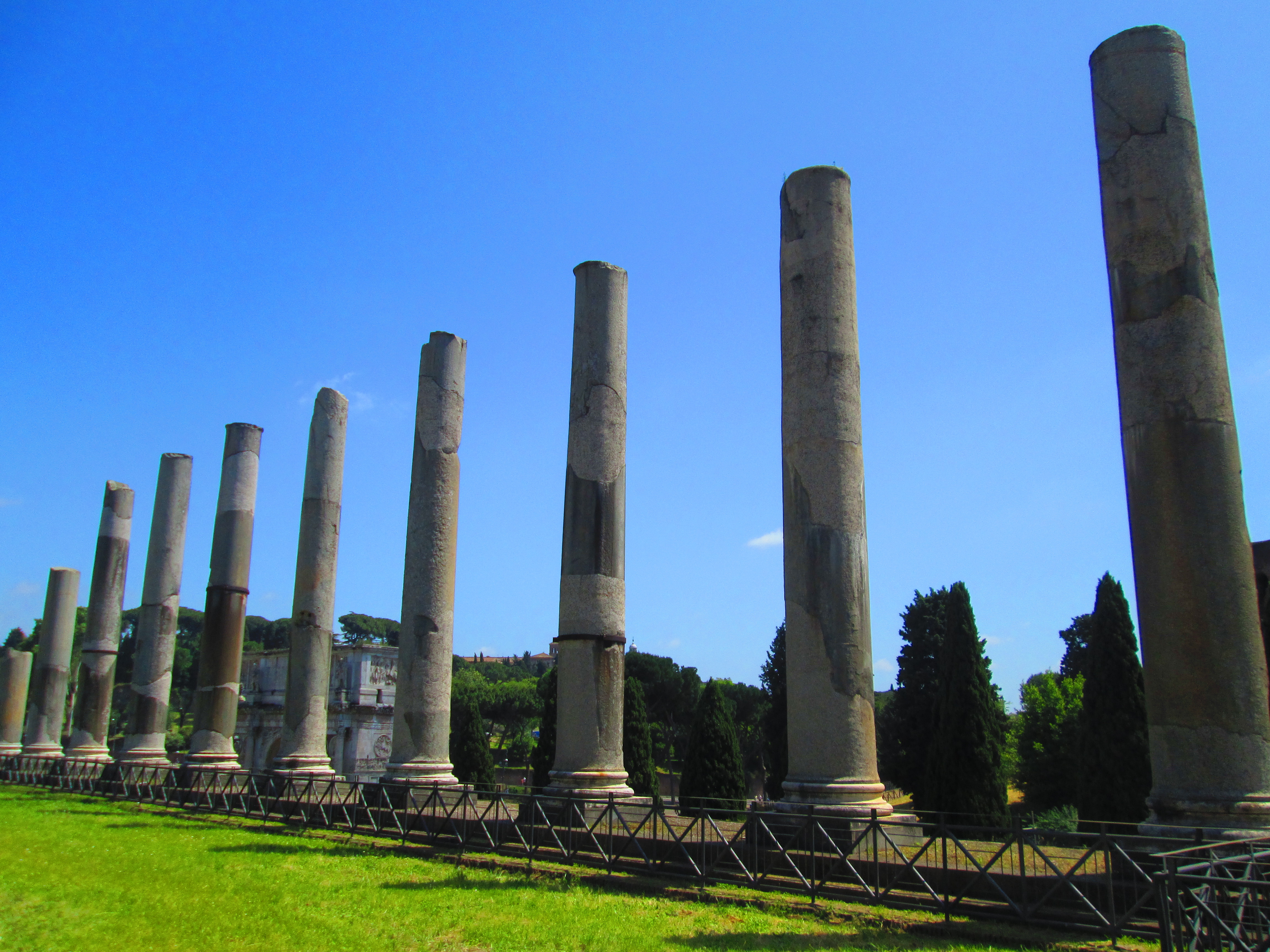
I suppose I could have visited these vestiges of Roman Power earlier on during my stay in Rome, but those days were fraught with cloudy skies and doubtful rain. The scenery and the nobility of these shrewdly crafted sprawling complexes is best observed by admiring their height against the deep, blue sky, and pondering the shadows they leave behind. Still standing 2 Millenia later, the longevity of these structures are a testament to the Roman Empire‘s influence and power.

2013-06-02 04.41.44

The word awe-inspiring has certainly been used by me more times on this trip than I can count. In this case, I feel that it is well deserved, although my tender feet may not acknowledge this compliment since the square area that was traipsed across tested their limits.

As you can imagine, the lines to get into these archaeological ruins tend to be lengthy, I ventured there with a girl who was staying at the same hostel as me, unfortunately, it is at the lines that we split up. I had invested in the Roma Card, a visitor pass that allowed me to bypass the lines, and I was simply not eager to bide my time with her.

My first stop was the Roman Forum.

2013-06-02 07.44.23

This complex was located in the center of the city and houses the important government buildings of this ancient civilization. It was the main social environment for its citizens, a square for public speeches, criminal trials, triumphal processions and elections. The venue was used for gladiatorial matches and was the nucleus for the commercial affairs of the city.

2013-06-02 05.49.08

I literally lost more than half my day here! There are so many towering structures and secret little niches that are delicately foiled in bright green moss. It’s definitely not an area that you can rush through, because smelling the air, and envisioning the daily lives of Roman Citizens is a must.  Believe me, my feet were absolutely KILLING me by the end of it, but I just couldn’t bring myself to rush through the subtle nuances of heritage that are exuded with each step. (I think that is a grammatically correct sentence…)

Previous Older Entries Next Newer Entries